

Watercolor — An Art of Transparency and Light
↓ Share this articleWatercolor: an artistic technique characterized by light, precision, and emotion
Watercolor holds a unique place in art history. Long regarded as a medium for studies, travel sketches, or illustrations, it is now recognized as a major artistic technique capable of great expressive power. Through the transparency of its layers, the fluidity of water, and the emphasis placed on the paper’s light, watercolor painting produces effects that are impossible to reproduce exactly in other mediums. Delicate, subtle, and demanding,watercolor appeals to artists and collectors alike.
A rich history: from Dürer to Turner, and on to sketchbook artists
The history ofwatercolor painting goes back a long way, although it really began to flourish as an independent art form during the Renaissance. Among the first great masters to elevate it to a true art form was Albrecht Dürer. At the turn of the 15th and 16th centuries, the German artist produced studies of remarkable precision, particularly of plants, animals, and landscapes. His works already reveal what would come to define the uniqueness of watercolor painting: a delicate touch, an inner luminosity, and an ability to capture life with apparent lightness.
Later, in the 18th and 19th centuries, England became a haven forwatercolor painting. British artists developed a distinct school of watercolor, driven by a passion for landscape, travel, and atmospheric observation. It is within this context that Joseph Mallord William Turner occupies a central place. Turner pushed the technique toward effects of light, mist, vibration, and the dissolution of forms that, in many ways, foreshadowed modernity. In his work,watercolor is no longer merely descriptive: it becomes sensation, atmosphere, almost pure visual energy.
In the 19th century, watercolor painting also accompanied the rise of travel, expeditions, and field sketchbooks. This tradition continues today among sketchbook artists—those who draw and paint from life in sketchbooks. The travel sketchbook has greatly contributed to the popular revival of watercolor painting. Easy to carry, relatively quick to execute, and perfectly suited for capturing a scene on the spot,watercolor has become the go-to medium for nomadic artists, urban sketchers, and anyone who wants to capture a light, a landscape, or an atmosphere in just a few strokes.
The principles of the technique: transparency, wash, and control of water
The unique nature ofwatercolor painting rests on a principle that appears simple: very finely ground pigments, bound by a water-soluble medium, are applied to paper. But behind this simplicity lies a great deal of technical complexity. In this artistic technique, light does not come from thick paint or the addition of white, as in other mediums: it comes from the paper itself, left visible through the transparent layers of color.
Transparency is therefore at the heart of watercolor painting. Pigments are applied in layers of varying degrees of dilution, and the layering must be carefully planned. A light tone does not easily cover a dark one; in watercolor, artists often work from light to dark. This means planning for the light areas from the very beginning.
Wash is one of the fundamental techniques inwatercolor painting. It involves applying a layer of diluted color, either evenly or with subtle variations, over a surface of varying size. A wash can be uniform, gradient, or varied. It is used to create backgrounds, skies, and atmospheres, or to unify a composition. When mastered, it gives watercolor paintings their characteristic fluidity and softness.
The wet-on-wet technique involves applying color to paper that has already been moistened, or to an area that is still wet. The pigments then spread freely, creating soft edges, color blends, and unpredictable effects. This method is particularly popular for rendering clouds, distant landscapes, soft shadows, vegetation, or reflections. However, it requires a thorough understanding of how water behaves and drying times.
Conversely, painting on dry paper allows for sharper lines, precise details, and better-controlled contrasts. A large part of the art ofwatercolor painting lies precisely in alternating between these two approaches: letting the water do its work, then taking control again with precision.
Reserves are another essential aspect. To reserve means to preserve the white areas of the paper in order to create areas of light. This reserve can be created by hand, with great precision using a brush, or protected using a masking fluid. In this artistic technique, white is not merely a color: it is an absence of material, a preserved light. This is why the mental preparation of the image is so important even before the first stroke is made.
Why is watercolor considered one of the most difficult techniques?
Watercolor painting has a reputation for being difficult, and this reputation is well-deserved. Unlike other mediums that allow you to correct, cover, or rework a surface at length, watercolor painting offers little room for error. Every stroke leaves a mark, and excessive touch-ups risk dulling the colors, damaging the paper, or creating a heavy, ponderous look that runs counter to the desired freshness.
The first challenge lies in managing the water. Too much water, and the color runs uncontrollably; too little, and it loses its transparency or creates abrupt marks. The artist must constantly assess the paper’s moisture level, the amount of paint on the brush, the quantity of pigment, and the exact moment to intervene. This relationship with time is essential: a few seconds can radically transform the result.
The second challenge lies in planning ahead. Since light tones are preserved from the very beginning, the watercolorist must plan the composition in advance. They must visualize the values, organize the dry areas, anticipate layering, and sometimes accept a degree of uncertainty. This balance between control and letting go is what makeswatercolor so beautiful, but also so challenging.
Finally, the technique demands great precision. A good wash, a controlled blend, a clean dry area, or luminous transparency all require confident brushwork and a keen sensitivity to the materials. Many artists therefore considerwatercolor to be a lesson in humility: it forces one to observe, to simplify, to take a breath, and to accept that water is an integral part of the work.
Watercolor in Contemporary Art: A Clear Revival
Far from being a thing of the past,watercolor painting is currently experiencing a true renaissance. In contemporary art, it appeals to many artists because of its flexibility, speed of execution, experimental nature, and ability to blend drawing, color, and spontaneity. It is no longer confined to delicate landscapes or travel sketches: it has expanded into portraiture, abstraction, contemporary illustration, large-scale works, and even conceptual approaches.
This renewed interest can also be attributed to a shift in perspective. What was once viewed as a minor or fragile technique is now appreciated for its unique qualities: transparency, fluidity, ambiguous contours, and the vitality of the brushstroke. Many contemporary artists use watercolor painting to explore current themes—whether personal or political—with an apparent lightness that sometimes contrasts with the power of the subject.
Among the contemporary artists who have helped restore thewatercolor’s prominence are painters—working in very different styles—who focus on the figure, the urban landscape, mental architectures, or abstract forms. The current scene is very open: some continue the tradition of sketchbooks and observation, while others reinterpret the artistic technique to achieve monumental or highly gestural effects. Artist networks, festivals, specialized fairs, and communities of sketchbook artists play a major role in this vitality.
In this context, venues dedicated to exhibiting and providing expert guidance play an important role in helping people discover the richness of this art form. The L’Adresse des Maîtres® Art Gallery in Dreux is part of this growing interest in works on paper and in delicate techniques that require a discerning eye.
Conservation: a fragile work that requires special care
Like many works on paper,watercolors are particularly sensitive to light. Depending on their nature and durability, pigments can deteriorate over time when exposed to excessive UV rays or overly bright lighting. The paper itself can yellow, become brittle, or warp if stored under unsuitable conditions.
For this reason, a watercolor painting should ideally be framed under glass using high-quality conservation materials. We recommend mounting it with a mat to prevent the artwork from coming into direct contact with the glass. UV-filtering glass provides excellent additional protection. It is also best to avoid exposure to direct sunlight, as well as rooms that are too humid or subject to significant temperature fluctuations.
Unframed watercolors should be stored flat, in acid-free cardboard boxes or folders. Care must be taken when handling them, particularly to avoid fingerprints, creases, or surface abrasions. The fragility of this artistic medium in no way diminishes its value; it simply requires special care.
Collecting Watercolors: Precautions, Authenticity, and Value
Collecting watercolors means forming an intimate connection with the artwork. With its delicate presence, often intimate scale, paper medium, and subtle effects, it creates a special bond between the artist and the viewer. However, purchasing a watercolor painting requires some precautions.
First, examine the condition of the artwork: check for excessive discoloration, foxing, water stains, tears, visible repairs, or severe warping. Pay close attention to the framing, as improper mounting can damage the artwork over time.
Authenticity and provenance are also important. As with any work of art, the presence of a signature, a certificate, an invoice, or reliable documentation enhances the security of the purchase. Galleries, experts, and reputable professionals play a vital role in guiding collectors in this regard.
As for value, it depends on many factors: the artist’s reputation, rarity, quality of execution, condition, provenance, subject matter, period, and dimensions. Some watercolors by renowned artists fetch very high prices, especially when they are significant works within the artist’s body of work. Others remain affordable and allow collectors to start a collection with sensitivity and discernment.
It often makes sense to buy a watercolor painting because it truly moves you, rather than purely for speculative reasons. This artistic technique produces works of great poetic beauty, in which every nuance of water and pigment bears the immediate imprint of the artist’s touch.
Conclusion: The Subtle Power of Watercolor
Watercolor is an art of apparent restraint and profound mastery. From Dürer to Turner, from travel sketches to contemporary works, it has continually reinvented itself. Its transparency, washes, dry areas, and blending create a unique language that is both spontaneous and demanding. If watercolor painting is often considered one of the most difficult techniques, it is precisely because it does not cut corners: it immediately reveals the accuracy of the eye, the quality of the brushstroke, and an understanding of water.
Delicate yet precious, it deserves proper storage conditions and special care from both art lovers and collectors. In today’s art world,watercolor painting is proving its relevance more than ever. It remains an exceptionally rich artistic medium, capable of combining intimacy, light, and emotion with rare intensity.
Check out our gallery
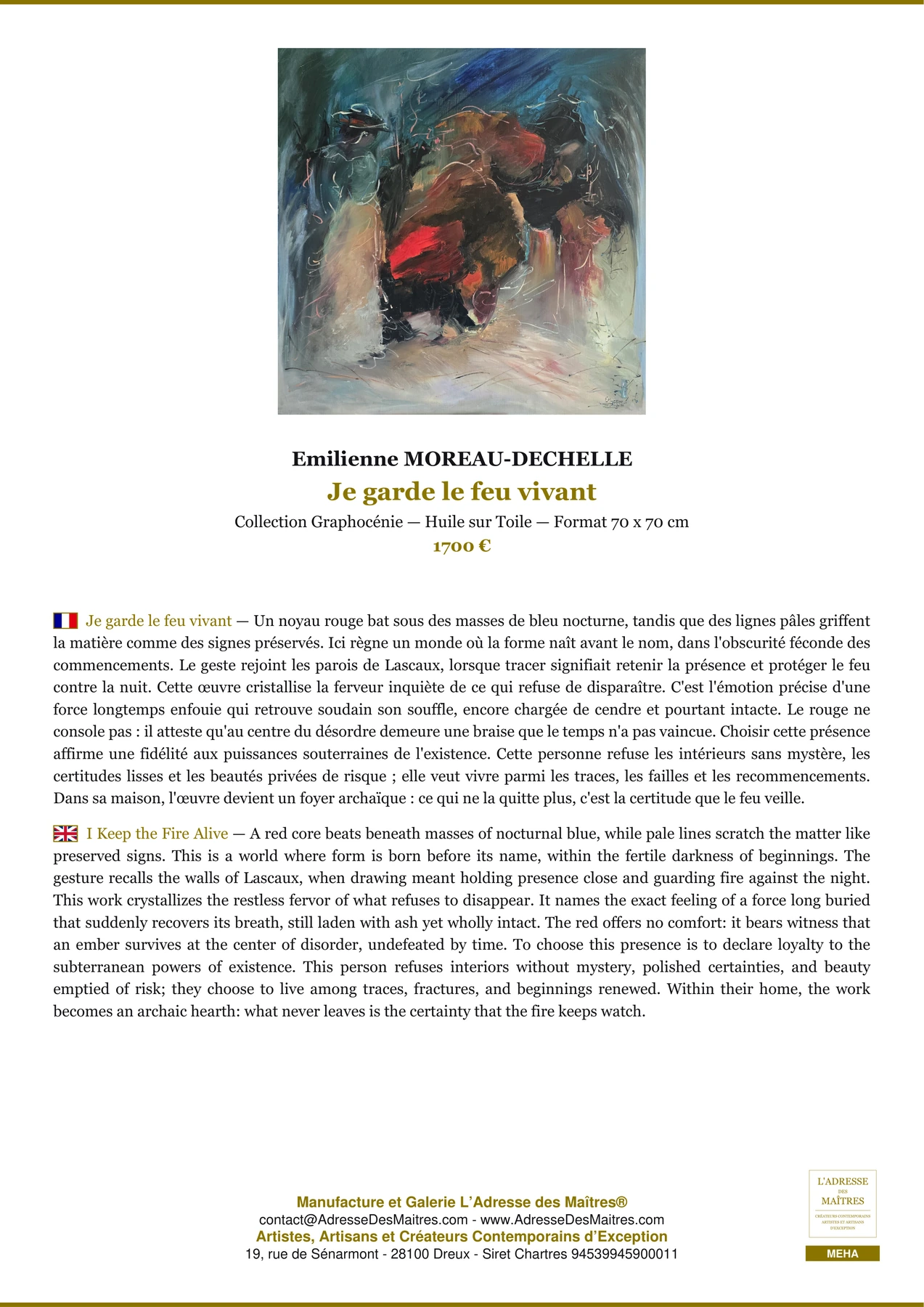
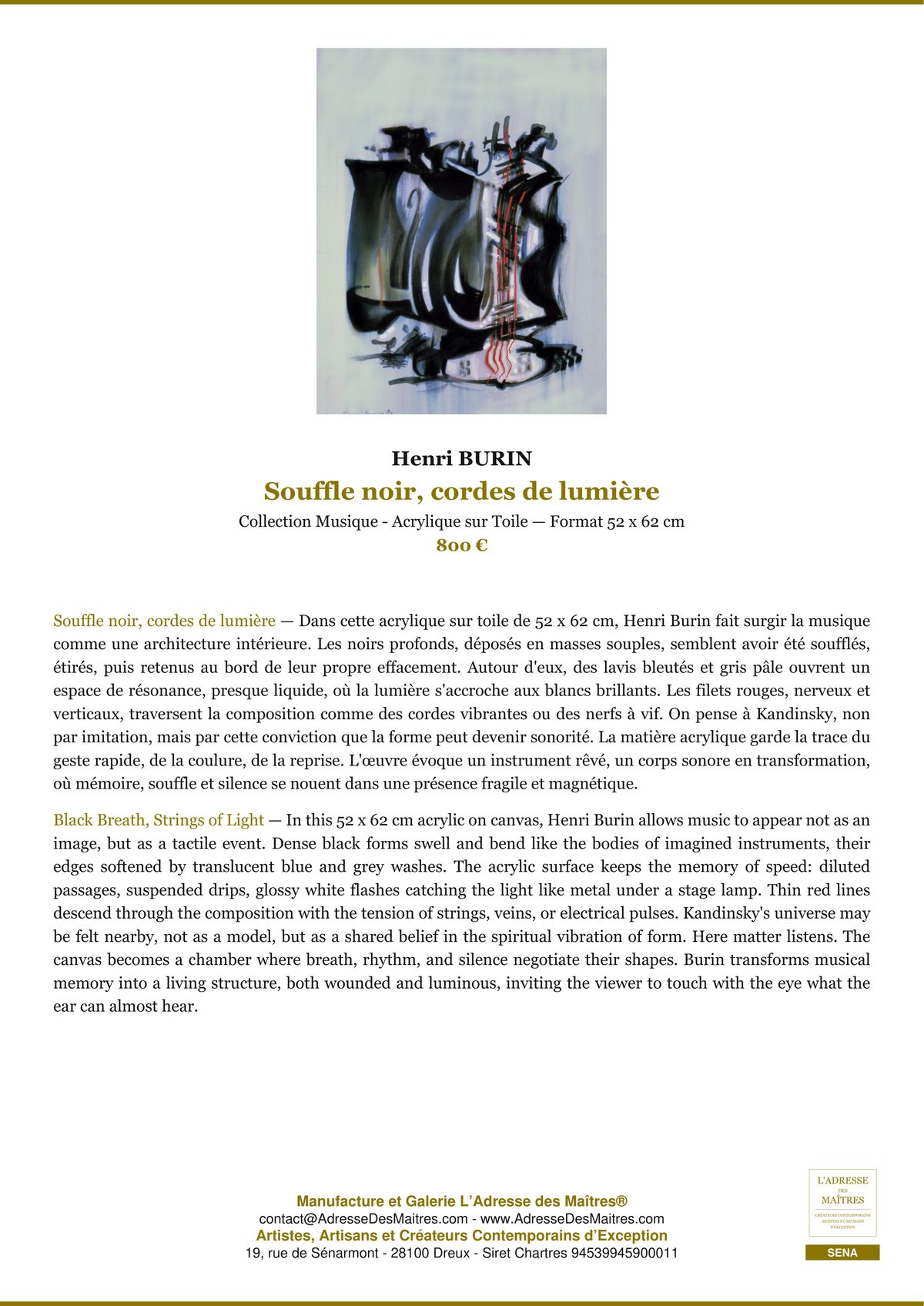
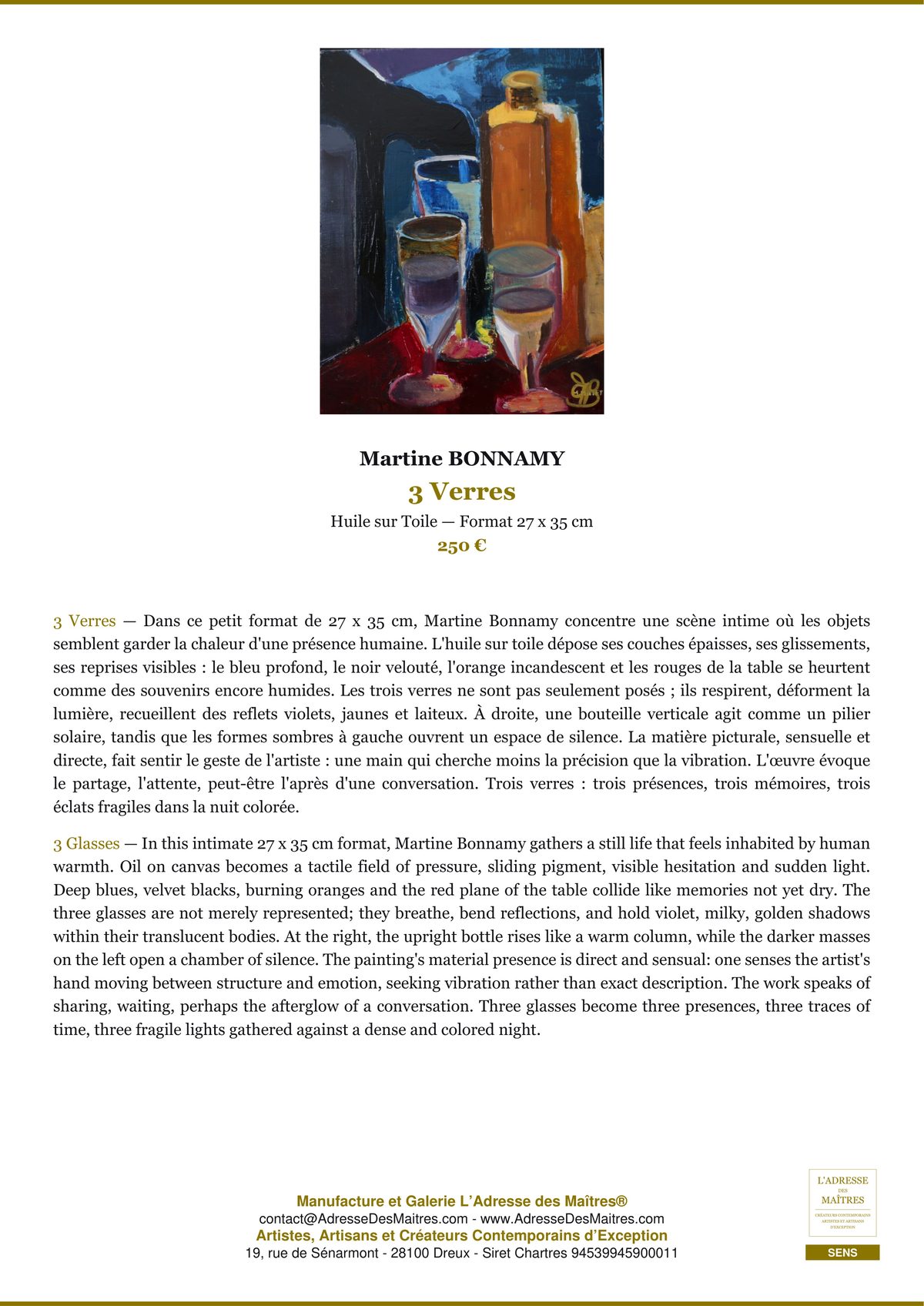
Would you like to experience these artistic movements in person? Visit the online gallery of L’Adresse des Maîtres®—more than 606 original works by contemporary artists.

Leave a comment