

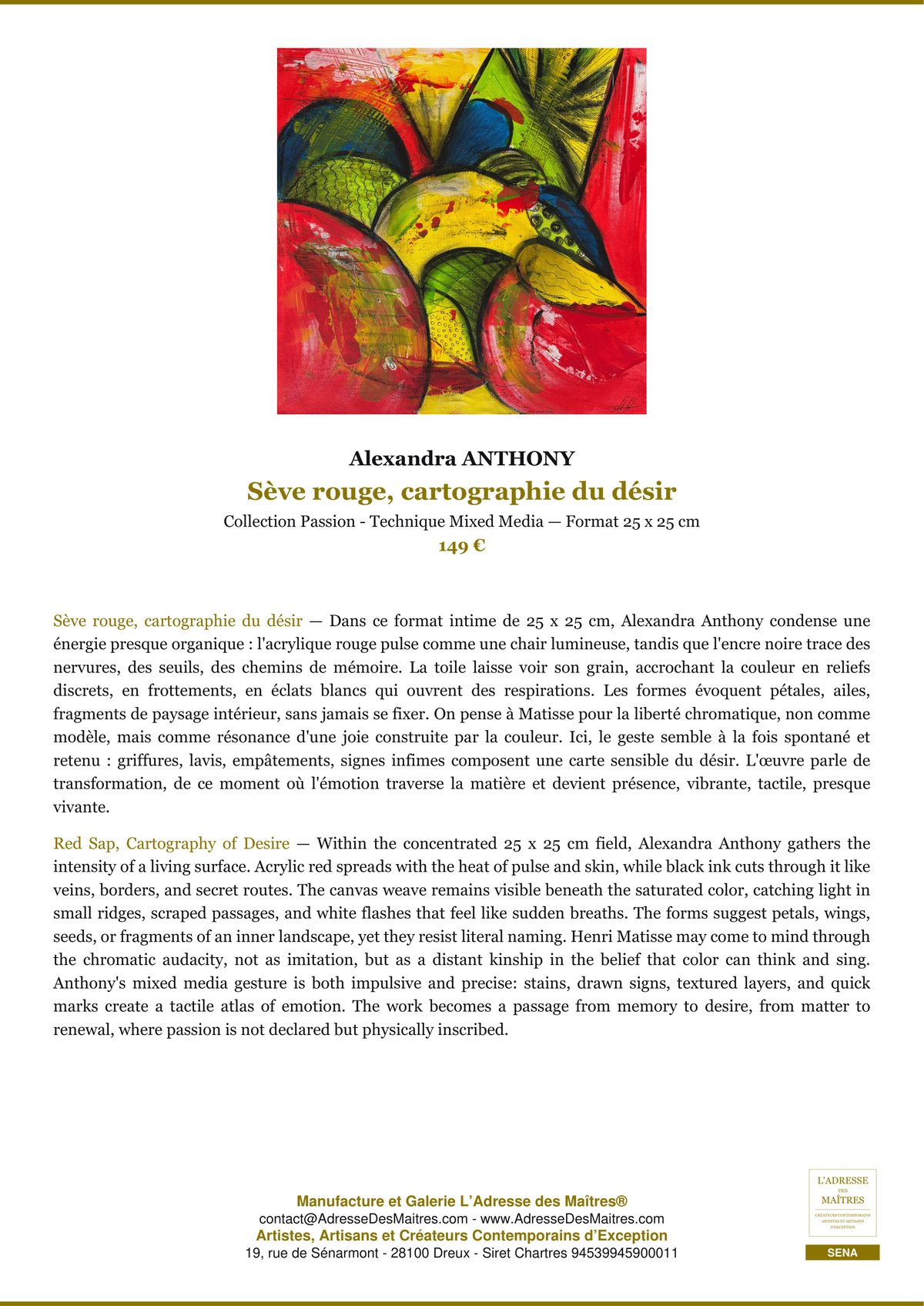
Oil Paintings or Acrylic Paintings — What’s the Difference for Collectors?
↓ Share this articleOil painting and acrylic painting: a comparison of two major artistic techniques
In the world of artistic techniques, oil painting and acrylic painting play a central role. Both allow artists to create rich, expressive, and durable works, but they are based on very different principles. For an artist, the choice between these two mediums influences the creative process, the time required, the final result, and even the preservation of the artwork. For an art lover or collector, understanding these differences helps to better appreciate a painting, care for it properly, and assess its market potential.
This article offers a clear comparison between oil and acrylic paints, exploring their history, technical characteristics, advantages, and limitations, as well as their impact on conservation and market value. This analysis is particularly useful in the context of a specialized gallery such as the Galerie d’Art L’Adresse des Maîtres® in Dreux, where an understanding of these mediums enriches the collecting experience.
The History of Oil Painting: An Ancient and Prestigious Legacy
Oil painting is often associated with the great masters of European painting. Although primitive forms of oil binders existed before the Renaissance, it was in the 15th century that this technique truly flourished, particularly with Jan van Eyck. This Flemish painter did not invent oil painting per se, but he contributed significantly to perfecting its use by exploiting its qualities of transparency, depth, and precision.
Thanks to oil paint, artists were able to apply subtle glazes, achieve softer gradations, and render details with unprecedented finesse. For centuries, this technique established itself as the preeminent medium. From Leonardo da Vinci to Rembrandt, from Titian to Delacroix, it has accompanied the most significant developments in the history of art.
Its success stems not only from its aesthetic qualities but also from its flexibility. Oil painting allows for a slow, deliberate process, extended touch-ups, and a variety of textural effects. Even today, it remains highly prized by artists seeking depth, tradition, and pictorial complexity.
The History of Acrylic Painting: A Modern Revolution Since the 1950s
Acrylic paint is a much more recent development. It really began to take off in the 1950s, amid a wave of industrial and artistic innovation. Made from pigments mixed with a water-emulsion acrylic resin, it offers a modern alternative to traditional painting mediums.
Its emergence coincided with the rise of new trends in contemporary art. Artists associated with abstraction, Pop Art, or large-scale works quickly recognized it as a medium suited to their needs. Acrylic dries quickly, adheres to a wide range of surfaces, and allows for crisp flat areas, bold colors, and mixed media techniques. It was notably adopted by artists such as Mark Rothko, David Hockney, Helen Frankenthaler, and Andy Warhol.
In just a few decades, acrylic paint has become a staple in studios, art schools, and galleries. It appeals to both beginners and professionals alike thanks to its ease of use and great versatility.
Drying time: a key difference between oil paint and acrylic paint
One of the most significant differences between oil paint and acrylic paint is drying time. Oil paint dries slowly—sometimes taking several days for the surface to dry, and several weeks or even months to fully cure. This is due to the gradual oxidation of the oil.
For the artist, this slow pace offers a significant advantage: it allows for extensive reworking of the surface, blending of colors, and fine-tuning of details over a long period of time. On the other hand, it requires patience, good studio organization, and adherence to technical rules such as the well-known “fat over lean” principle.
Acrylic paint, on the other hand, dries very quickly, often within a few minutes to a few hours depending on the thickness of the layer. This speed makes it easier to build up layers, speeds up production, and reduces the risk of dust or accidental contact with a surface that is still wet. But it also limits the possibilities for slow blending and extended touch-ups. The artist must work faster or use retarding mediums.
Color rendering, texture, and transparency
Visually, the two mediums produce distinct results. Oil paint is renowned for the depth of its colors. It often yields a richer, smoother, and more nuanced finish. Glazes allow artists to achieve a highly sought-after inner luminosity, particularly in classical and figurative painting. The transitions between hues are generally smoother.
Acrylic paint often features very vivid, bold, and stable colors. As it dries, however, it may darken slightly or lose some of its saturation, depending on the pigments and brand. Its finish is often more direct, matte, or uniform, although mediums can be used to alter the final appearance to a satin or glossy finish.
In terms of texture, the oil is particularly well-suited for impasto, textured effects, and visible brushstrokes. It retains a flexibility that facilitates modeling. Acrylic also allows for textural work, especially when used with gels or texturing pastes, but it tends to set more quickly.
When it comes to transparency, oil paint has a superior reputation thanks to the quality of its glazes. Acrylic paint can be transparent or opaque depending on how it is diluted and the mediums used, but its finish is often perceived as less deep than that of oil paint, particularly in thin layers.
Pros and cons for the artist
For the artist, oil painting offers unparalleled flexibility in shaping the image. It is ideal for blending, portraits, atmospheric effects, and works that require multiple layers of touch-ups. It also carries a strong symbolic significance: using oil paint means becoming part of a long artistic tradition.
However, it does have its drawbacks. It requires more time, often specific solvents or mediums, strong technical skills, and suitable working conditions. Some of the products used may have a strong odor or pose health risks if the studio is poorly ventilated.
Acrylic paint, on the other hand, offers many practical advantages. It is water-soluble, dries quickly, is easy to clean up, and can be used on a wide variety of surfaces. It is ideal for artists who work in quick layers, on large canvases, or in contemporary and mixed-media styles.
Its main drawback is precisely how quickly it dries, which can be frustrating for those who like to spend a long time working on the paint. Some painters also find its finish “drier” or less subtle than that of oil paint, although this assessment depends largely on the desired style.
Preservation and Sustainability of Artworks
The issue of conservation is crucial for both artists and collectors. A well-executed oil painting can last for centuries, as evidenced by the masterpieces preserved in museums. However, this medium is susceptible to several issues: yellowing of the varnish, cracking, soiling, tension in the support, or improper layering.
The longevity of an oil painting therefore depends largely on the quality of the execution, the materials chosen, and the storage conditions. A poorly executed work may deteriorate prematurely, while a work executed with care can remain stable for a very long time.
Acrylic paint is generally considered stable, flexible, and durable, mainly because it does not yellow like certain oils or old varnishes. It withstands moderate climate fluctuations well and adheres firmly to the surface. However, its relatively short history means that we have less historical data spanning several centuries.
In addition, acrylic surfaces may be more susceptible to dust, scratches, or certain types of dirt buildup. Once damaged, restoration can sometimes be more complex than with oil paintings, depending on the nature of the paint film.
How do you care for an oil painting or an acrylic painting?
For a collector, care varies depending on the medium. An oil painting must be protected from sudden changes in temperature and humidity, direct sunlight, and smoky or dusty environments. It is recommended that you never clean a painted surface yourself using water, household cleaners, or a damp cloth. If the painting becomes soiled, it is best to consult a professional restorer.
If the artwork is varnished, the varnish serves a protective purpose, but it can also deteriorate over time and require specialized treatment. The painting must also be handled with care, avoiding any impact that could weaken the paint layer.
When it comes to acrylic paint, caution is just as important. Although the acrylic film is durable, it can sometimes attract dust due to static electricity and may show marks when pressure is applied. Again, DIY cleaning is not recommended. Avoid excessively humid rooms, high temperatures, and direct sunlight, as these can cause certain colors to fade over time.
In both cases, a stable display location—away from radiators, kitchens, or bathrooms—is a good rule of thumb. A reputable gallery, such as the Galerie d’Art L’Adresse des Maîtres® in Dreux, can also advise collectors on best practices for preserving their art based on the medium of the acquired work.
What impact will this have on market value?
The issue of market value is a complex one. Historically, oil painting has enjoyed a longer-standing prestige in the art market. It is often associated with tradition, technical mastery, and a place in museum collections. In the collective imagination, an oil painting can therefore evoke a sense of nobility and greater value.
That said, technique alone never determines the price of a work. The artist’s reputation, the quality of the work, its provenance, condition, dimensions, rarity, and market demand play a far more decisive role. An acrylic painting signed by a renowned artist can fetch very high prices, particularly in the contemporary art market.
In practice, oil paint often retains a symbolic advantage in certain market segments, particularly among enthusiasts of classical, figurative, or master-inspired painting. Acrylic, on the other hand, is fully in tune with contemporary trends and can appeal to collectors who appreciate innovation, vibrant colors, and large formats.
For a buyer, it is therefore more important to assess the overall coherence of the work than to automatically prioritize techniques. When purchasing from a gallery, professional guidance helps to situate the medium within a broader context of artistic quality and heritage potential.
Choosing between oil paint and acrylic paint
Comparing oil paint and acrylic paint means understanding two different approaches to art. Oil paint offers a slow process, depth, tradition, and subtlety. Acrylic paint offers speed, versatility, modernity, and efficiency. Neither is inherently superior to the other; it all depends on the artistic project, the painter’s sensibility, and the collector’s expectations.
In the field of artistic techniques, these two mediums continue to coexist and enrich the contemporary art scene. For both artists and art lovers, understanding their differences allows for a deeper appreciation of the works, better preservation, and more informed decisions regarding both aesthetics and heritage.
Whether it’s a classic oil painting or a contemporary acrylic composition, what truly matters is the power of artistic expression. And it is precisely this discerning eye—a blend of sensitivity and expertise—that specialized venues like the Galerie d’Art L’Adresse des Maîtres® in Dreux value.
Check out our gallery
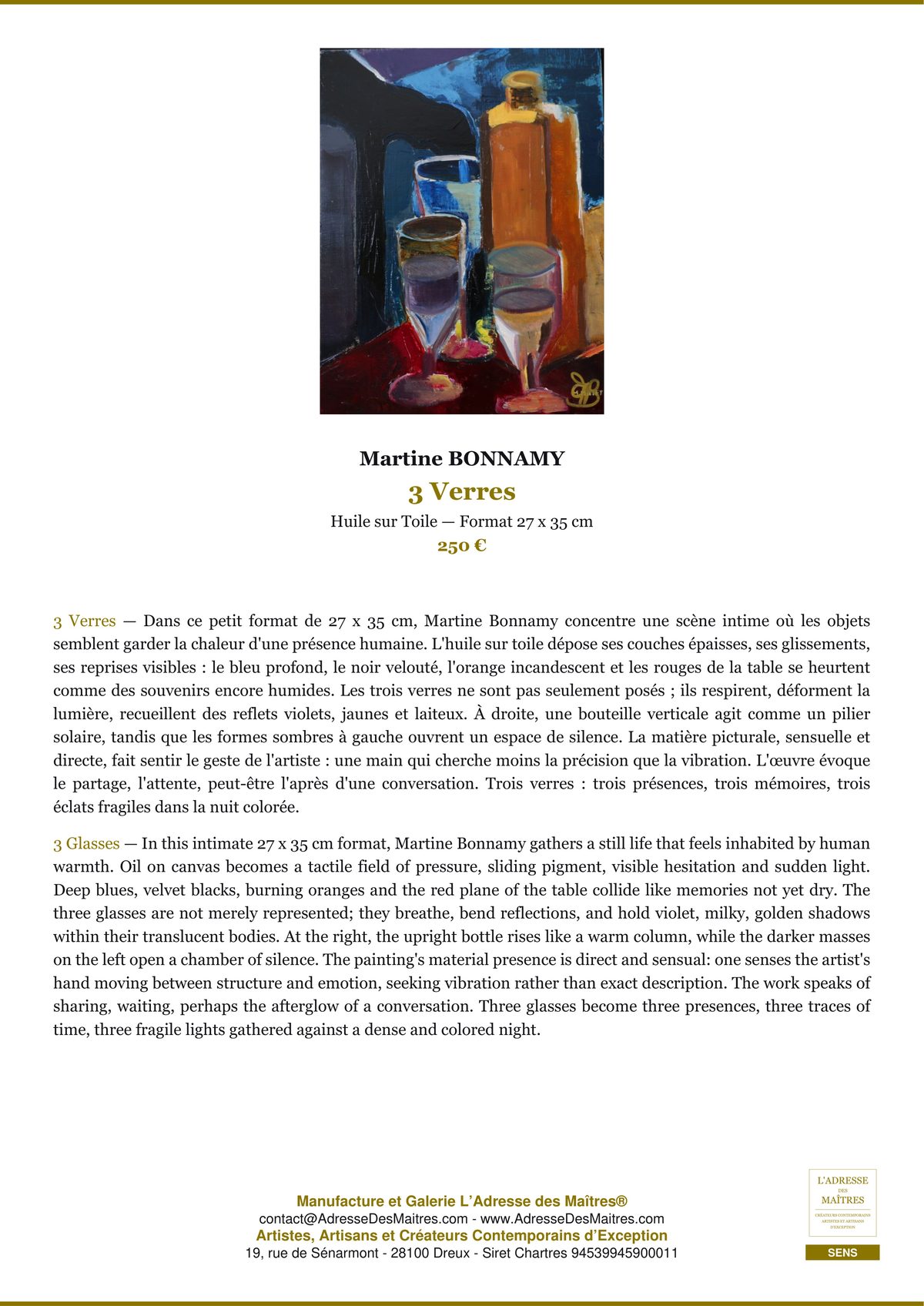
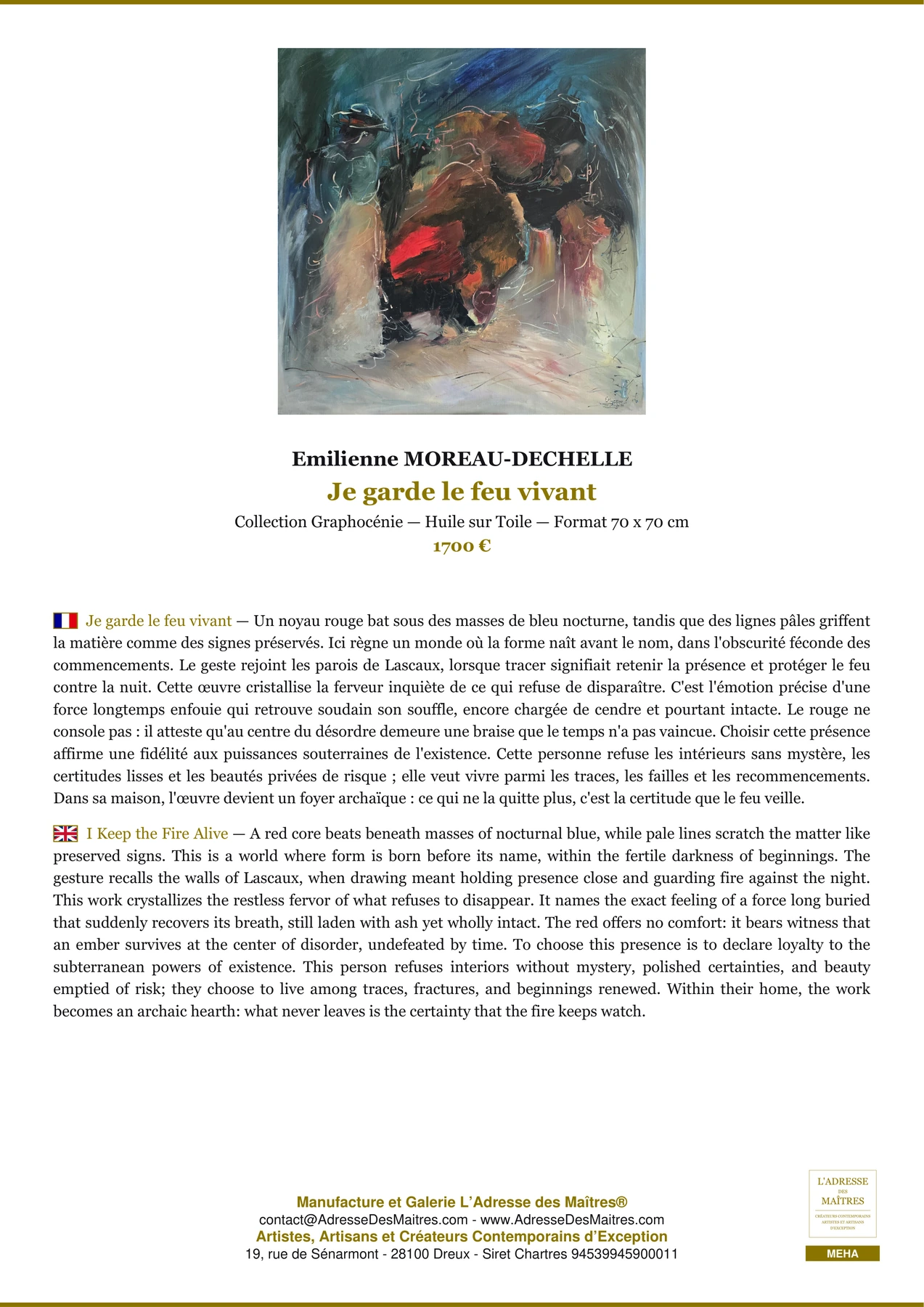
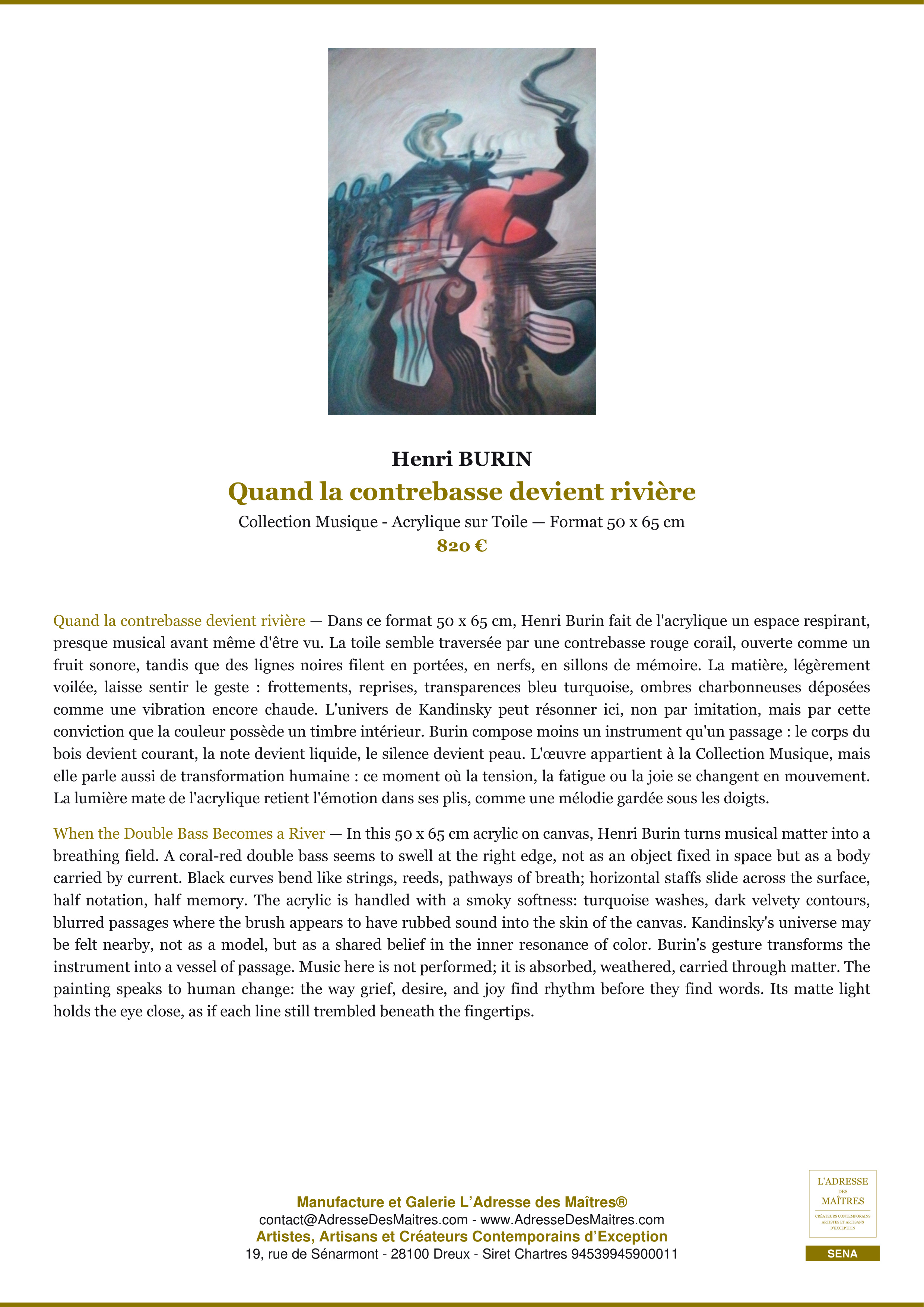
Would you like to experience these artistic movements in person? Visit the online gallery of L’Adresse des Maîtres®—more than 606 original works by contemporary artists.

Leave a comment