Investing in Contemporary Art — A Beginner's Guide
↓ Share this articleInvesting in contemporary art: a passion-driven investment that has become strategic
Investing in contemporary art is attracting a growing number of collectors, entrepreneurs, and investors seeking diversification. Long reserved for insiders, this market is now more accessible thanks to galleries, specialized platforms, and better information on artists, market valuations, and the traceability of artworks. Beyond aesthetic pleasure, purchasing a contemporary artwork can serve a heritage, cultural, and financial purpose.
Unlike traditional investments, contemporary art has a strong emotional dimension. A painting, sculpture, photograph, or work on paper is not merely a number: it enhances an interior, captures a particular era, and reflects a certain sensibility. It is precisely this dual nature—combining enjoyment with the potential for appreciation—that explains the growing appeal of this sector.
Why invest in contemporary art?
Investing in contemporary art offers several advantages. The first is portfolio diversification. By including artworks in a portfolio that consists of real estate, savings, or securities, investors reduce their reliance on a single asset class. Art does not always follow the same cycles as financial markets, which can make it a valuable component of an overall investment strategy.
The second advantage lies in the potential for appreciation. When an artist gains recognition, exhibits at renowned institutions, receives critical acclaim, or sees their sales rise in galleries and at auctions, the value of their works can increase significantly. Such appreciation is never guaranteed, but it can be a real possibility for buyers who are able to identify serious artists with strong support.
The third consideration concerns transmission. An art collection can be part of a family legacy and heritage. It constitutes a tangible, identifiable collection—sometimes imbued with meaning—that can be passed down or transferred over time. For some collectors, investing in contemporary art is as much about building a cultural legacy as it is about seeking capital appreciation.
Finally, contemporary art helps support the creative process. By purchasing from a gallery or directly through it, you contribute to the art world’s real economy: production, distribution, exhibition, conservation, and outreach. This aspect is often central to art lovers who want to give meaning to their investment.
Understand what contemporary art is before buying
Contemporary art generally refers to works created by artists of our time or those that are part of recent artistic movements. It can include painting, sculpture, drawing, photography, printmaking, mixed media, and more conceptual forms. To invest wisely, it is important not to buy merely a “style,” but to understand an artist’s creative journey.
A credible artist is often part of a structured ecosystem: solo and group exhibitions, representation by galleries, publications, inclusion in private or public collections, participation in art fairs, and a consistent body of work. The more thoroughly documented an artist’s career is, the more reference points a buyer has to assess the coherence and longevity of their work.
The artwork itself must also be analyzed: technique, format, period of creation, rarity, condition, subject matter, and provenance. Two works by the same artist can have very different levels of desirability. Intrinsic quality remains a decisive factor.
How do I get started investing in contemporary art?
Getting started in art investing doesn’t necessarily require a large budget. It is possible to acquire original works at reasonable prices, provided you have the right guidance. The first step is to define your goal: are you buying out of passion with an eye toward long-term appreciation, building a cohesive initial collection, or seeking out established artists?
The second step is to set a realistic budget. This should include not only the purchase price, but also any associated costs: framing, shipping, insurance, and preservation. In contemporary art, the price range varies significantly depending on the artist’s reputation and the scarcity of available works.
The third step is learning. Before making a purchase, it’s a good idea to visit galleries, exhibitions, and art fairs, and to look through catalogs. You should observe, compare, ask questions, and understand the techniques and the artists’ careers. An informed investment rarely results from an impulse buy. It is built over time, with a systematic approach.
The fourth step is to choose a trusted advisor. A reputable gallery offers a curatorial perspective, a discerning selection, reliable information, and personalized guidance. For buyers located in Eure-et-Loir or seeking guidance in the region, the Galerie d’Art L’Adresse des Maîtres® in Dreux is an excellent resource for discovering artworks, discussing artists, and benefiting from a professional setting for a purchase.
The key criteria for choosing the right artwork
When investing in contemporary art, it is best to avoid purchases driven solely by passing trends. Several criteria can help you make a more informed decision. The first is the consistency of the artist’s career. An artist with a long-standing career, a recognizable body of work, and a clear artistic vision inspires greater confidence than a name that has suddenly gained media attention but lacks a solid foundation.
The second criterion is the quality of the work. Its composition, visual impact, place within the artist’s overall body of work, and ability to stand the test of time are key factors. A signature piece from a well-known series will often be more sought-after than a lesser-known work.
The third criterion is traceability. It is essential to know the work’s provenance, date, technique, dimensions, and ownership history (if possible), as well as the documents provided at the time of sale. The more thoroughly a work is documented, the more secure its circulation on the market.
The fourth criterion is potential liquidity. Not all artists have the same market. Some artists’ works sell more easily than others. Representation by galleries, institutional visibility, and consistent demand play an important role in the future ability to sell a work on favorable terms.
The critical importance of the certificate of authenticity
A certificate of authenticity is an essential document in any art investment. It certifies that the work is indeed attributed to the stated artist and typically includes several key details: the artist’s name, the title of the work, the date, the medium, the dimensions, the material, the edition number (if applicable), the signature, and sometimes a photograph and the contact information of the seller or gallery.
For the buyer, this certificate serves as an essential documentary guarantee. It facilitates the retention of proof of provenance, enhances the work’s credibility in the event of a resale, and helps protect against claims of misattribution. In the case of multiples, photographs, or prints, the information regarding the edition and the copy number is particularly important.
This document should be kept with the utmost care, ideally along with the purchase invoice, any correspondence with the gallery, and any other materials related to the artwork. In the event of an estate, insurance claim, appraisal, or resale, this collection of documents will be of critical importance.
A professional gallery typically provides a certificate of authenticity or an equivalent document appropriate to the nature of the artwork being sold. This is something you should verify before making any purchase. The absence of a certificate does not necessarily mean that a piece is problematic, but it is an important red flag, especially when making an investment.
Why Premium Listings Enhance Investment Security
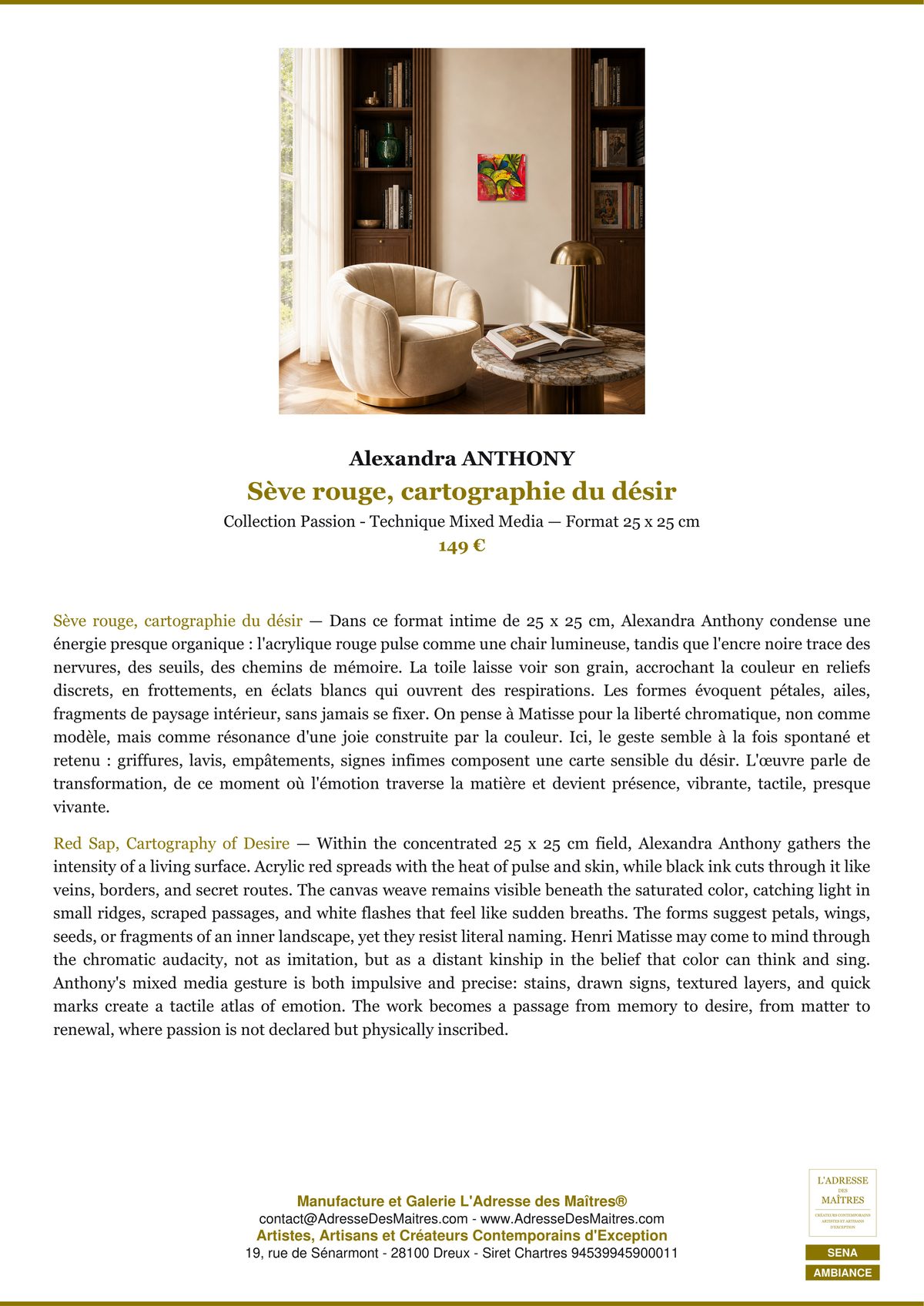
When making a serious investment, information is just as important as the artwork itself. This is where the Premium Profiles really come into their own. They go beyond a simple sales pitch by providing a more comprehensive analysis and documentation of both the artist and the artwork in question.
Premium Profiles may include, depending on the case, a structured biography of the artist, a chronology of exhibitions, awards, collaborations, market positioning, detailed descriptions of the artwork, contextual information about the series or the period in which it was created, as well as useful guidance on conservation and potential appreciation. For both novice and experienced investors, this information enables them to make a more informed decision.
In practice, Premium Files serve several purposes. They make it easier to compare different artists or works. They provide clarity on the key details of the file. They also create a valuable documentary record for tracking the collection. Whether for resale, inheritance, or insurance purposes, having comprehensive and well-organized documentation is a real advantage.
When a gallery offers Premium Listings, it often reflects a commitment to professionalizing the buying experience and supporting collectors over the long term. For investors, it is a particularly useful decision-making tool.
The Role of the Gallery in a Successful Investment
An art gallery does more than just sell artwork. It plays a role in curating, advising, providing context, and ensuring security. It knows the artists it represents, tracks their development, builds their visibility, and maintains relationships with collectors. For an investor, this guidance is essential because it reduces the risk of making a mistake due to an ill-informed or misguided purchase.
The L’Adresse des Maîtres® Art Gallery in Dreux can thus serve as an ideal starting point for those who wish to explore contemporary art in a professional yet accessible setting. Working with a gallery allows you to ask the right questions: Why this artist? What is the consistency of their career trajectory? What documentation accompanies the artwork? What are the prospects for building a collection?
A long-term relationship with a gallery is often more productive than a one-off purchase. Over time, collectors refine their eye, organize their collection, and learn to better seize opportunities in line with their tastes and wealth management strategy.
What risks should you be aware of before investing?
Like any investment, contemporary art involves risks. The first is that there is no guarantee of a return. The value of a work of art may rise, remain stable, or fall depending on the artist’s career trajectory, market conditions, and demand. Therefore, you should approach the purchase with a long-term perspective.
The second risk is a lack of liquidity. Reselling a work of art can take time. The art market does not always offer the speed or transparency of other markets. Hence the importance of selecting well-established artists and properly documented works.
The third risk concerns authenticity, provenance, or condition. That is why it is essential to have a certificate of authenticity, an invoice, solid documentation, and, if possible, Premium Files. The more complete the artwork’s documentation, the safer the investment.
Practical tips for building a cohesive collection
To get off to a good start, it’s better to buy fewer pieces, but of higher quality. A cohesive collection is often based on a guiding principle: a medium, a theme, a generation of artists, an aesthetic, or a specific price range. This cohesion makes it easier to make choices and ensures the collection remains clear and coherent over time.
It is also recommended to meticulously document each acquisition: invoice, certificate of authenticity, photographs, correspondence with the gallery, Premium Records, and exhibition history, if available. This collector’s discipline is a smart approach to preserving one’s cultural heritage.
Finally, we have to accept that there is an element of subjectivity involved. The best art investments are often those we are happy to keep. Buying a work that we truly appreciate gives it meaning over the long term, even if it takes several years for its value to appreciate.
Conclusion: Investing in contemporary art with a systematic approach and confidence
Investing in contemporary art combines enjoyment, culture, and wealth management strategy. It can offer attractive diversification, appreciation potential, and genuine personal satisfaction—provided it is approached systematically. Understanding an artist’s career, selecting high-quality works, insisting on a certificate of authenticity, and relying on Premium Profiles are essential steps to ensuring a secure purchase.
To get off to a good start, working with a gallery remains one of the best approaches. In this regard, the Galerie d’Art L’Adresse des Maîtres® in Dreux is an ideal partner for seriously discovering, understanding, and acquiring contemporary artworks. Investing in art is not just about buying an object; it involves embarking on a thoughtful, well-researched collecting process that has the potential to yield long-term value.
Check out our gallery
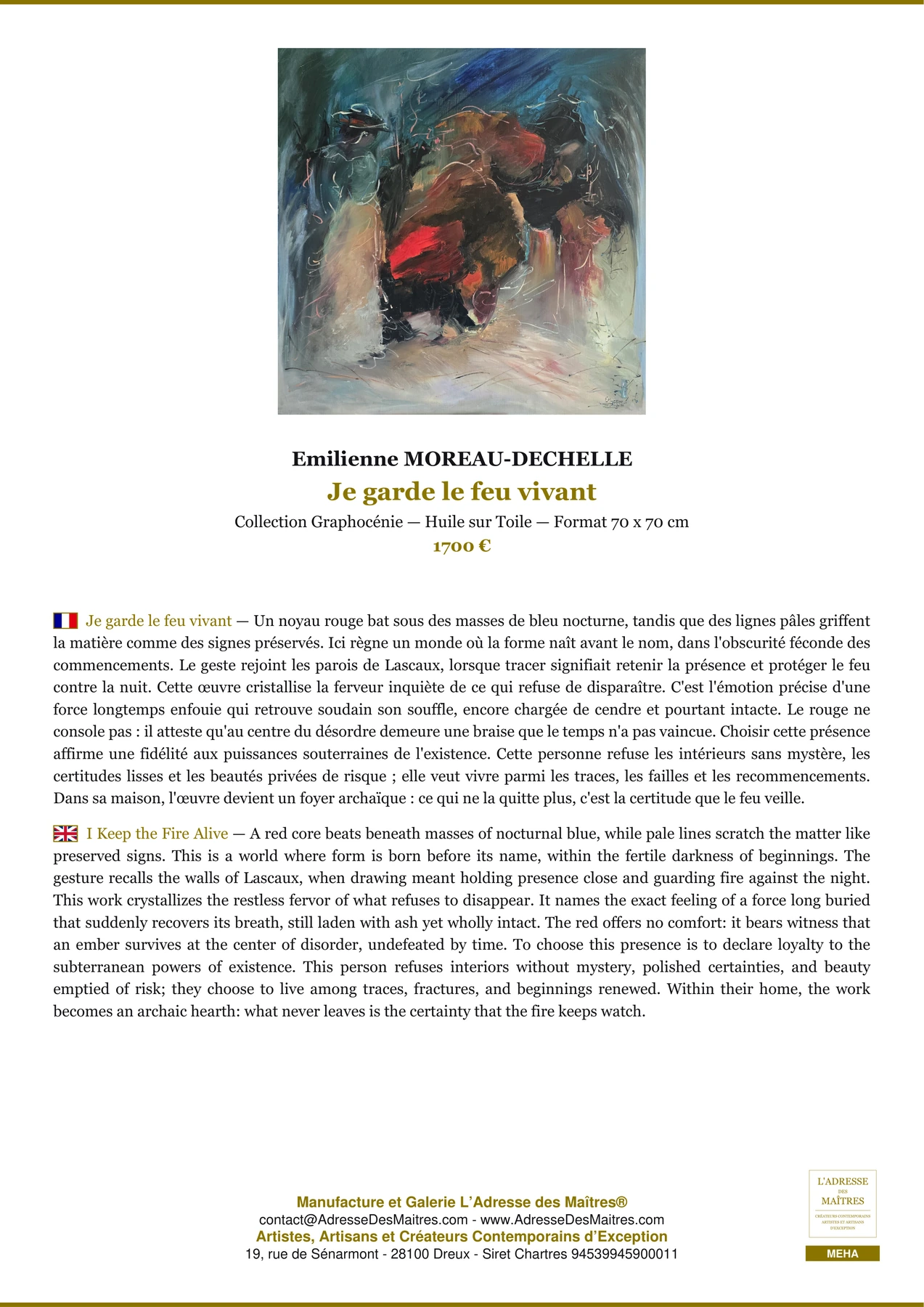
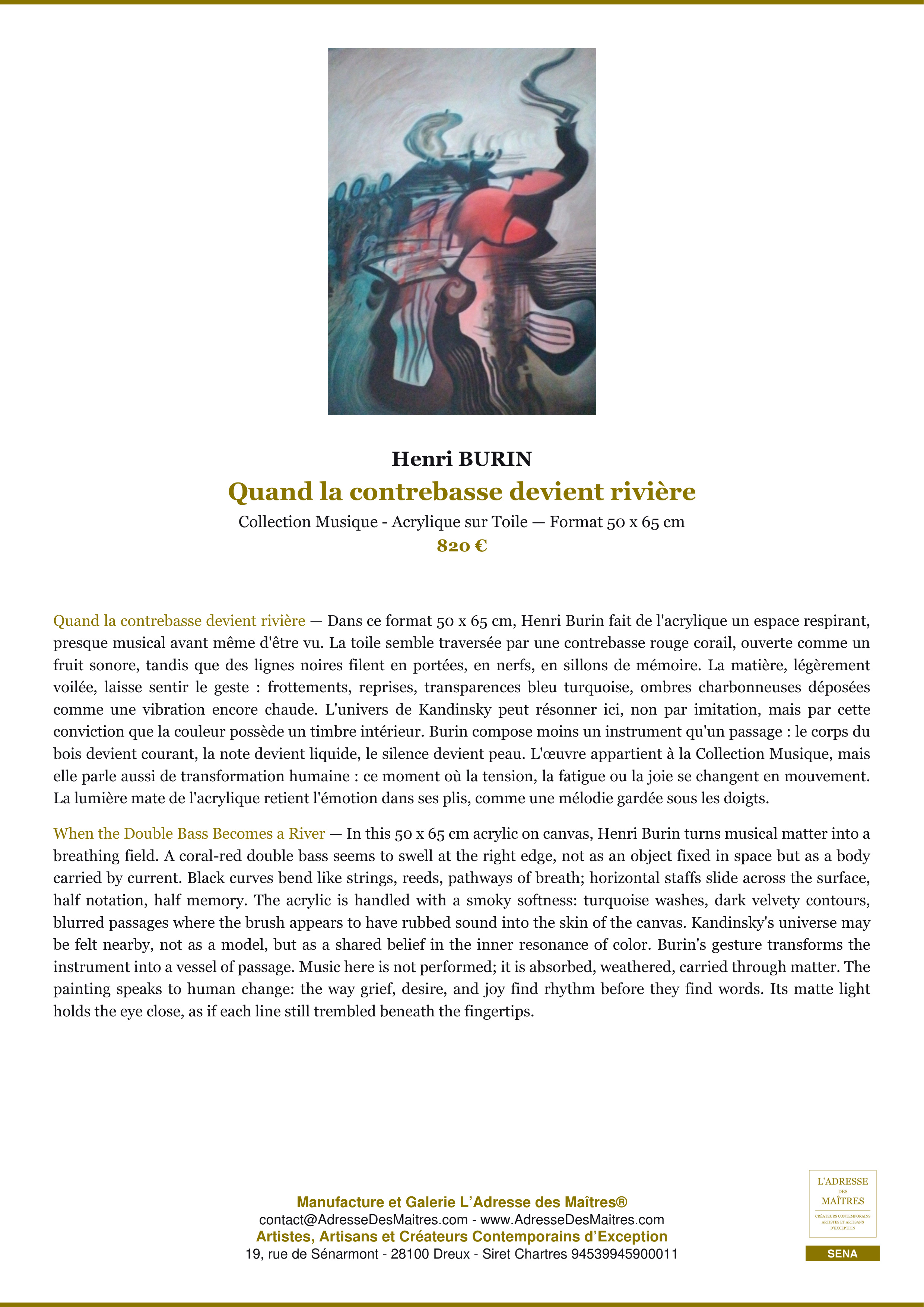
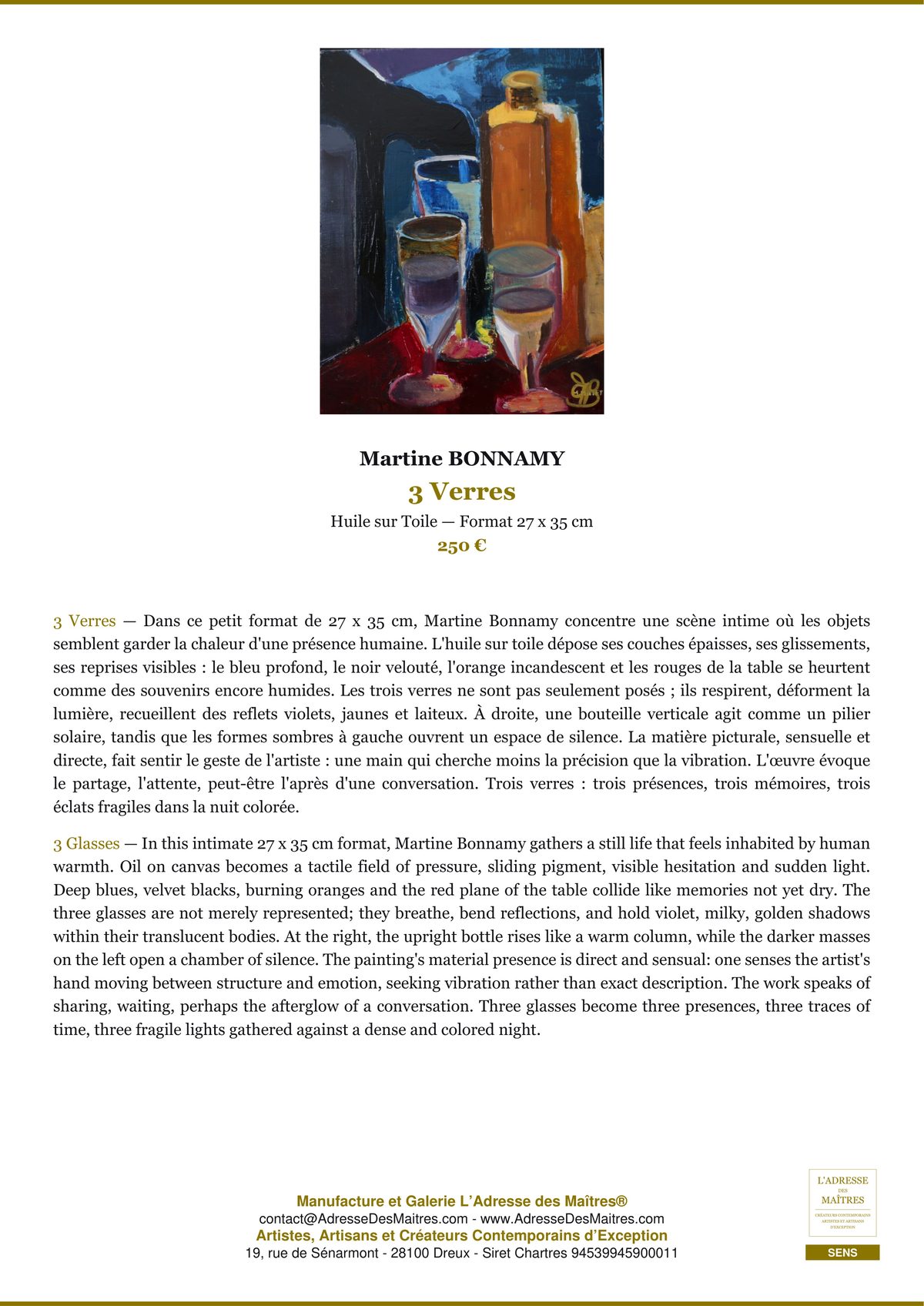
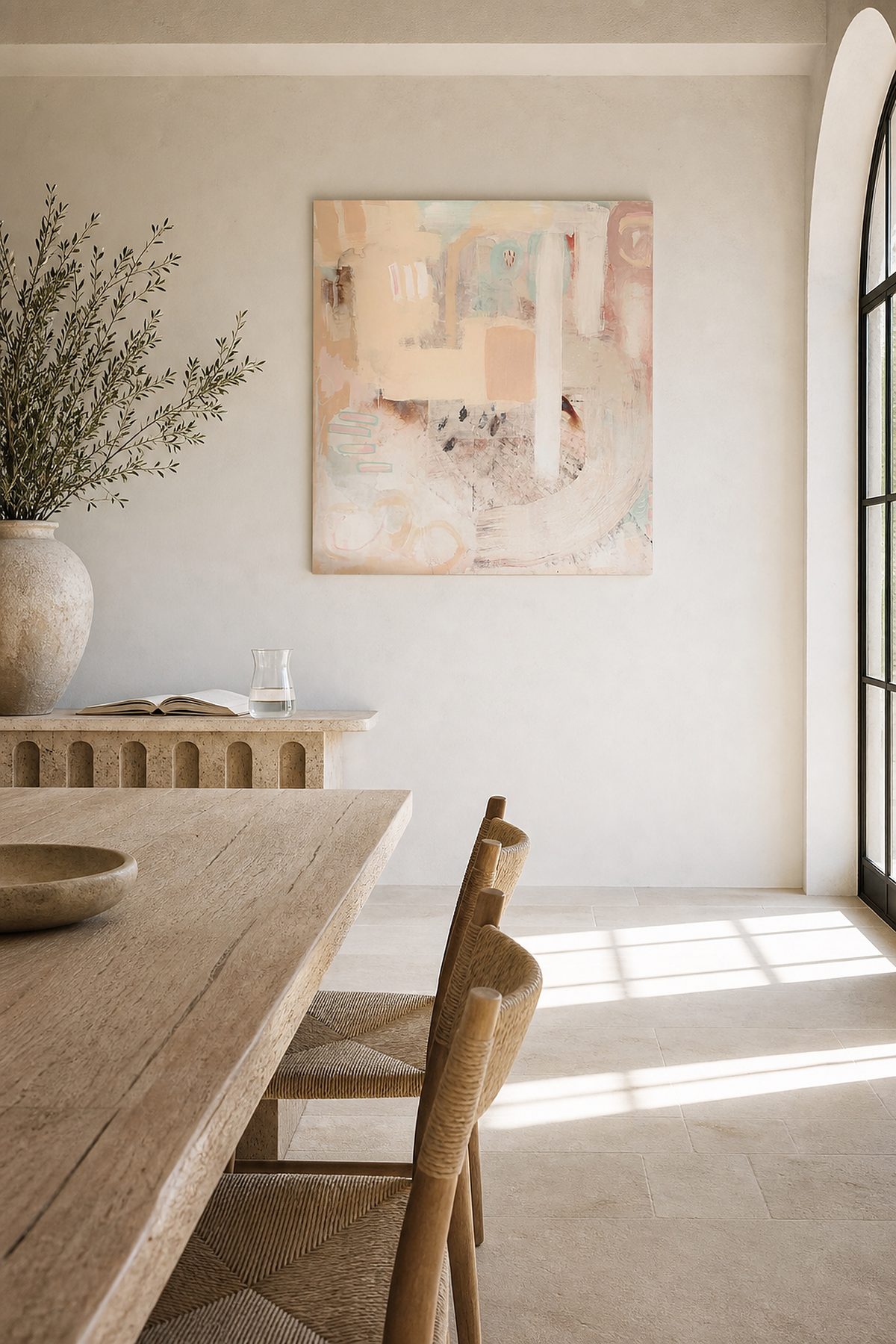
Explorez plus de 1636 œuvres dans notre galerie en ligne — Fiches Premium, Certificats d’Authenticité et Ambiances disponibles pour chaque œuvre.
Leave a comment