Pop Art — When Art Meets Popular Culture
↓ Share this articlePop Art: A Major Movement at the Intersection of Popular Culture and Contemporary Art
Pop art is one of the most influential movements incontemporary art. Emerging in the mid-20th century, it revolutionized traditional artistic conventions by incorporating images from advertising, comic books, television, consumer products, and mass culture into its works. With Pop Art, art is no longer limited to noble or classical subjects: it draws inspiration from everyday life, ordinary objects, and media icons.
Accessible, colorful, striking, and often ironic, this movement continues to exert a profound influence on artists, collectors, and art galleries. Figures such as Warhol and Roy Lichtenstein have turned it into a universal visual language that is instantly recognizable. Even today, Pop Art continues to inspire painting as well as design, photography, fashion, and mixed media practices such as collage.
The Birth of Pop Art: From England to the United States
Pop Art first emerged in England in the 1950s. One of the key figures of this early phase is Richard Hamilton, often regarded as one of the movement’s pioneers. His approach was rooted in an observation of the modern world, advertising, and the emerging consumer society. By focusing on images produced by the media and the aesthetics of everyday objects, Hamilton laid the groundwork for a new form of art that engaged directly with its time.
The movement’s spread to the United States marked its explosive growth. In the 1960s, American Pop Art gained considerable momentum with artists such as Andy Warhol and Roy Lichtenstein. Whereas Hamilton analyzed the visual signs of modernity, American artists amplified them and transformed them into powerful symbols of the era. The American context, dominated by advertising, supermarkets, cinema, television, and celebrities, provided the perfect breeding ground for this movement.
Warhol appropriated images of soup cans, Coca-Cola bottles, and celebrities like Marilyn Monroe. Lichtenstein, for his part, drew on the visual conventions of comic books, with their halftone patterns, sharp outlines, and sound effects. Both artists demonstrated that popular images can become works of art in their own right.
The Philosophy of Pop Art: Accessible and Critical Art
One of the great strengths of Pop Art is its commitment to making art more accessible. Unlike some more conceptual or elitist movements, it relies on images that are immediately recognizable. Viewers recognize what they see: a celebrity, a consumer product, a comic book scene, an advertisement. This visual familiarity contributes to the movement’s popularity.
But this accessibility does not mean a lack of thoughtfulness. Pop Art also offers a subtle—and at times direct—critique of consumer society. By reproducing commercial or media images, artists examine our relationship to objects, desire, celebrity, and mass reproduction. They reveal how images permeate everyday life and shape our imaginations.
The movement thus maintains a fruitful ambiguity: it seems to celebrate popular culture while simultaneously distancing itself from it. A work by Warhol can be seen both as a tribute to industrial modernity and as a commentary on its repetitive, standardized, almost impersonal nature. It is this tension that gives Pop Art its depth.
Signature techniques: screen printing, collage, and bold colors
Pop Art is distinguished by an instantly recognizable visual vocabulary. Among its signature techniques, silkscreen printing plays a central role. It allows for the mass production of images, with variations in color or framing. This method perfectly captures the spirit of the movement, which engages with industrial repetition and the mass dissemination of images.
Andy Warhol played a major role in making silkscreen printing a symbol of Pop Art. Through this process, he transformed unique works into reproducible images, blurring the line between artistic creation and mechanical production. Repetition became a visual language in its own right.
Collage is another important technique. Derived in part from the avant-garde movements of the 20th century, it allows artists to assemble fragments of images, materials, or visual references. Within the context of Pop Art, collage fosters unexpected connections between popular culture, advertising aesthetics, and personal sensibilities. It plays an essential role in the creation of dynamic, composite, and often highly contemporary images.
Bright colors are, after all, one of the movement’s most recognizable hallmarks. Vibrant reds, bold yellows, intense blues, and stark contrasts: Pop Art seeks to create a visual impact. These colors evoke those found in posters, packaging, screens, and magazines. They contribute to the appeal of these works while highlighting their connection to the commercial world.
Andy Warhol and the Factory: Art as Industrial Production
It is impossible to discuss Pop Art without giving Warhol special attention. More than just an artist, Andy Warhol has become an iconic figure of modern art. His work spectacularly embodies the intersection of art, celebrity, reproduction, and the culture industry.
At the heart of this approach lies The Factory, his famous New York studio. This space was not merely a place of creation: it functioned as a laboratory, a studio, a social hub, and almost an artistic factory. There, Warhol conceived of art as a production process. Assistants helped create the works, images were repeated, series multiplied, and portraits became mass-produced icons.
The Factory embodies a fundamental idea: in the modern world, art can adopt the principles of industrial production. This does not mean, however, that the artist disappears, but rather that their role is redefined. Warhol selects, frames, transforms, replicates, and circulates. He turns reproduction itself into a creative act.
This vision has had a profound impact oncontemporary art. It paved the way for new reflections on the artist, the series, the media image, and the value of the artwork. Even today, Warhol remains a central figure in any discussion of the relationship between art and society.
Collage Today: An Echo of Pop Art at the Galerie d’Art L’Adresse des Maîtres® in Dreux
The legacy of Pop Art can still be seen in many contemporary art practices, particularly in the use of collage. In this vein, the Galerie d’Art L’Adresse des Maîtres® in Dreux is showcasing an artist whose work reflects this artistic sensibility: Serena GIAMÈ.
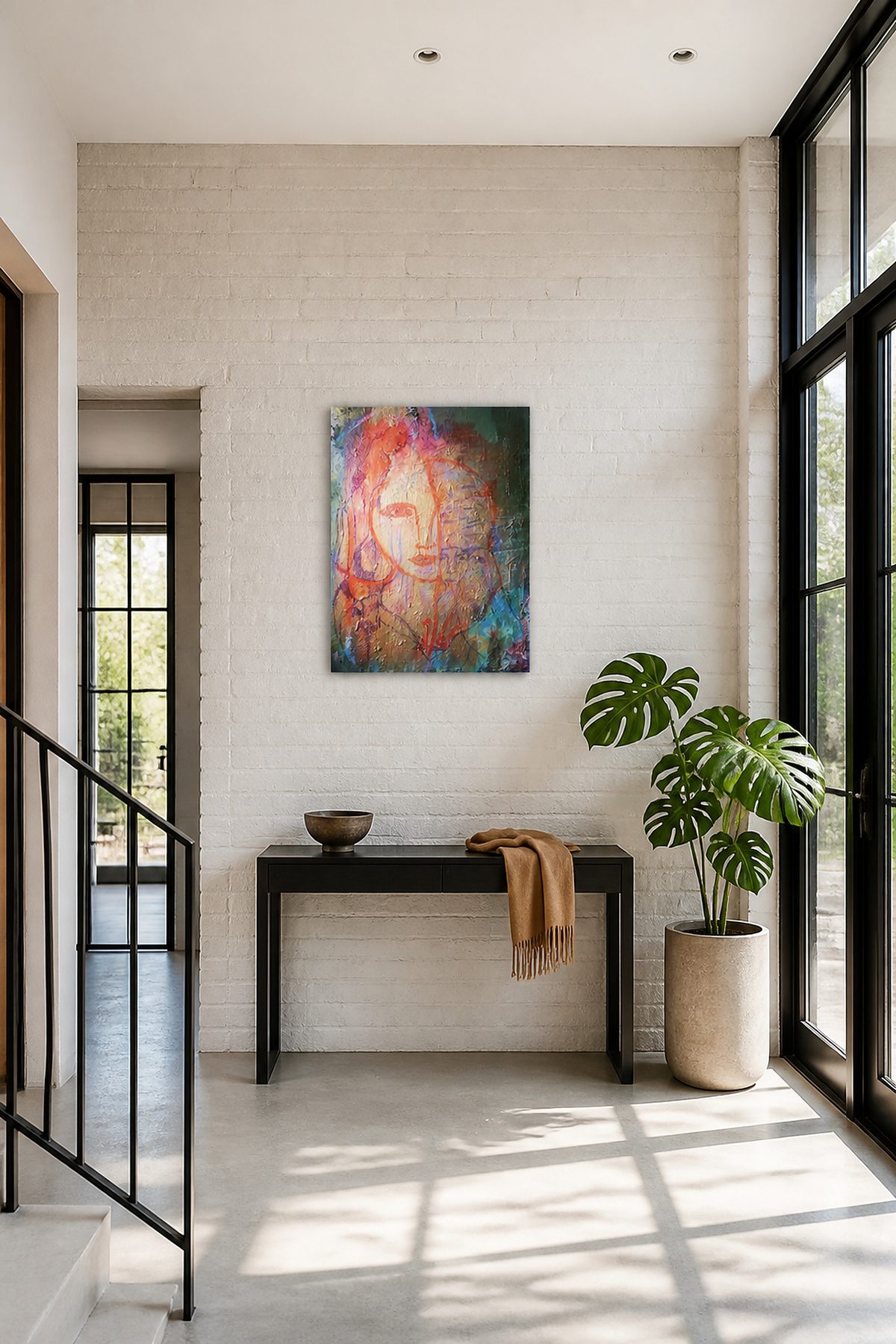
Serena GIAMÈ has three collage works, including *Étreinte en filigrane*. In the context of an article devoted to Pop Art, this inclusion is particularly relevant, as collage is one of the techniques that allows for the exploration of the juxtaposition of images, fragmented composition, and the visual richness characteristic of modern aesthetics. Serena GIAMÈ’s collage works thus offer an interesting echo of one of the visual languages associated with the movement: they remind us how the assembly of forms and fragments can inform a contemporary reading of the image.
For an art gallery, highlighting this type of technique also serves to demonstrate that the legacy of Pop Art extends beyond references to its historic figures. It lives on in contemporary approaches where image construction, layering, and the interplay between visual elements remain essential.
The Influence of Pop Art on Contemporary Art
Pop Art continues to shapecontemporary art in many ways. Its influence is most evident in the widespread use of images drawn from the media, social media, advertising, and popular culture. Whereas artists of the 1960s drew on newspapers, television, and packaging, today’s creators are tapping into digital streams, logos, global celebrities, and the visual codes of the screen.
This influence is also evident in the freedom to blend different styles. Pop Art helped break down the hierarchies between so-called high culture and popular culture. This openness is now ubiquitous. A contemporary artist can incorporate references to luxury, street art, advertising photography, illustration, or everyday consumer objects all within a single work.
On a formal level, the movement’s legacy is also evident in a preference for bold blocks of color, striking formats, repetition, serial effects, and the immediate impact of the image. Even when works do not strictly fall under the category of Pop Art, they may incorporate certain of its principles: visual clarity, graphic force, and a dialogue with the world of commercial imagery.
Pop Art has ultimately bequeathed a fundamental question to contemporary art: how can one create in a world saturated with images? This question remains at the heart of many contemporary artistic practices.
Collecting Pop Art: Market, Value, and Trends
Collecting Pop Art appeals to both novice art lovers and seasoned collectors alike. There are several reasons for its popularity. First, Pop Art enjoys widespread recognition. Names like Warhol and Lichtenstein are known far beyond the circle of specialists. Second, these works often possess an immediate visual impact, thanks to their bright colors and accessibility.
In the art market, historic works by the great masters of Pop Art command very high prices. Silkscreen prints, editions, and works on paper also play an important role, as they sometimes offer a more affordable entry point into this world. As always, value depends on rarity, provenance, condition, the subject matter, and the work’s place in the artist’s career.
Current trends also reveal a growing interest in contemporary artists who carry on the spirit of Pop Art, whether through collage, the reappropriation of popular images, the use of bold colors, or reflections on consumer society. Collectors are no longer seeking only historical figures; they are also interested in artistic lineages, reinterpretations, and hybrid practices.
In this context, the role of an art gallery is fundamental. It guides art lovers in discovering works, explains techniques, situates artists within a broader historical context, and helps them understand market trends. A gallery like Galerie d’Art L’Adresse des Maîtres® in Dreux thus plays a vital role in bridging the gap between artworks, artists, and the public.
Why Pop Art Still Captivates Us
Pop Art remains so vibrant because it speaks directly to our world. It features the images that surround us, our everyday objects, our media idols, and our consumer habits. It is at once appealing and critical, popular and conceptual, immediate and profound.
From Richard Hamilton to Warhol, from silkscreen printing to collage, from the 1950s tocontemporary art, the movement has continually transformed our perspective on the image. Its influence continues today in the work of contemporary artists and in the enduring interest of both the public and collectors.
Exploring Pop Art, then, means understanding an essential aspect of visual modernity. It also means discovering how art can transform the banality of everyday life into an aesthetic language, challenge consumer society, and remain, despite the passing of decades, surprisingly relevant today.
Check out our gallery
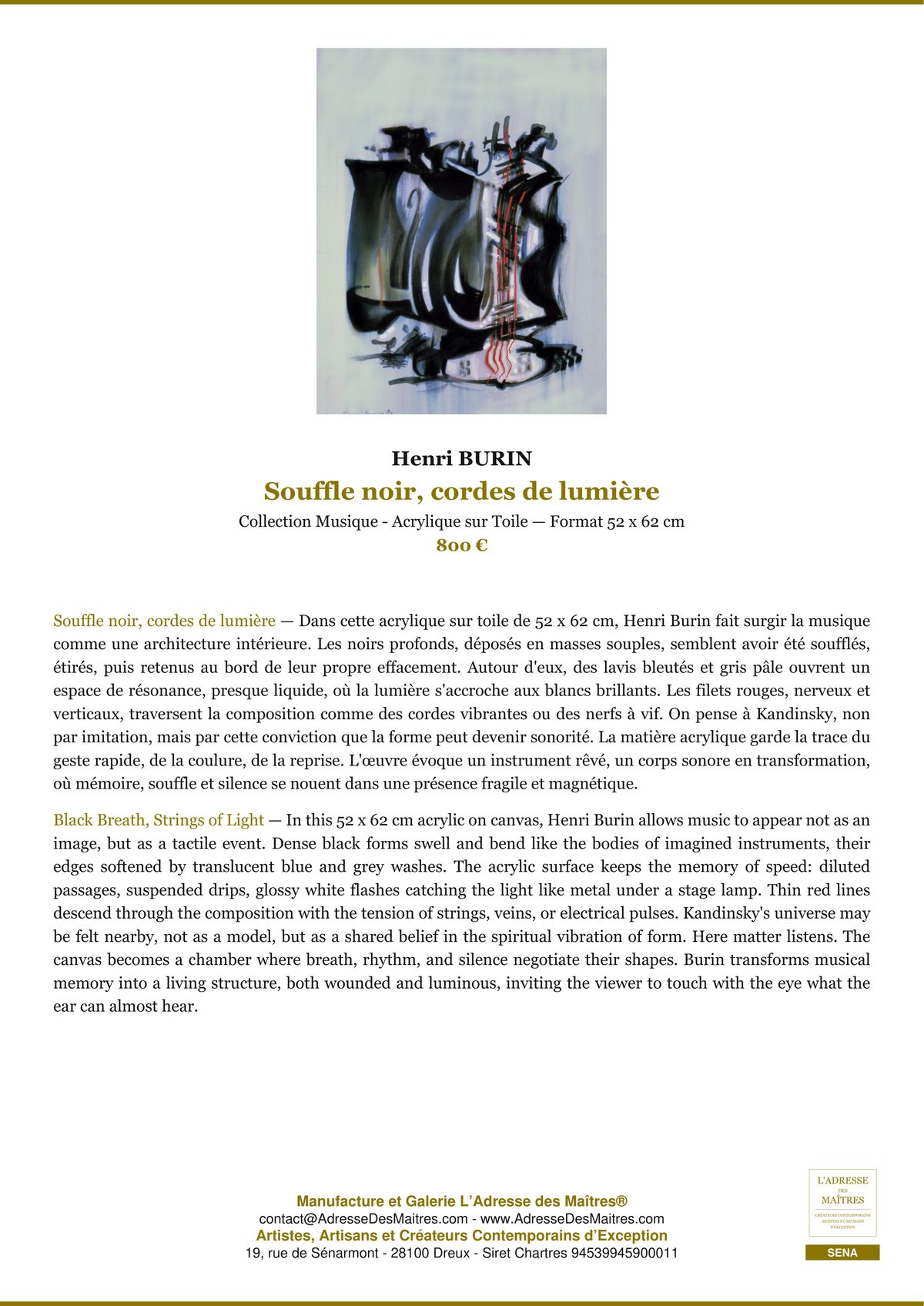
Would you like to experience these artistic movements in person? Visit the online gallery of L’Adresse des Maîtres®—more than 606 original works by contemporary artists.

Leave a comment