

Street Art — From the Streets to the Art Gallery
↓ Share this articleStreet art: from the streets to art galleries
Street art, also known as urban art, now plays a major role in the contemporary cultural landscape. Long viewed as a marginal practice—or even as a form of vandalism in public spaces—it is now studied, collected, and exhibited in major institutions. At the intersection of graffiti art, social intervention, and visual art, it challenges our relationship with the city, with imagery, and with freedom of expression.
From the walls of the New York subway to the gallery walls, street art has undergone a dramatic evolution. Its history is marked by major figures, diverse techniques, tensions between spontaneity and commercialization, and a rapidly expanding market. Understanding this movement also means understanding how the street has become a creative space in its own right.
The Origins of Street Art: From New York Graffiti to Contemporary Icons
The roots of street art lie in the New York of the 1960s and 1970s. It was in this urban context—socially diverse and visually saturated—that graffiti art developed. The first graffiti artists wrote their names or pseudonyms on walls, subway cars, and building facades. These signatures, or “tags,” were a gesture that was at once a statement of identity, a claim of territory, and an act of protest. The goal was to be seen, recognized, and repeated throughout the city.
Little by little, simple tags gave way to more complex, colorful, and monumental compositions. Graffiti became a visual language in its own right. It was no longer just about marking a spot, but about creating an aesthetic unique to the street. This evolution laid the foundation for much ofthe urban art we know today.
Among the figures who have helped shape this culture, Jean-Michel Basquiat plays a pivotal role. Before gaining international recognition, he made his mark on New York’s public spaces under the pseudonym SAMO. His transition from the streets to the art world symbolizes one of the first major shifts of street art toward institutional recognition. Basquiat demonstrated that the raw energy of the city could engage with the contemporary art scene.
Later, Banksy established himself as one of the movement’s most famous artists. Using stencils, irony, and a strong political message, he transformed walls into canvases for social criticism. His anonymity contributed to his legend, but it was above all his ability to create simple, striking, and instantly recognizable images that left a lasting mark on the history of street art.
Another key figure: Obey, the pseudonym of Shepard Fairey. His work, which draws heavily on the repetition of images and the aesthetics of propaganda, has played a major role in bringingurban art into the public and media spheres. Obey demonstrates that the street can be a space for the widespread circulation of symbols, bridging the gap between visual activism and popular culture.
From vandalism to institutionally recognized art
The history of street art is inextricably linked to a fundamental misunderstanding: for many, painting on a wall without permission was considered vandalism; for others, it was a legitimate form of artistic expression. This tension has shaped perceptions of the movement for several decades.
At first, public authorities sought primarily to erase, punish, or suppress these practices. Graffiti was associated with delinquency, the illegal occupation of public space, and a form of visual disorder. Over time, however, perceptions began to change. Art critics, collectors, and institutions began to recognize the aesthetic and cultural power of these works.
The emergence of street art in museums and art centers did not happen overnight. It is the result of a gradual process of legitimization. Exhibitions dedicated tourban art are on the rise, municipalities are commissioning murals, and artists are collaborating with brands and cultural institutions. This shift from the margins to the mainstream marks a major turning point: what was once erased is now preserved; what was once persecuted is now celebrated.
This institutional recognition, however, raises questions. Can street art remain subversive when it is regulated, commissioned, or treated as cultural heritage? The power of the street often lies in the unexpected, in its spontaneity, and in its contextual nature. Once moved into an art gallery, the work changes its status, its audience, and sometimes its meaning.
Street art techniques: stencils, spray paint, collage, and urban installations
Street art is not limited to a single technique. Its richness lies precisely in the diversity of its means of expression. The spray can remains one of the most iconic tools. It allows for quick, sweeping, and direct strokes, particularly well-suited to the urban environment. With it, the wall becomes a canvas for writing, drawing, or monumental compositions.
The stencil, popularized in particular by Banksy, offers a different approach. It allows an image to be reproduced with precision and speed. On the street, where the time available for creating artwork can be limited, the stencil is a particularly effective tool. It also produces highly legible images, often imbued with a political or satirical message.
Collage is another major technique inurban art. It involves affixing posters, printed images, photographs, or mixed-media compositions to walls. Collage allows for great iconographic freedom. It brings materials—previously created in a studio—onto the streets, creating a dialogue between reproduction, the printed image, and the urban environment.
Urban installations further expand the scope of graffiti art and street art. Here, the focus is no longer simply on creating art on a flat surface, but on physically transforming a space, incorporating street furniture, structures, found objects, or architectural constraints. This approach offers viewers a more immersive and context-rich experience.
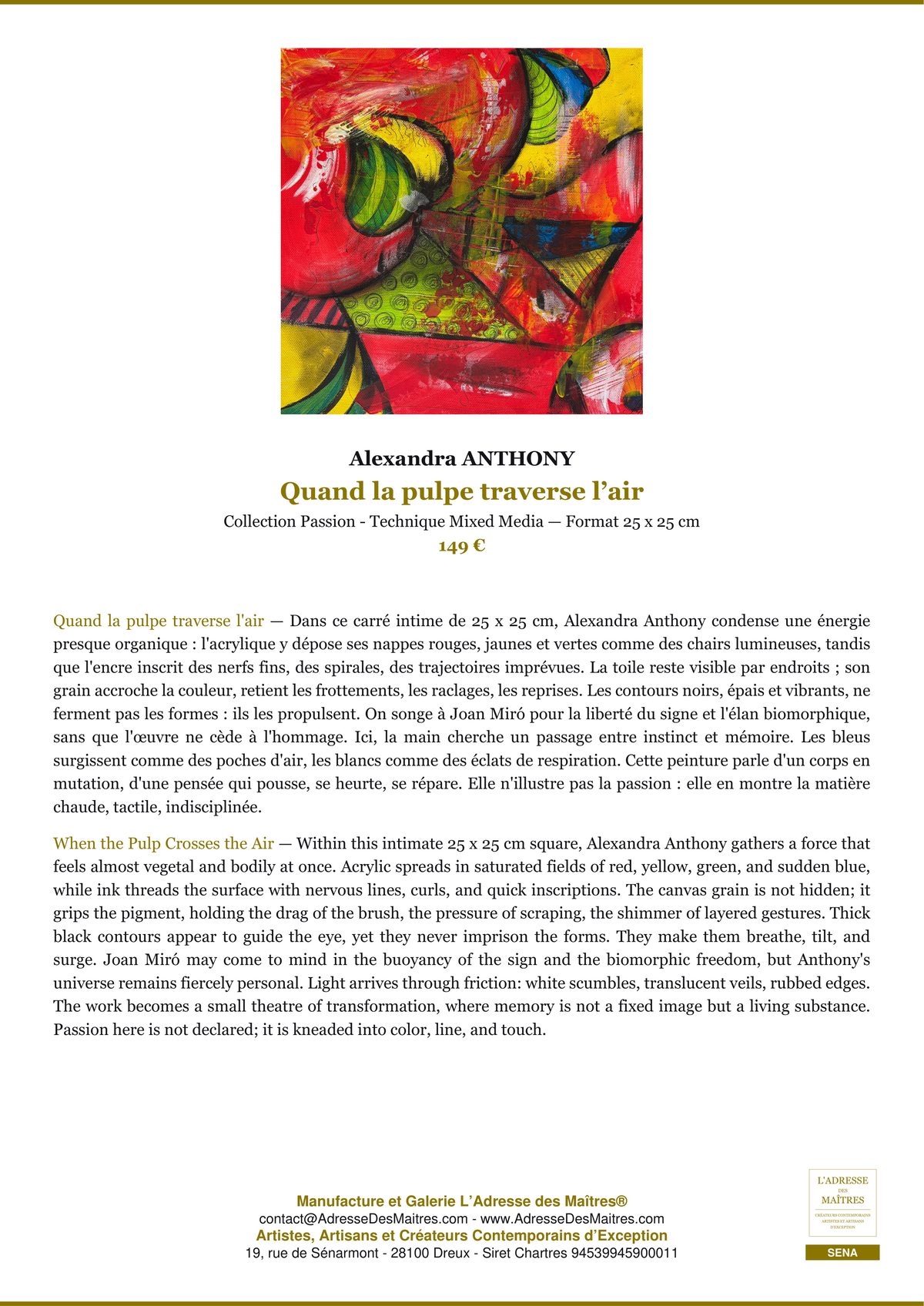
From a broader perspective, certain contemporary practices engage with urban aesthetics without strictly falling under the categories of graffiti or mural painting. In this vein, the Galerie d’Art L’Adresse des Maîtres® in Dreux presents a work by Nicole ALLAIS, created using Layered Image Composite Photography, titled “Memory of an Urban Fountain.” Through both its title and its composite photographic technique, this work offers a glimpse into the city’s visual memory and enriches the discourse onurban art. It reminds us that the world of street art can also engage with contemporary forms of imagery that observe, recompose, or interpret urban space.
The street art market: rising prices and record sales
For several years now, the street art market has been experiencing remarkable growth. Artists who were once considered outsiders are now fetching high prices. Auction houses, private collectors, and galleries are vying for certain works that have become rare, historic, or iconic.
This phenomenon can be attributed to several factors. First, the international fame of figures like Banksy has significantly contributed to the movement’s economic value. Second, the growing interest inurban art among young collectors has expanded the market. Finally, the rarity of certain pieces—particularly when they are linked to a documented street intervention or limited editions—plays a significant role in driving up prices.
Record sales have brought street art into the spotlight. They have also boosted its appeal as an investment segment. But this financialization is not without its ambiguities. A work intended for public spaces—often free and accessible to all—can find itself detached from its original context and transformed into a speculative commodity. This fuels an ongoing debate about whether the market remains true to the movement’s original spirit.
Nevertheless, the growth of the market has also led to better preservation of works on paper, canvas, or portable media, as well as greater recognition for artists. It has fostered the emergence of professional intermediaries, who are essential for ensuring secure sales and guiding art enthusiasts.
Street art and galleries: a fruitful tension between the street and exhibition spaces
The relationship between street art and art galleries is complex. On the one hand, galleries provide the visibility, preservation, and marketing opportunities that allow artists to make a living from their work and ensure its longevity. On the other hand, they can seem far removed from the free, direct, and sometimes illegal spirit of the street.
Exhibiting graffiti art in a gallery isn’t simply a matter of moving a work from one place to another. It’s about changing the way it’s perceived. On the street, the work emerges into everyday life, unfiltered, in front of an unselected audience. In a gallery, it’s viewed within an institutionalized setting—often silent, sometimes more selective. The message isn’t received in the same way there.
This tension isn’t necessarily negative. It can be creative. Some artists create works specifically for the exhibition without abandoning their urban practice. Others deliberately play on this contrast between public space and commercial space. The move to a gallery setting then allows them to document, extend, or recontextualize work that originated on the street.
In Dreux, the L’Adresse des Maîtres® Art Gallery is part of this movement to promote contemporary practices related to imagery, the city, and current artistic forms. For lovers of street art andurban art, the gallery serves as an excellent destination for discovering works, refining one’s artistic eye, and considering a purchase in a professional setting.
How to acquire an authentic piece of street art
Buying street art requires caution. Authenticity is a key concern, especially given how much the market has grown. The first rule is to work with recognized professionals: art galleries, reputable auction houses, experts, or dealers who can provide clear provenance.
It is essential to request specific documentation: a certificate of authenticity, proof of provenance, an invoice, and, if applicable, the edition number if the work is part of a limited edition. In the case of graffiti art orurban art, photographic documentation can also be important, especially when a work is associated with a site-specific installation.
It is also important to distinguish between various types of works: paintings on canvas, works on paper, silkscreen prints, photographs, multiples, and objects or elements from urban projects. Each has its own conservation requirements, rarity, and value. A successful acquisition depends not only on the artist’s reputation but also on the quality of the work, how it fits into the artist’s body of work, and its condition.
When making your first purchase, it may be wise to seek guidance from an art gallery that can explain the techniques, the creative context, and the work’s place within the street art scene. A reputable gallery can help avoid confusion, especially in a field where reproductions, editions, and derivative works are abundant.
Ultimately, acquiring art must remain an act of observation and sensitivity. Street art is an art form defined by visual impact, context, and message. Buying a piece of art also means choosing a fragment of that urban energy, of the wall’s history, and of the dynamic relationship between artistic creation and public space.
Why street art continues to fascinate
If street art is so appealing, it is undoubtedly because it combines several elements that are rarely found together: accessibility, visual impact, social relevance, formal freedom, and the ability to engage with the real city. It is at once popular and conceptual, spontaneous and elaborate, ephemeral and now collected.
From New York graffiti to Banksy, from Basquiat to Obey,urban art has proven that it can transcend the boundaries between street culture and artistic recognition. Its entry into art galleries does not mark the end of its story; on the contrary, it raises new questions about the circulation of artworks, their status, and their value.
Whether expressed through spray paint, stencils, collage, installations, or contemporary approaches to urban imagery—such as the exhibition currently on view at the Galerie d’Art L’Adresse des Maîtres® featuring Nicole ALLAIS and “Mémoire d’une fontaine urbaine”—street art remains a vibrant, ever-evolving field deeply rooted in our times.
For enthusiasts and collectors alike, it represents much more than just a trend: it’s a way of interpreting the city, of looking at its walls, and of understanding how art can emerge where you least expect it.
Check out our gallery
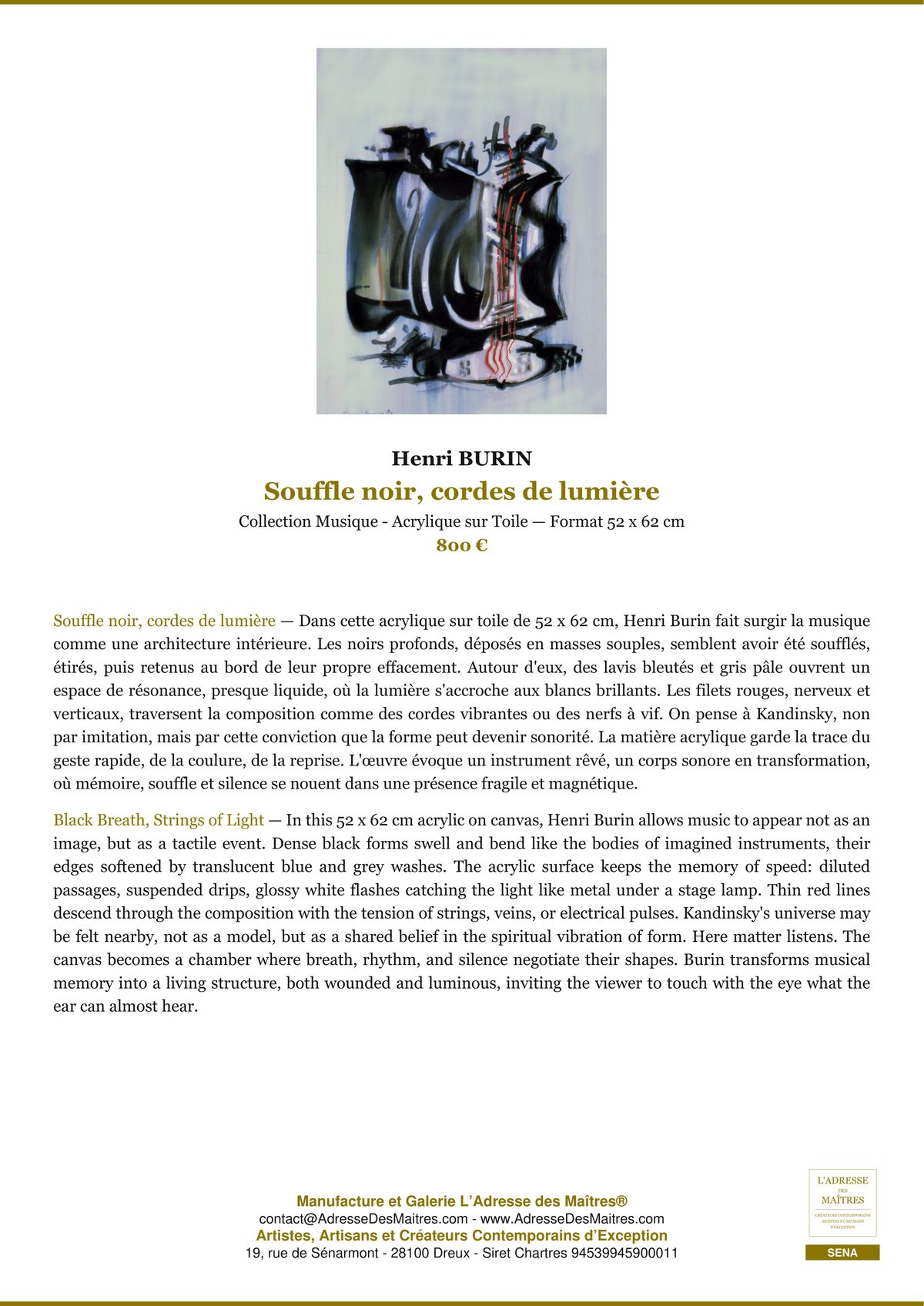
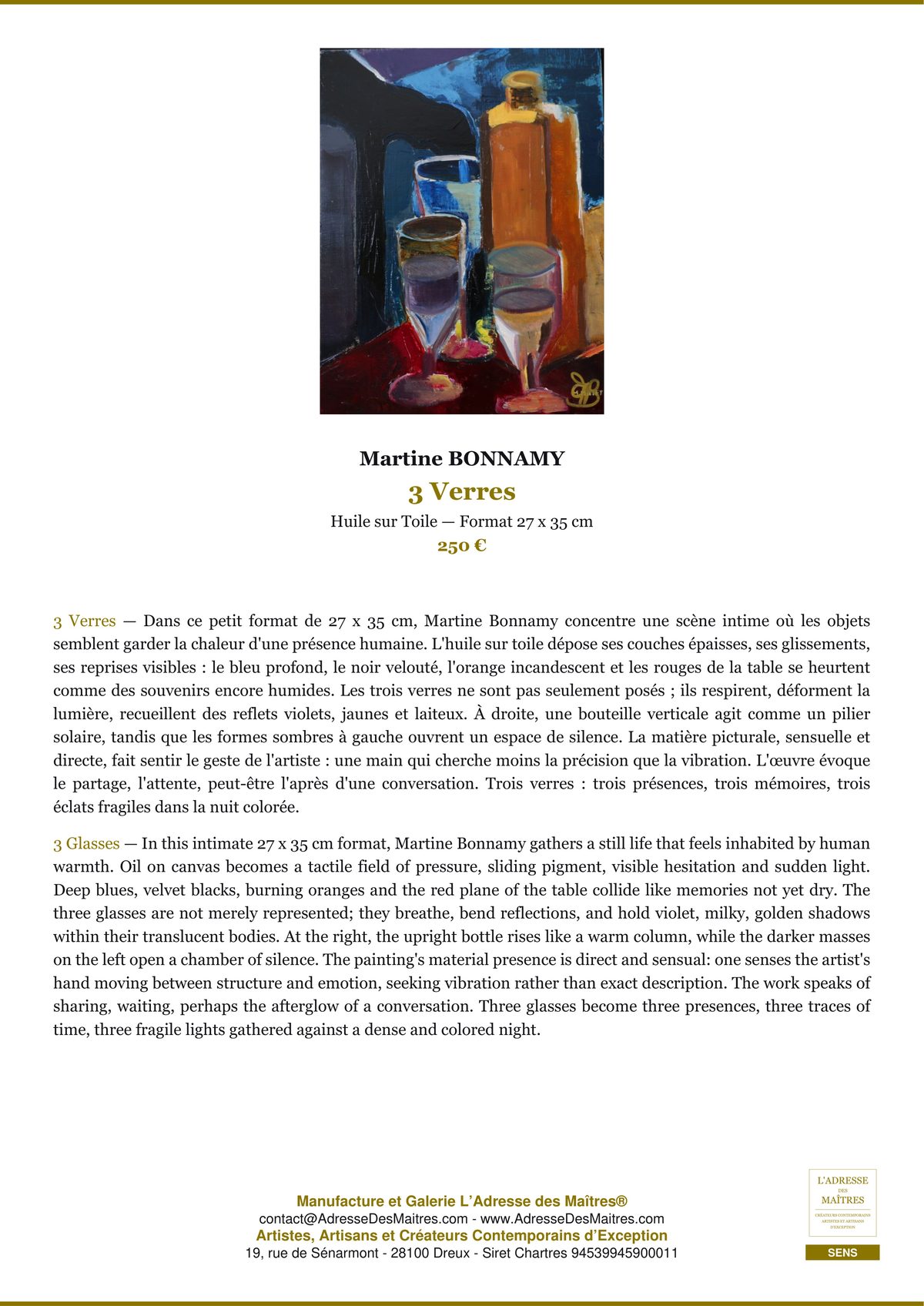

Would you like to experience these artistic movements in person? Visit the online gallery of L’Adresse des Maîtres®—more than 606 original works by contemporary artists.

Leave a comment