

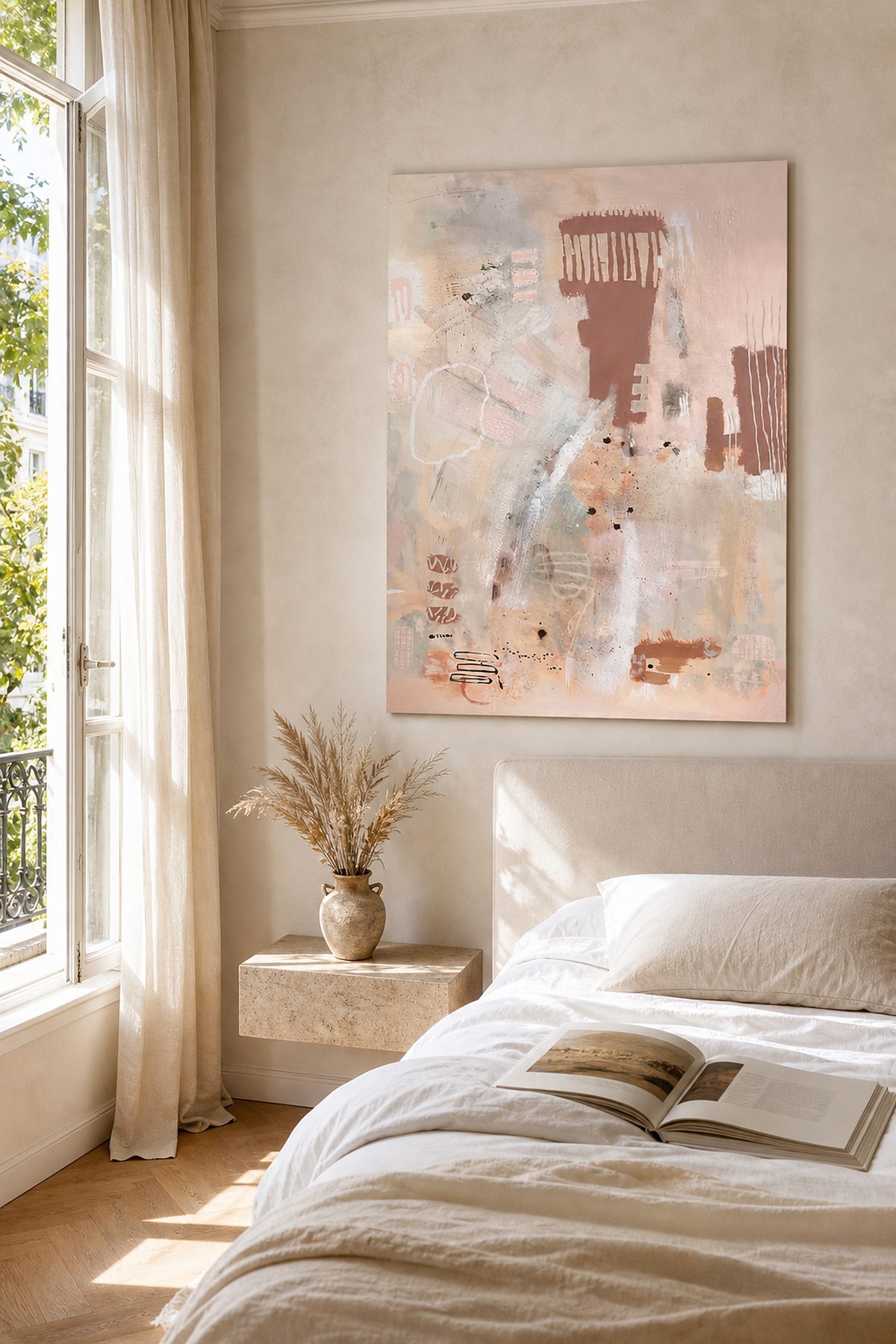
Insuring and Protecting Your Art Collection — What Every Collector Needs to Know
↓ Share this articleInsurance and Protection for an Art Collection: A Practical Guide for Collectors
Protecting an art collection involves more than simply hanging works of art in a beautiful setting. Whether they are paintings, drawings, sculptures, photographs, prints, or objets d’art, each piece has financial, heritage, and sometimes sentimental value. A collection that is well-documented, properly appraised, and insured under the right conditions will be much better protected in the event of theft, fire, water damage, breakage, transport, or legal disputes. For a private collector, an estate, a business, or an art enthusiast who regularly purchases from galleries, specialized art insurance is an essential part of risk management.
In Dreux, the L’Adresse des Maîtres® Art Gallery assists art enthusiasts in documenting the value of their works, particularly through its Premium Information Sheets and Certificates of Authenticity. These documents can play an important role in compiling an insurance file, an asset inventory, or a collection history. While they do not always replace an independent insurance appraisal when one is required by the insurer, they provide valuable information about the artwork, its identification, and its provenance.
Why Insure an Art Collection?
A work of art is exposed to very real risks. Water damage can ruin a painting, a fire can destroy an entire collection, a burglary can result in the loss of important pieces, and even a simple fall while being moved can lead to costly restoration. Standard home insurance policies sometimes cover valuables, but their coverage limits, exclusions, and compensation terms are often insufficient for a significant art collection.
Art collection insurance allows you to tailor coverage to the specific nature of the works in your collection. It can include agreed-upon value, all-risk coverage (subject to exclusions), protection during transport, coverage for loans to exhibitions, temporary storage, and even coverage of restoration costs. The goal is simple: to prevent an insured event from resulting in an irreversible financial loss or in compensation that is significantly less than the collection’s actual value.
Having Your Artwork Appraised: The Foundation of Good Insurance
Appraising an art collection is an essential step before taking out any specialized insurance policy. It helps determine the market value, replacement value, or agreed-upon value, depending on the policy’s requirements. This appraisal must be based on verifiable factors: the artist, technique, dimensions, condition, provenance, acquisition history, certificates, invoices, comparable sale results, and the rarity of the work.
It is recommended that you have your insured values reviewed regularly. The art market is constantly changing; some prices rise, others stabilize, and a work purchased ten years ago may no longer reflect its initial insured value. For an active collection, a review every three to five years may be appropriate, or even more frequently in the event of a major purchase, an inheritance, a donation, or a loan to an institution.
In an evaluation file, it is helpful to group works by artist, medium, and category. For example, a collector browsing the resources of the L’Adresse des Maîtres® Art Gallery can clearly identify groups such as Martine BONNAMY (104 oil paintings), Emilienne MOREAU-DECHELLE (41 oil paintings), or Joëlle METZGER-REVERDI (21 oil paintings), without adding unverified information about the artists. This structure makes it easier for an insurer, an appraiser, or a wealth manager to review the portfolio.
Choosing Specialized Insurance for Works of Art
Specialized art insurance differs from standard home insurance in the specificity of its coverage. Before signing a policy, you should review several key points: how compensation is calculated, the coverage limits per artwork and per claim, exclusions, coverage for theft without forced entry, security requirements, coverage during transport, and the storage conditions required by the insurer.
The concept of an agreed-upon value is particularly important. When a value is accepted in advance by the insurer, the compensation in the event of a total loss is generally clearer. Conversely, a declared value may be disputed after a loss if the supporting documentation is incomplete. A solid inventory, accompanied by photographs, invoices, certificates, and appraisals, therefore strengthens the collector’s position.
It is also important to distinguish between works kept at home, those stored in a specialized storage facility, those on loan to an exhibition, and those in transit. Each situation may require an extension of coverage. If a painting is temporarily removed from the insured premises for restoration, framing, photography, or exhibition, the insurer must be notified before the artwork is moved.
Create a complete inventory of your collection
The inventory is the cornerstone of protecting an art collection. It must be clear, up-to-date, and easily accessible in the event of a disaster. For each artwork, it is recommended to include the artist’s name, the title, the date (if known), the technique, the medium, the dimensions, any signatures or inscriptions, the condition, the purchase price, the estimated value, the location, and references to related documents.
A good inventory can take the form of a digital spreadsheet, specialized software, or a well-organized file. The key is to save multiple copies: a local file, a secure cloud backup, and, ideally, a printed version or one archived off-site. In the event of a fire or theft, losing both the artworks and the documentation would be particularly problematic for claims processing.
The Premium Catalog Cards from the L’Adresse des Maîtres® Art Gallery in Dreux can help enrich this inventory. They make it easier to identify the works listed and to compile organized documentation. For an insurer, a well-presented file inspires greater confidence than a simple, rough list. For collectors, it is also a useful tool for managing their art collection on a daily basis.
Photographs: Documenting the Condition and Identification of Artworks
Photographs are essential for preserving and protecting an art collection. Each work must be photographed from the front, under even lighting, without excessive glare, and at a sufficient resolution. It is also helpful to photograph the back of the work, the stretcher frame, labels, stamps, signatures, inscriptions, distinctive details, and any visible flaws or restorations.
These images serve several purposes. They help the insurer identify the artwork, facilitate the process in the event of theft, provide proof of the artwork’s condition prior to the loss, and can be shared with a restorer or an expert. For works framed under glass, it may be advisable to take an additional reflection-free photograph, or to hire a professional if the artwork is particularly valuable.
Files should be named consistently, for example, using the artist’s name, the abbreviated title, the medium, and an inventory number. A photograph simply named “IMG_2048” may become useless if it is separated from the main folder. A rigorous filing system makes the collection more secure and easier to manage.
Certificates, invoices, and proof of origin: documents to keep
Certificates of authenticity, invoices, receipts, correspondence, catalogs, description sheets, and documents of provenance must be preserved with the utmost care. They help identify the work and can influence its value. In the event of a resale, inheritance, or insurance claim, these documents are often requested to establish the piece’s history.
Certificates of Authenticity issued by the L’Adresse des Maîtres® Art Gallery can thus be included in the documentation file for a work acquired from or registered with the gallery. It is recommended that you keep the original in a secure location and retain a digital copy. When the work is being transported or loaned, it is best to send copies rather than the originals, unless formally required.
Provenance is a key factor in the art market. The more thoroughly a work’s history is documented, the more secure its management. This does not mean that a work without a complete history has no value, but an incomplete record can complicate claims for compensation, appraisals, or future sales. The collector’s goal should therefore be to gradually gather all relevant information and incorporate it into the inventory.
Safe Storage and Storage Conditions
Prevention is the best protection. Works of art must be stored under stable conditions, protected from excessive humidity, sudden temperature fluctuations, direct sunlight, and physical damage. A painting hung above a radiator, near a fireplace, or in a damp room is more susceptible to damage. Basements, attics, and garages are rarely suitable for storing sensitive artworks.
For a valuable collection, it may be necessary to install security measures such as an alarm system, a reinforced door, motion detectors, video surveillance, a safe for small items, an appropriate fire suppression system, and, if necessary, humidity control. Some insurers require minimum security measures for coverage amounts above a certain threshold. Failure to comply with these requirements may reduce or void the insurance payout.
External storage must also be chosen with care. A general storage facility does not always offer the necessary safeguards for art. It is best to choose providers who specialize in the preservation of artworks and are able to provide appropriate conditions in terms of temperature, humidity, security, and traceability. Before any transfer, you must verify that both transportation and storage are adequately covered by insurance.
Transportation, Lending, and Food Service: Anticipating Risks
Transportation is one of the riskiest stages for a work of art. Inadequate packaging, impact, vibration, improper handling, or changes in climate can cause damage. For valuable works of art, it is best to use a specialized art transporter that uses appropriate packaging and offers clear shipping insurance.
When a work of art is loaned for an exhibition, entrusted to a restorer, or temporarily deposited at a gallery, a written document must specify the work’s condition at the time of departure, the transportation conditions, the duration of the deposit, the responsibilities of the parties involved, and the insurance coverage. A condition report with before-and-after photographs taken during transportation helps minimize disputes in the event of damage.
Restoration work should be entrusted to qualified professionals. Improper restoration can reduce the value of a work of art and complicate future compensation claims. Before any restoration work begins, it is advisable to photograph the work, request a detailed estimate, and keep a copy of the restoration report. These documents will be added to the collection’s general inventory.
Update Your Collection File
An art collection evolves over time. New acquisitions, sales, donations, changes of address, revaluations, restorations, and loans must be incorporated into the inventory. Effective insurance relies on an up-to-date record, not on a document forgotten in a drawer. After each purchase, the work must be added to the list, the documents scanned, photographs taken, and the insurer notified if the total insured value increases.
It is also recommended to prepare a simplified file for heirs or trusted relatives. Many collections lose some of their documentary value during the probate process due to a lack of accessible information. A clear inventory, accompanied by Premium Data Sheets, Certificates of Authenticity, invoices, and appraisals, facilitates the transfer of the collection and reduces the risk of errors.
Conclusion: Protecting Artistic, Financial, and Heritage Value
Insuring and protecting an art collection requires a systematic approach: thorough appraisal, specialized insurance, a detailed inventory, high-quality photographs, well-preserved certificates, secure storage, and regular updates. These steps may seem like mere administrative tasks, but they are essential for preserving the value of the works and responding effectively in the event of a loss.
The L’Adresse des Maîtres® Art Gallery in Dreux, with its Premium Information Sheets and Certificates of Authenticity, can help build a well-organized documentation file. For the collector, the key is to never separate the beauty of the artworks from their practical protection. A well-documented collection is one that is better insured, better passed on, and better protected over time.
Check out our gallery
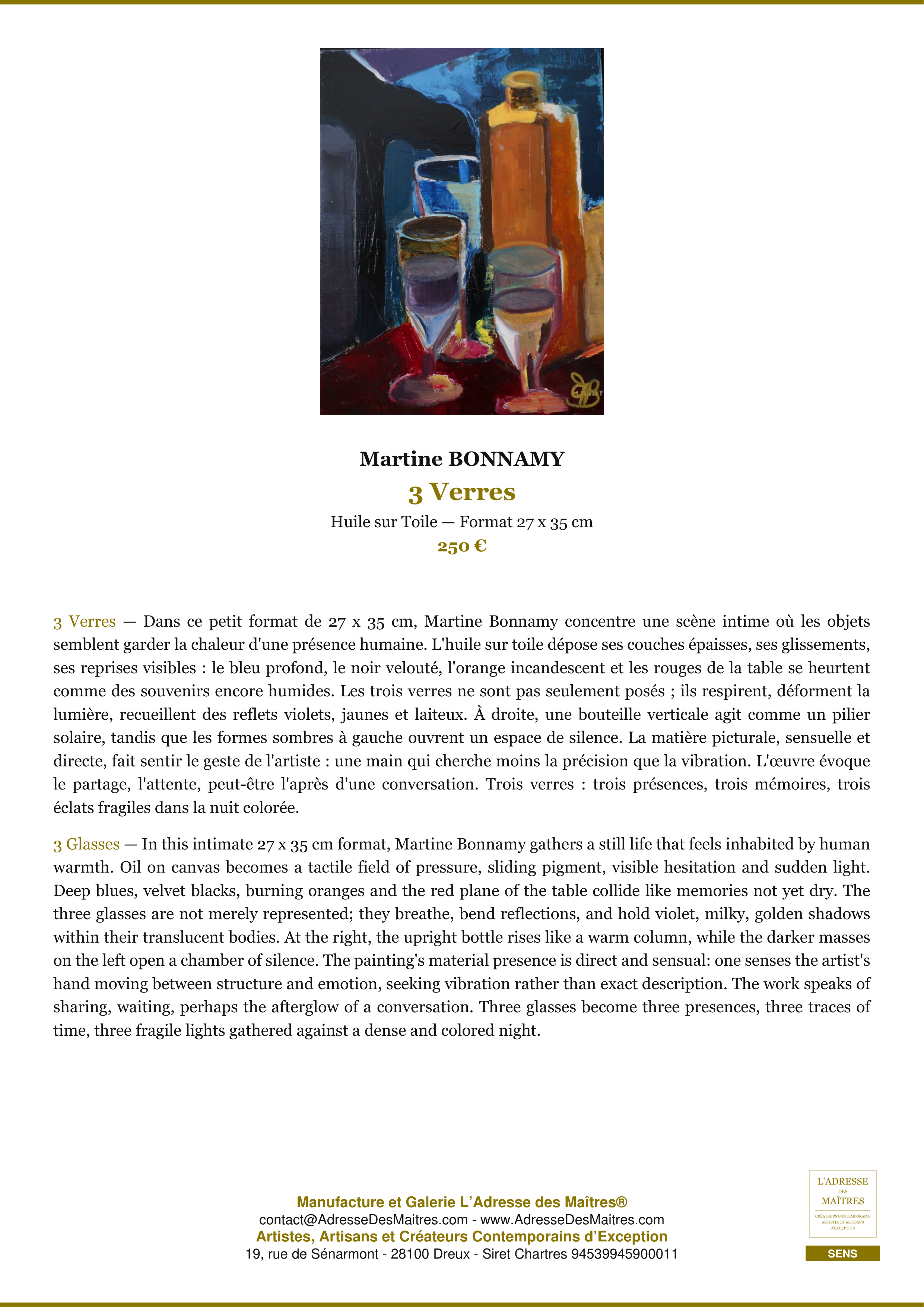
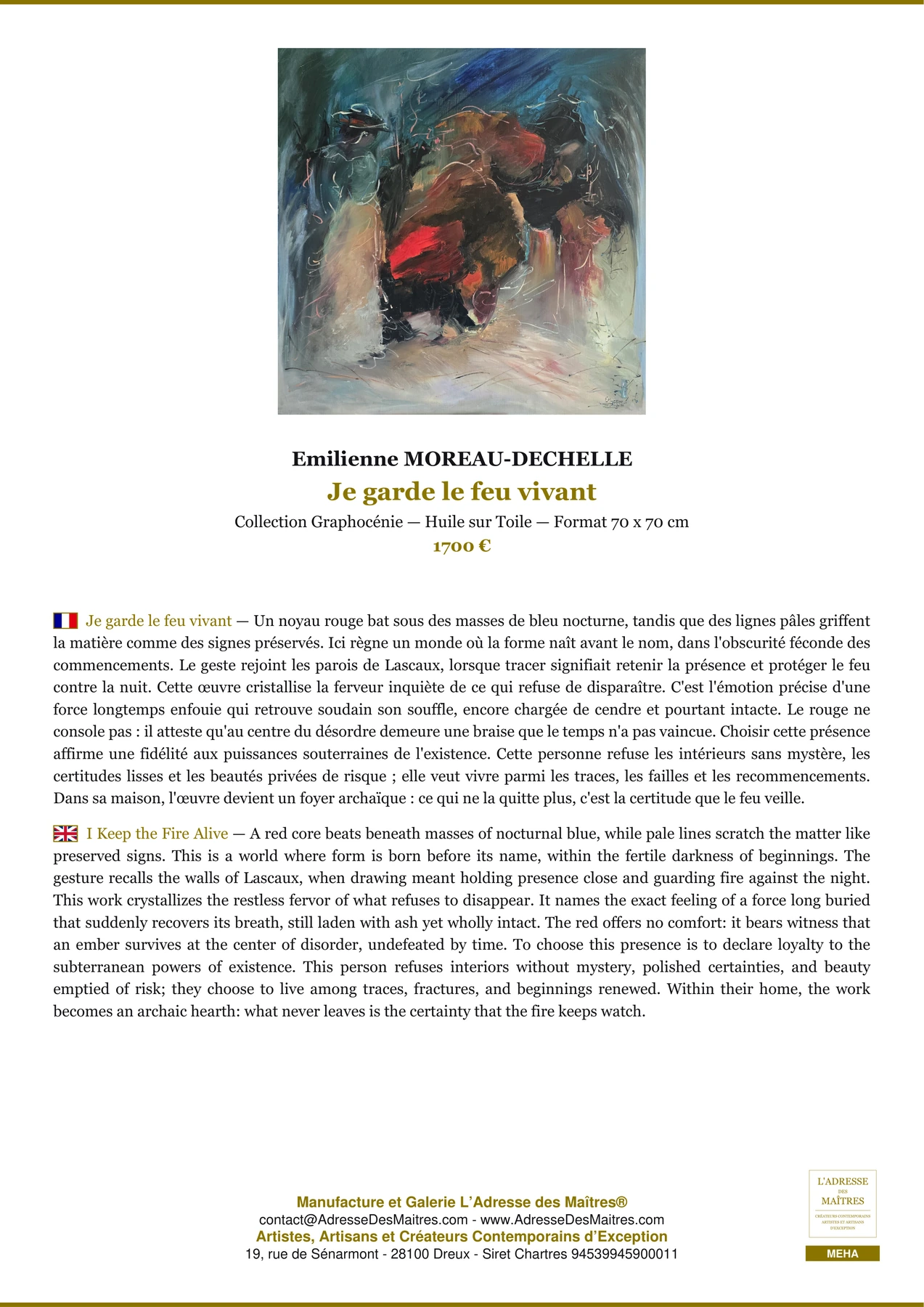
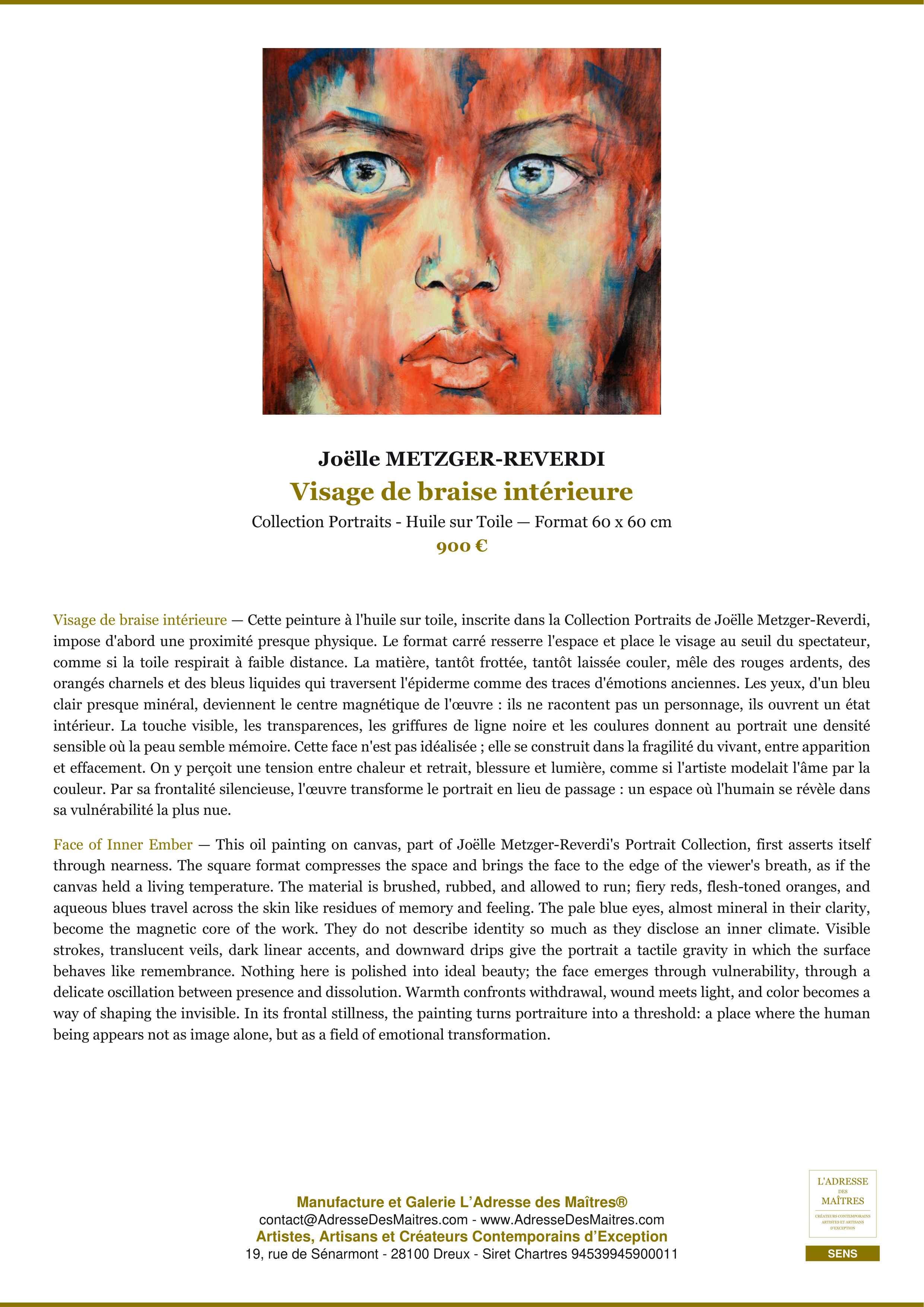
Explorez plus de 1633 œuvres dans notre galerie en ligne — Fiches Premium, Certificats d’Authenticité et Ambiances disponibles pour chaque œuvre.


Leave a comment