The Certificate of Authenticity — Why Is It Essential?
↓ Share this articleThe certificate of authenticity for a work of art: an essential document for buying, selling, and bequeathing with confidence
In the art market, the certificate of authenticity plays a central role. Whether the work is a painting, a sculpture, a lithograph, an engraving, or a contemporary piece, this document is crucial to the work’s recognition, traceability, and valuation. For a collector, art lover, or investor, having a reliable certificate is not merely an administrative formality: it is an important guarantee that secures the acquisition and facilitates future resale.
At a time when the exchange of artworks is on the rise in galleries, online, and among private individuals, authenticity has become a major concern. A reliable certificate of authenticity allows the artwork to be identified, linked to its creator or rightful owner, and reassures the buyer about the work’s provenance. In this sense, it is one of the pillars of trust in the art market.
What is a certificate of authenticity for a work of art?
A certificate of authenticity is a written document that certifies that a work of art is indeed attributed to a specific artist. It accompanies the work when it is sold or transferred and provides specific information that clearly identifies it. Its purpose is to eliminate any doubt regarding the work’s provenance and to provide concrete evidence of its authenticity.
In practice, a good certificate of authenticity generally includes the artist’s name, the title of the work, the medium, the dimensions, the material, the date of creation (if known), as well as any relevant details: edition number for a limited edition, a photograph of the work, a signature, a stamp, provenance, or history. It may be issued by the artist themselves, by the gallery representing the artist, by an expert, an auctioneer, a publisher, or by the rights holders, depending on the circumstances.
It is important to understand that a certificate of authenticity is more than just a simple sheet of paper attached to the artwork. Its value depends on the credibility of the issuer, the accuracy of the information it contains, and the ability to unambiguously link the document to the artwork in question. An imprecise, unsigned certificate, or one lacking verifiable details, has far less significance than a detailed and traceable certificate.
Why is a certificate of authenticity essential?
The first reason is obvious: it protects the buyer. In the art world, a work’s appearance is never enough to guarantee its provenance. A signature can be forged, a work can be misattributed, and some reproductions can be mistaken for originals. A certificate of authenticity therefore provides a form of documentary assurance that minimizes the risk of error, fraud, or litigation.
The certificate is also essential for preserving the artwork’s market value. A work accompanied by a credible certificate generally sells more easily than one without an authentication document. Galleries, auction houses, insurers, and collectors place great importance on traceability. In the event of an estate, a gift, an appraisal, or a resale, the presence of the certificate greatly simplifies the process.
Another key point is that the certificate contributes to the work’s history. It helps establish its provenance—that is, the chain of ownership and the documents that trace its history over time. Provenance is a fundamental criterion in the art market. The better documented a work is, the more confidence it inspires, and the greater its potential for appreciation.
Finally, a certificate of authenticity can play a decisive role in insurance matters. When declaring a work of art, substantiating its value, or supporting a claim for compensation in the event of a loss, it is often necessary to provide specific documentation. The certificate thus becomes a useful—and sometimes indispensable—tool for establishing the existence and identity of the work.
What should a reliable certificate of authenticity include?
A reliable certificate of authenticity must be clear, comprehensive, and consistent. First and foremost, it must allow the artwork to which it refers to be easily identified. This requires the inclusion of several specific details: the artist’s name, the title or description, the technique used, the exact dimensions, the medium, the year or period of creation, and, if possible, a color photograph of the artwork. The more detailed the description, the stronger the link between the artwork and the certificate.
The document must also state the identity of the issuer: artist, gallery, expert, publisher, or rights holder. A signature, a stamp, a professional letterhead, and verifiable contact information naturally enhance its credibility. In the case of a multiple work, such as a lithograph or a silkscreen print, it is recommended to include the edition number and the size of the print run.
Some high-end certificates also incorporate additional security features: special paper, unique serial numbers, holograms, QR codes, seals, references to internal records, or registration in a database. These measures help prevent forgery and improve traceability over time.
How do you verify a certificate of authenticity?
Before making any purchase, it is wise never to rely solely on the presence of a certificate. You should also verify that the information is consistent. Start by comparing the details in the document with the artwork itself: dimensions, medium, signature, edition number, overall condition, and subject matter. Any discrepancies should raise a red flag.
Next, take a close look at the issuer of the certificate. Can they be identified? Do they truly represent the artist? Is it a reputable gallery, a qualified expert, or a legitimate rights holder? If necessary, contact the issuer directly to confirm the document’s authenticity. This simple step can often help you avoid disappointment.
Provenance must also be carefully examined. Purchase invoices, gallery records, exhibition histories, catalogs, publications, and past appraisals are valuable supplementary sources of information. A certificate on its own, without any other supporting documentation, is less reassuring than a coherent body of evidence.
If you have any doubts about the authenticity of a valuable artwork, it is advisable to seek the opinion of an art market professional. A specialized gallery, an independent expert, or an auctioneer can examine the documentation, the artwork itself, and its provenance. This verification is particularly important for established or sought-after artists, whose works are more frequently subject to forgeries or misattributions.
Beware of fake certificates and documents that are too vague
The art market is not immune to forged documents. Some certificates are fabricated to lend an air of legitimacy to questionable works. Others are so vague that they offer no real assurance. A generic document—lacking a detailed description, an identifiable signature, a date, or contact information—should be viewed with caution.
One should also be wary of ambiguous wording. A certificate may sometimes use phrases such as “in the style of,” “attributed to,” “associated with,” or “based on.” These terms have specific meanings in art history, but they do not constitute a formal authentication by the artist. Buyers should therefore read each term carefully.
The best protection is to purchase from a reputable dealer who can provide complete documentation and clearly answer questions about the work’s provenance. A reputable gallery stakes its reputation on the quality of the works it offers and the reliability of the certificates it provides.
Premium Certificates from the L’Adresse des Maîtres® Art Gallery in Dreux
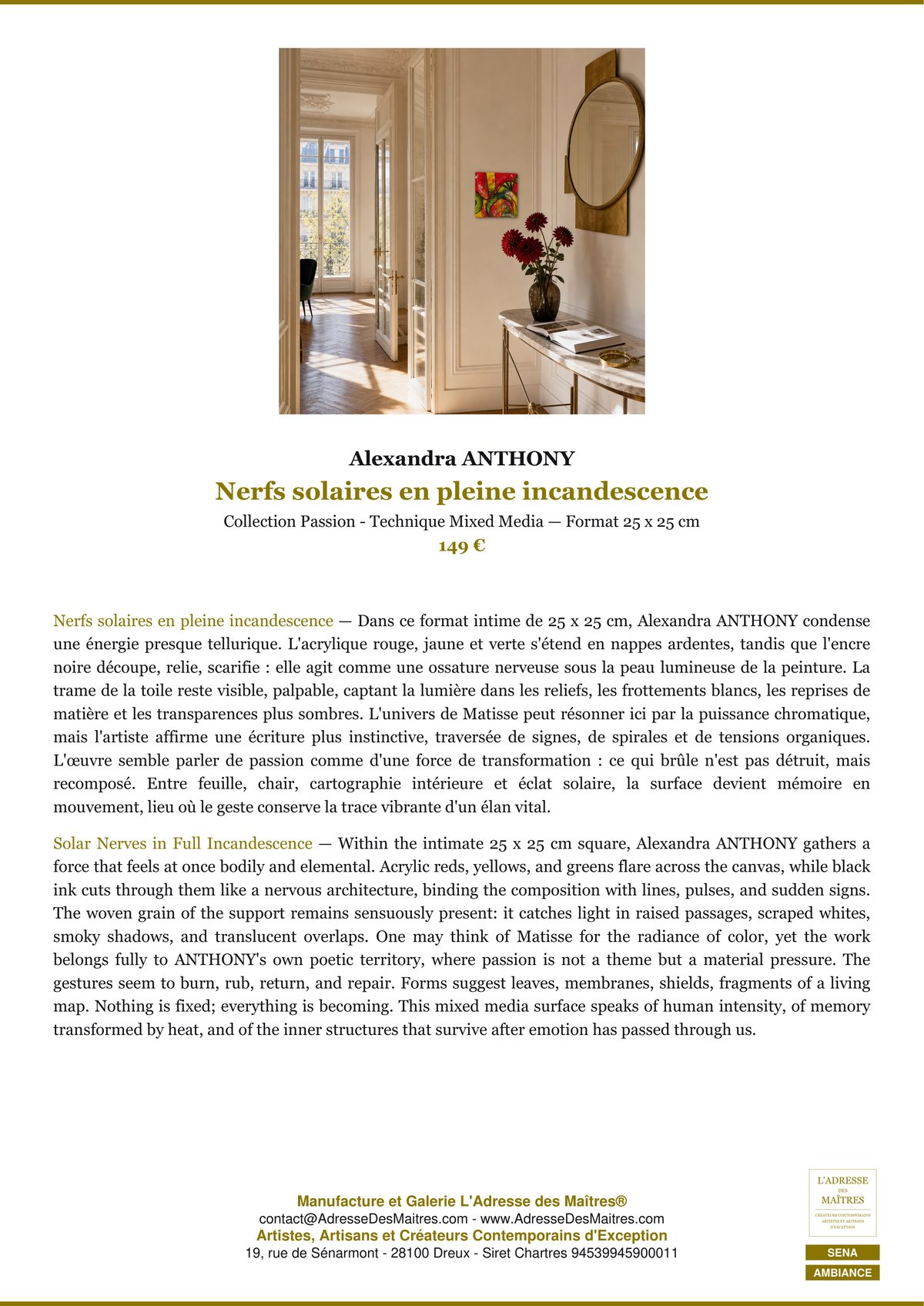
In keeping with this commitment to high standards and trust, the L’Adresse des Maîtres® Art Gallery in Dreux pays particular attention to the documentation of the works it offers. Its Premium Certificates have been designed to provide collectors and art lovers with an enhanced level of assurance, featuring precise information and a meticulous presentation.
These Premium Certificates are designed to provide clear and professional documentation for the artwork, making it easier to identify and track. For the buyer, this is a real advantage: they receive a valuable document that is useful for maintaining personal records, for a potential resale, for estate planning, or for insurance purposes.
When you choose a work of art from the L’Adresse des Maîtres® Art Gallery in Dreux, you are also choosing a reassuring environment where authenticity, reliable information, and dedicated support are of the utmost importance. In a market where trust is paramount, this type of premium certificate offers tangible added value to every buyer.
Why is it important to keep your certificate of authenticity in a safe place?
Once the artwork has been acquired, it is essential to store the certificate of authenticity under proper conditions. This document must be protected from moisture, excessive light, and repeated handling. It is recommended to store it separately from the artwork, while keeping both a digital copy and a backup hard copy.
In the event of a loss, the situation can become more complicated, especially if the artist is no longer alive or if the original gallery has closed. It is therefore advisable to keep a record of all documents related to the purchase from the outset: certificate, invoice, correspondence, photographs, and any other evidence of provenance. This meticulous record-keeping directly contributes to the work’s long-term value.
Conclusion: A key document for the credibility and value of the work
A certificate of authenticity is much more than just a simple accompanying document. It serves as essential proof of integrity, transparency, and traceability in the art world. For the buyer, it provides assurance regarding the purchase. For the collector, it supports the work’s value. For heirs or future buyers, it simplifies the process and builds trust.
Before purchasing a work of art, it is therefore essential to consider the quality of the certificate provided, the identity of its issuer, and the consistency of the information contained therein. With this in mind, the Premium Certificates issued by the L’Adresse des Maîtres® Art Gallery in Dreux are part of a rigorous process designed to offer art lovers a safer, more transparent, and better-documented purchasing experience.
In the art market, aesthetic appeal is fundamental, but it must always be backed by solid guarantees. A certificate of authenticity is precisely one of the best tools for purchasing a work of art with confidence and ensuring its long-term value.
Check out our gallery
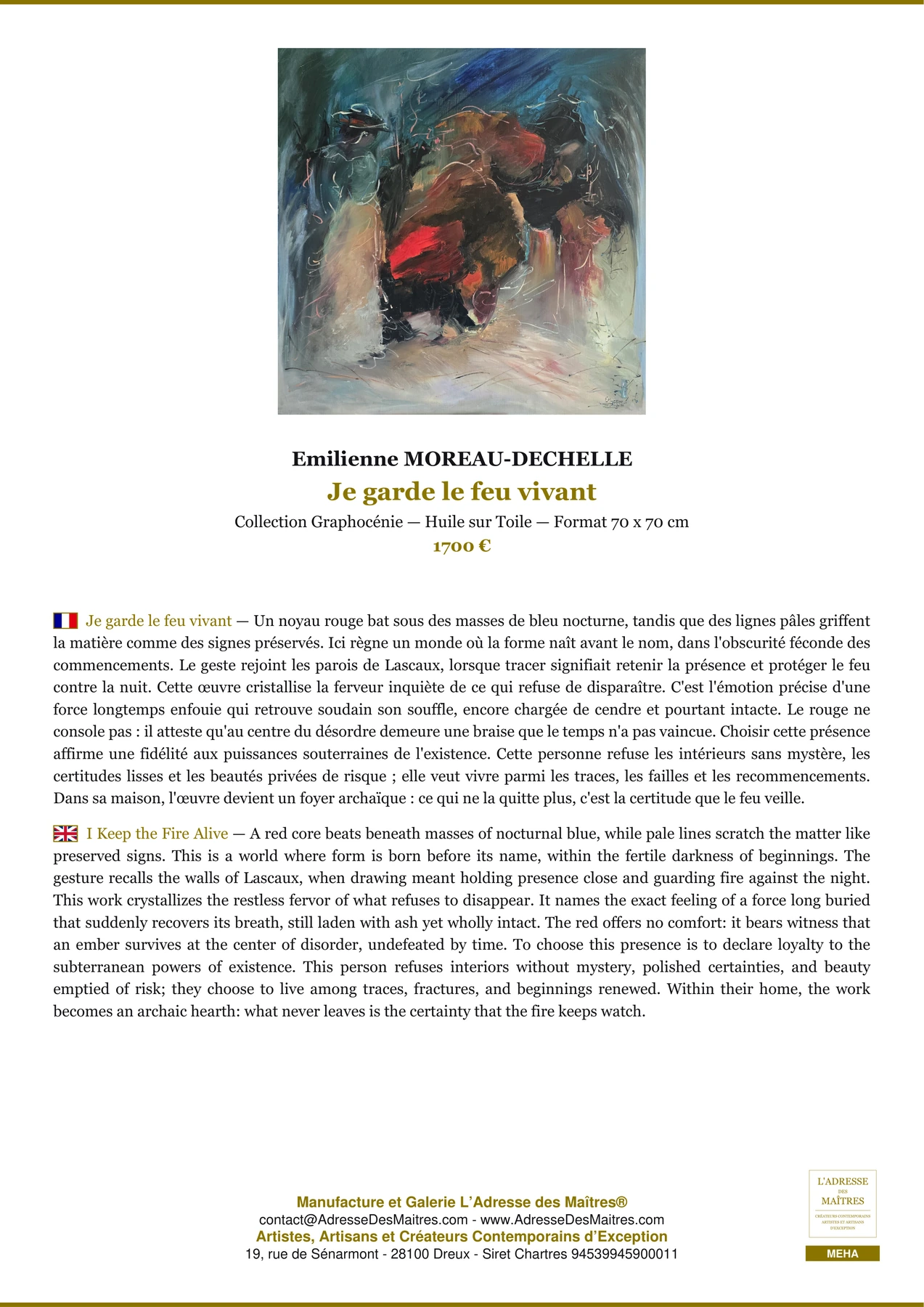
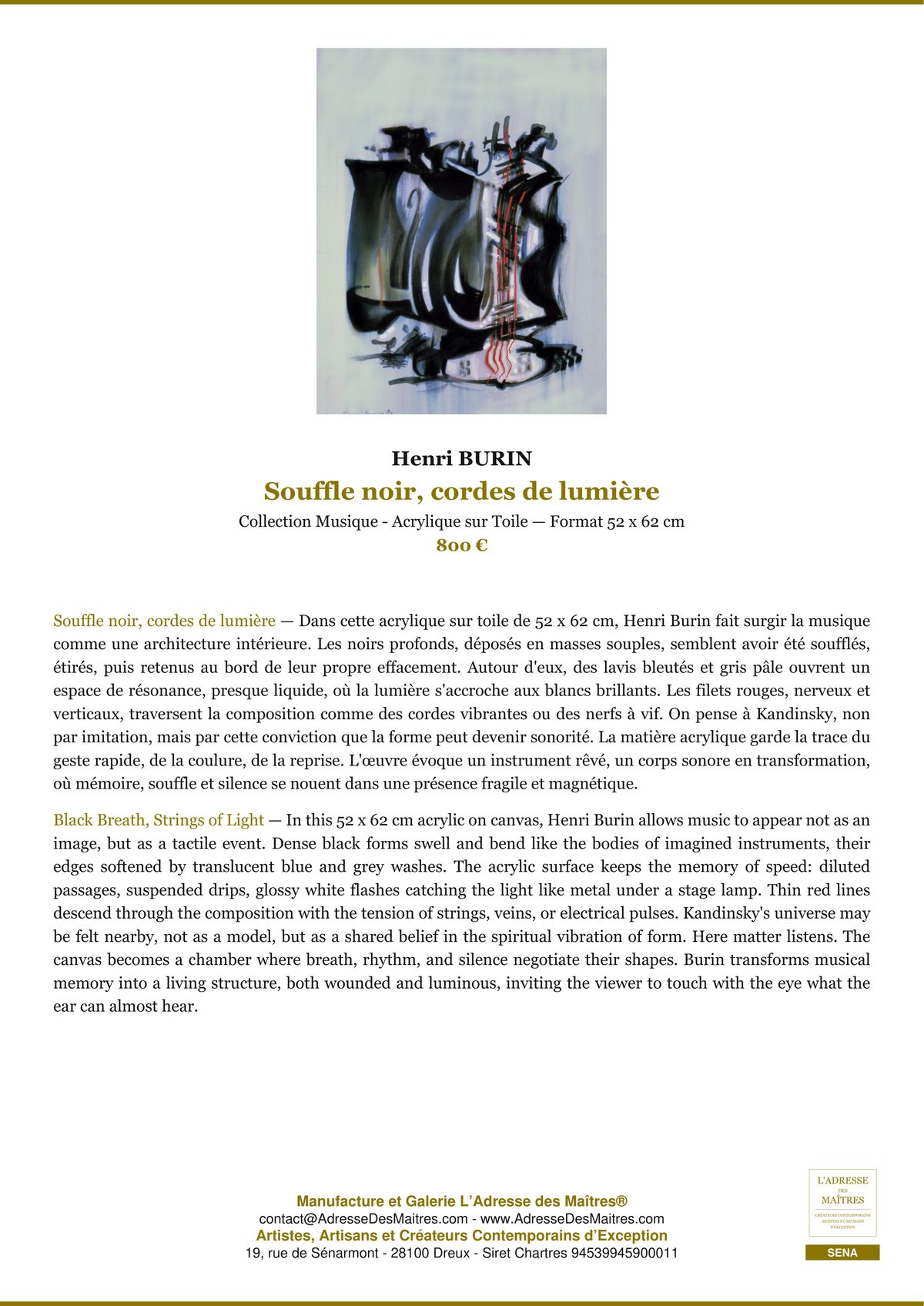
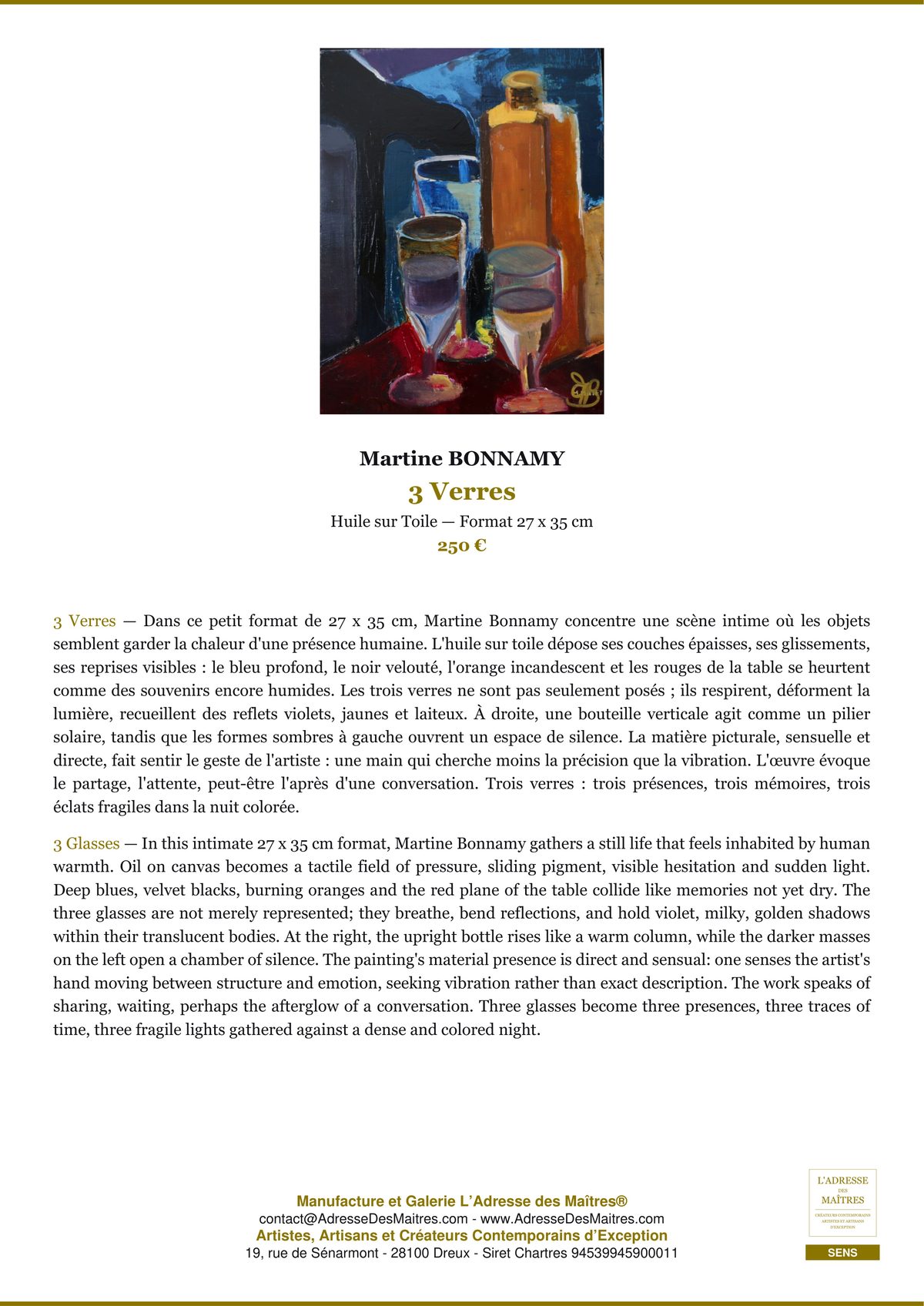
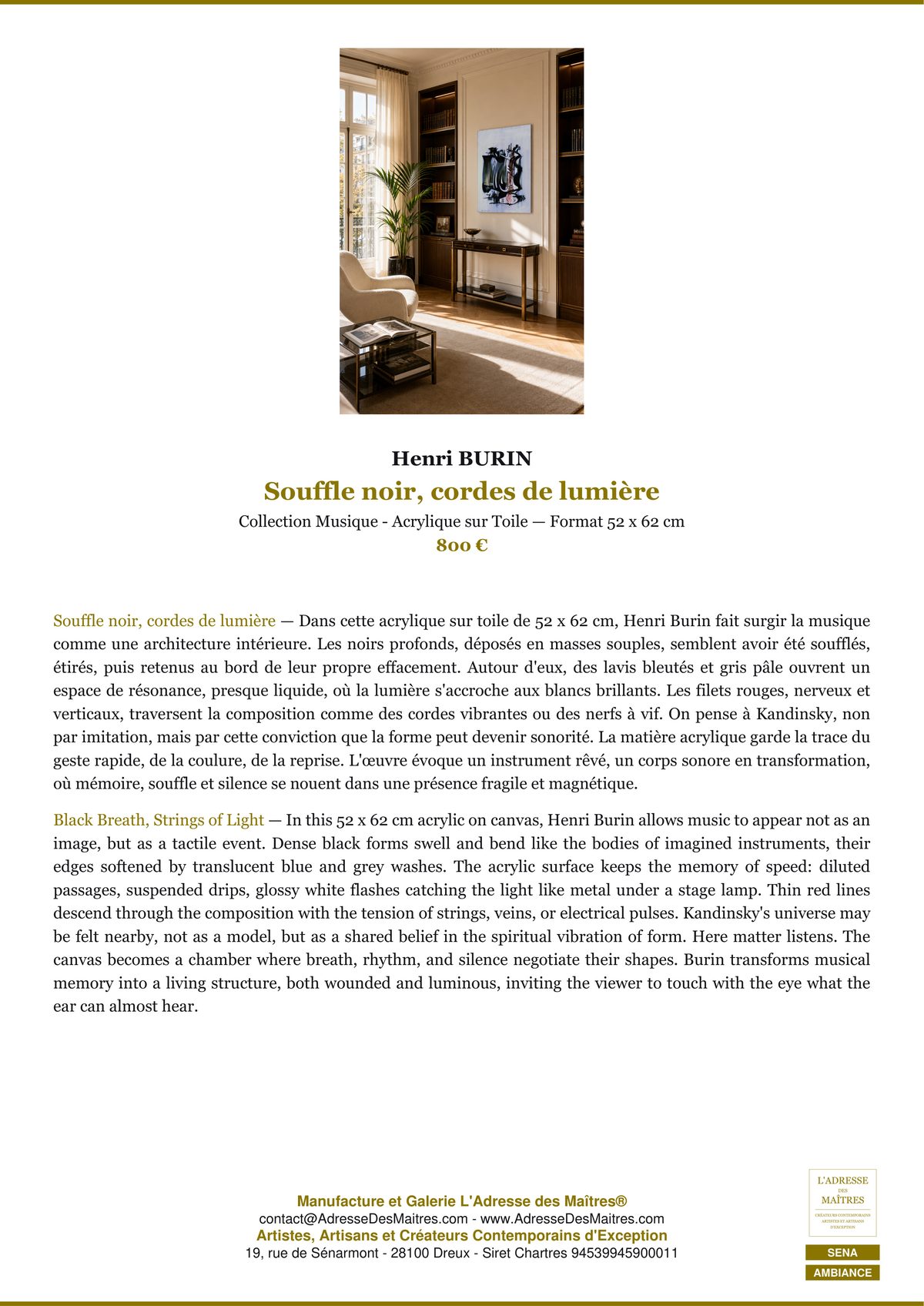
Explorez plus de 1636 œuvres dans notre galerie en ligne — Fiches Premium, Certificats d’Authenticité et Ambiances disponibles pour chaque œuvre.

Leave a comment