

Impressionism — From Scandal to Universal Masterpiece
↓ Share this articleImpressionism: An Artistic Revolution That Changed the Course of Art History
Impressionism occupies a central place in the history of Western painting. Originating in France in the 19th century, this movement profoundly transformed the way the world, light, and modern life were depicted. Even today, Impressionist painting continues to fascinate both art lovers and collectors alike, and its influence is felt even incontemporary art. Whether in galleries, museums, or on the art market, Impressionism continues to embody a sense of freedom, sensitivity, and visual innovation.
To understand this legacy, we must look back at its turbulent origins, its innovative techniques, its leading figures, and its artistic legacy. This article offers an educational journey to help readers better recognize, appreciate, and contextualize Impressionism within the history of art.
The Salon des Refusés scandal (1863) and the birth of the movement
In the mid-19th century, the French art scene was dominated by the official Salon, organized under the authority of the Academy of Fine Arts. At that time, being accepted into the Salon was essential for gaining recognition, securing commissions, and achieving success. However, the juries favored academic painting based on noble subjects, a smooth finish, and compositions that adhered to traditional rules.
In 1863, an unusually large number of works were rejected by the jury. Faced with discontent among artists and the public, Napoleon III authorized the organization of a parallel exhibition: the Salon des Refusés. This event became a pivotal moment in art history. Visitors often went there to mock the works, but they also discovered pieces that were radically different, breaking with prevailing conventions.
The most iconic painting associated with this scandal is undoubtedly Édouard Manet ’s *Luncheon on the Grass *. Although Manet was not, strictly speaking, an Impressionist in the strictest sense, his boldness paved the way for an entire generation of painters determined to break free from academic norms. Around him, young artists such as Claude Monet, Pierre-Auguste Renoir, Edgar Degas, Berthe Morisot, Camille Pissarro, and Alfred Sisley sought a new way of painting.
The term “Impressionism” first appeared a few years later, in 1874, during the group’s first exhibition. A critic named Louis Leroy mocked Monet’s painting *Impression, Sunrise* and used the word “Impressionist” ironically. The name stuck. What began as a criticism became the banner of a major movement.
Revolutionary techniques: visible touch, natural light, outdoors
If Impressionism caused such a revolution, it was primarily because of its approach to painting. Impressionist artists no longer sought to reproduce reality with academic precision. They wanted to capture an immediate visual sensation—the fleeting effect of light, the movement of the air, the atmosphere of a single moment.
The first striking feature is the visible brushwork. Unlike academic painting, which erases brushstrokes to create a smooth surface, Impressionist painting leaves the brushstrokes visible. The texture becomes vibrant and alive. Viewed up close, the image may appear fragmented; viewed from a distance, it comes together optically in the viewer’s eye.
Another major innovation was the emphasis placed on natural light. The Impressionists understood that colors change depending on the time of day, the season, the weather, and the surroundings. A shadow is not simply black or gray: it can be blue, purple, green, or pink. The artists therefore used a lighter, bolder palette, gradually moving away from the dark contrasts inherited from tradition.
Painting outdoors was also a revolution. Thanks to the invention of flexible paint tubes, which were easier to carry, artists could leave the studio to paint directly in nature—by the water, in gardens, on the streets, or in the countryside. This practice allowed them to capture the fleeting changes in the sky, water, or foliage. Monet, in particular, took this exploration very far with his series devoted to waterwheels, poplars, and Rouen Cathedral, painted at different times of the day.
Finally, the Impressionists turned their attention to modern life: train stations, cafés, boulevards, scenes of leisure, dancing, performances, and strolls. They painted their own era, rather than just grand historical or mythological narratives. In this way, they were already foreshadowing a sensibility that would have a lasting influence oncontemporary art.
The Masters of Impressionism
Claude Monet is undoubtedly the most iconic figure of Impressionism. Obsessed with light and its ever-changing qualities, he worked in series and tirelessly explored atmospheric effects. His landscapes, seascapes, and later his famous Water Lilies have left an indelible mark on the history of painting. In Monet’s work, the subject depicted is sometimes less important than the impression of light it creates.
Pierre-Auguste Renoir brought a more sensual and human dimension to the movement. He loved figures, portraits, scenes of conviviality, and moments of shared happiness. His paintings are distinguished by a warm color palette, a supple brushstroke, and a keen attention to faces, flesh tones, and fabrics. *The Dance at the Moulin de la Galette* perfectly embodies this radiant joy of Parisian life.
Edgar Degas holds a special place. Less drawn to plein air painting than other Impressionists, he was primarily interested in interiors, dancers, horse races, women bathing, and bold compositions inspired by photography and Japanese art. His sense of movement, his ability to capture the fleeting moment, and his modern approach to composition make him a key figure within the group.
Berthe Morisot was one of the movement’s leading pioneers. Her work, long underappreciated, reveals immense subtlety. She excelled at depicting intimacy, female figures, children, gardens, and domestic scenes. Her free, light, and vibrant brushwork perfectly captures the Impressionist spirit. It also serves as a reminder of the essential role women have played in the history of art.
Paul Cézanne, often associated with Impressionism in his early years, gradually moved away from it to develop a more structured approach. He retained his interest in color and light, but sought to “paint like Poussin from life,” that is, to give forms a new sense of solidity. His work would bridge the gap between Impressionism and 20th-century modernism, extending all the way to Cubism. His importance to the movement’s legacy is therefore paramount.
How to recognize an Impressionist painting
To recognize an Impressionist painting, you need to consider the technique, the subject, and the overall effect of the work. There are several clues that can help you.
First, look at the brushwork. In an Impressionist painting, the brushstrokes are often quick, visible, and placed side by side. The surface appears lively, sometimes almost unfinished by academic standards. This apparent spontaneity is, however, the result of careful craftsmanship.
Next, observe the light. Impressionism focuses less on drawing precise outlines and more on capturing the effects of light. Colorful shadows, reflections on the water, shifting skies, and atmospheric vibrations are key elements.
The subject matter serves as another point of reference. The Impressionists frequently painted landscapes, gardens, scenes of leisure, train stations, riverbanks, cafés, and moments of everyday life. These are often simple, contemporary scenes with no apparent heroic significance.
The composition can also appear modern, as if the image were capturing a fleeting moment. Some figures are cropped, off-center, or depicted in motion, creating a sense of spontaneity. This aspect is particularly evident in Degas’s work.
Finally, an Impressionist painting often conveys a sense of immediacy. It does not seek to explain or describe everything in detail. It suggests, evokes, and conveys a feeling. The viewer’s eye completes what the brush has merely sketched out.
The Influence on Contemporary Art: Post-Impressionism and Neo-Impressionism
Impressionism did not merely transform the art of its time; it also paved the way for many modern movements. Its legacy is immense, both in terms of its approach to color and in the freedom of its brushwork and the independence of its artistic vision.
Post-Impressionism refers to several artistic approaches that built upon or moved beyond Impressionism in the late 19th century. Artists such as Vincent van Gogh, Paul Gauguin, and Cézanne drew on certain elements of the movement but applied them in different ways. Van Gogh intensified the emotional impact of color and line. Gauguin simplified forms and emphasized symbolic power. Cézanne, for his part, structured space and paved the way for the development of Cubism. Post-Impressionism demonstrates that Impressionism is not an end in itself, but a starting point.
Neo-Impressionism, led by Georges Seurat and Paul Signac, took the study of color even further. Inspired by scientific theories, these artists developed the technique of Divisionism, or Pointillism: small strokes or dots of pure color are placed side by side to produce an optical blend when viewed from a distance. This method differs from Impressionist spontaneity, but it builds on the Impressionists’ exploration of visual perception.
Incontemporary art, the influence of Impressionism remains evident. Many artists continue to explore the effects of light, sensation, landscape, visual memory, and the fragmentation of the brushstroke. Even when forms become abstract or conceptual, the idea that painting can convey a perception rather than merely reproduce reality stems in part from Impressionism.
It could also be said that Impressionism helped legitimize the painter’s freedom from established rules. This emancipation is one of the foundations of modern art, and later ofcontemporary art. In this respect, its legacy extends far beyond the 19th century.
Collectors of Impressionist art today
Today, Impressionism remains one of the most sought-after genres in the art market. Masterpieces by Monet, Renoir, Degas, and Morisot fetch considerable sums at international auctions. But beyond the record-breaking prices, collectors’ interest is also driven by the enduring popularity of this luminous and accessible style.
Collectors of Impressionist art fall into several categories. Some seek out museum-quality works that are rare and historically significant. Others focus on artists associated with the movement, as well as drawings, prints, or smaller-scale works that are more affordable. There is also a growing interest in female artists, particularly Berthe Morisot and Mary Cassatt, whose recognition has continued to grow.
In this context, the role of the art gallery remains essential. It guides art lovers, helps them make informed choices, and provides expertise on provenance, authenticity, condition, and a work’s place in art history. For enthusiasts seeking to deepen their understanding of the pictorial tradition and its evolution, specialized venues offer an ideal setting for discovery and knowledge-sharing.
In this regard, the L’Adresse des Maîtres® Art Gallery in Dreux is part of this effort to highlight major artistic movements. Such an art gallery contributes to the dissemination of visual culture, public awareness, and the dialogue between heritage, creation, and collecting. For lovers ofImpressionism, it also serves as an intriguing anchor point in an artistic landscape where the history of painting continues to inspire contemporary perspectives.
Why Impressionism Still Resonates with Us
If Impressionism remains so vibrant, it is undoubtedly because it speaks directly to our perception. It teaches us to observe the play of light, ordinary moments, and the subtle changes in nature and the city. It transforms everyday life into an aesthetic experience.
This movement also has universal significance: it reminds us that art is not merely imitation, but a sensory interpretation of reality. Through Impressionist painting, the viewer rediscovers the world as a tapestry of sensations, rhythms, and colors. This lesson remains fundamental, even incontemporary art.
From its rejection at the official Salon to its widespread acclaim today, Impressionism has come a long way. Born out of scandal, it has become one of the world’s most beloved artistic movements. Understanding its history, techniques, and legacy provides deeper insight into the evolution of modern art and the central role of sensitivity in the creative process.
For museum visitors, art gallery enthusiasts, and collectors alike, Impressionism remains an invitation to see things differently: not a static world, but a world in the process of coming into being.
Check out our gallery
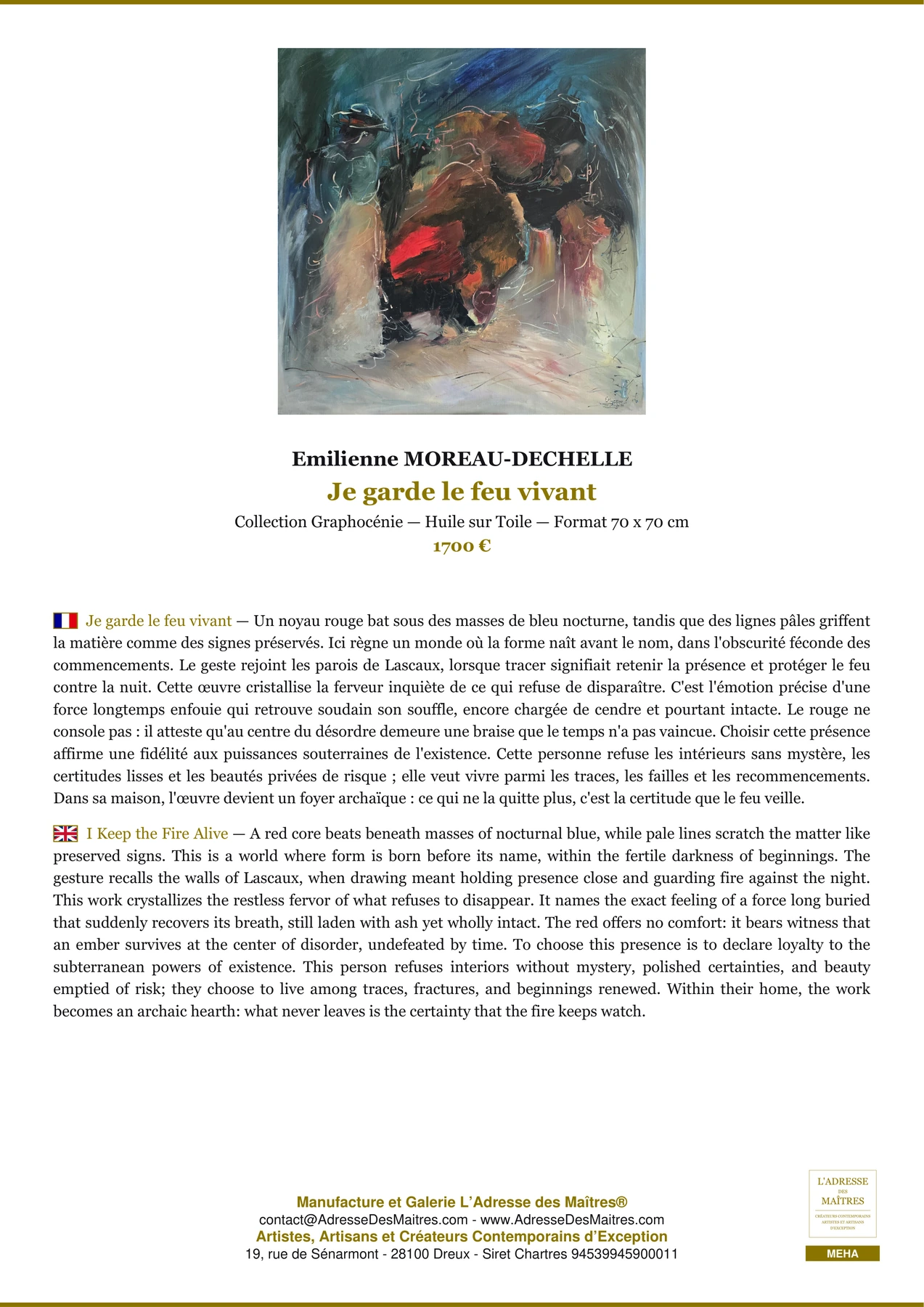
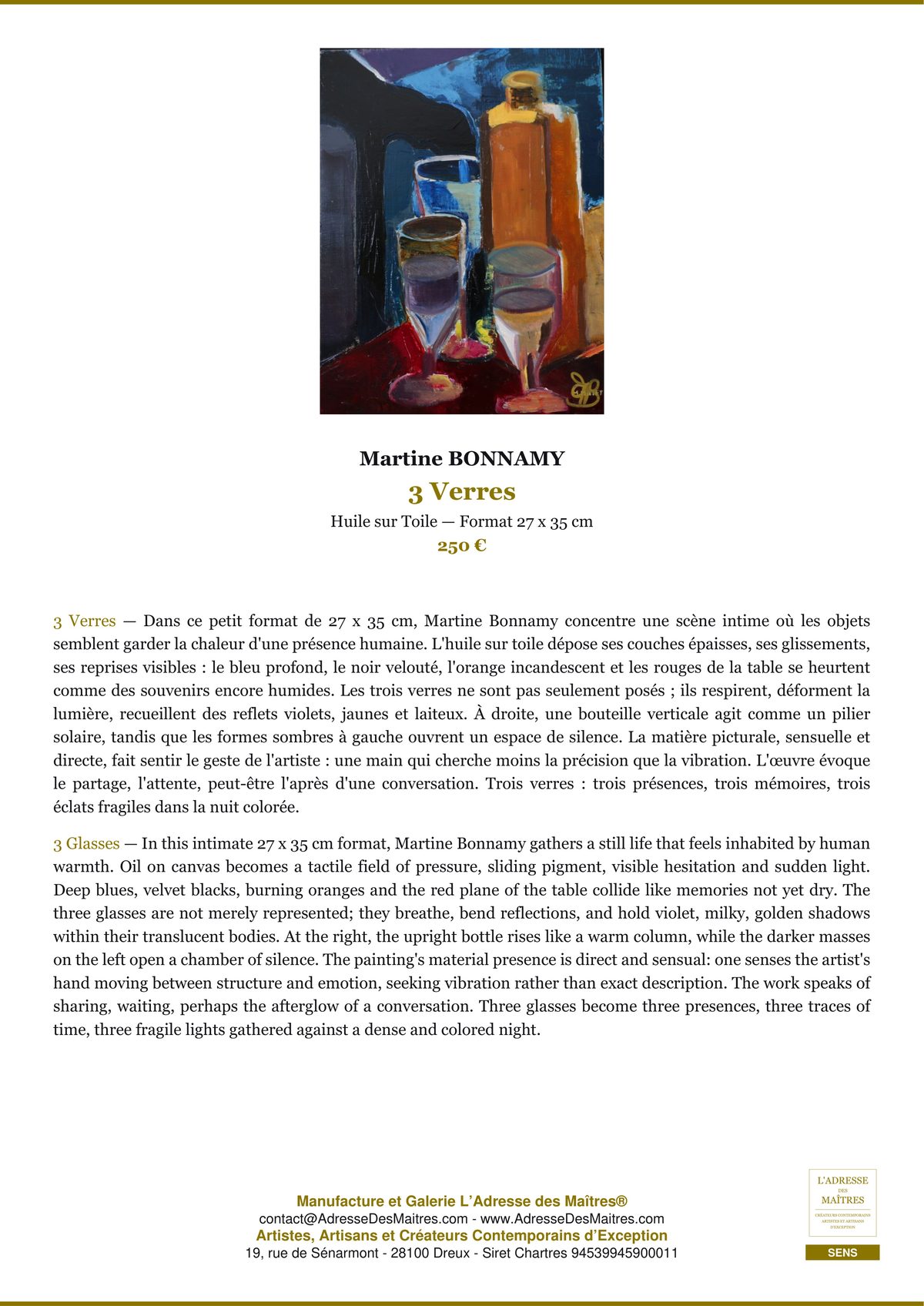
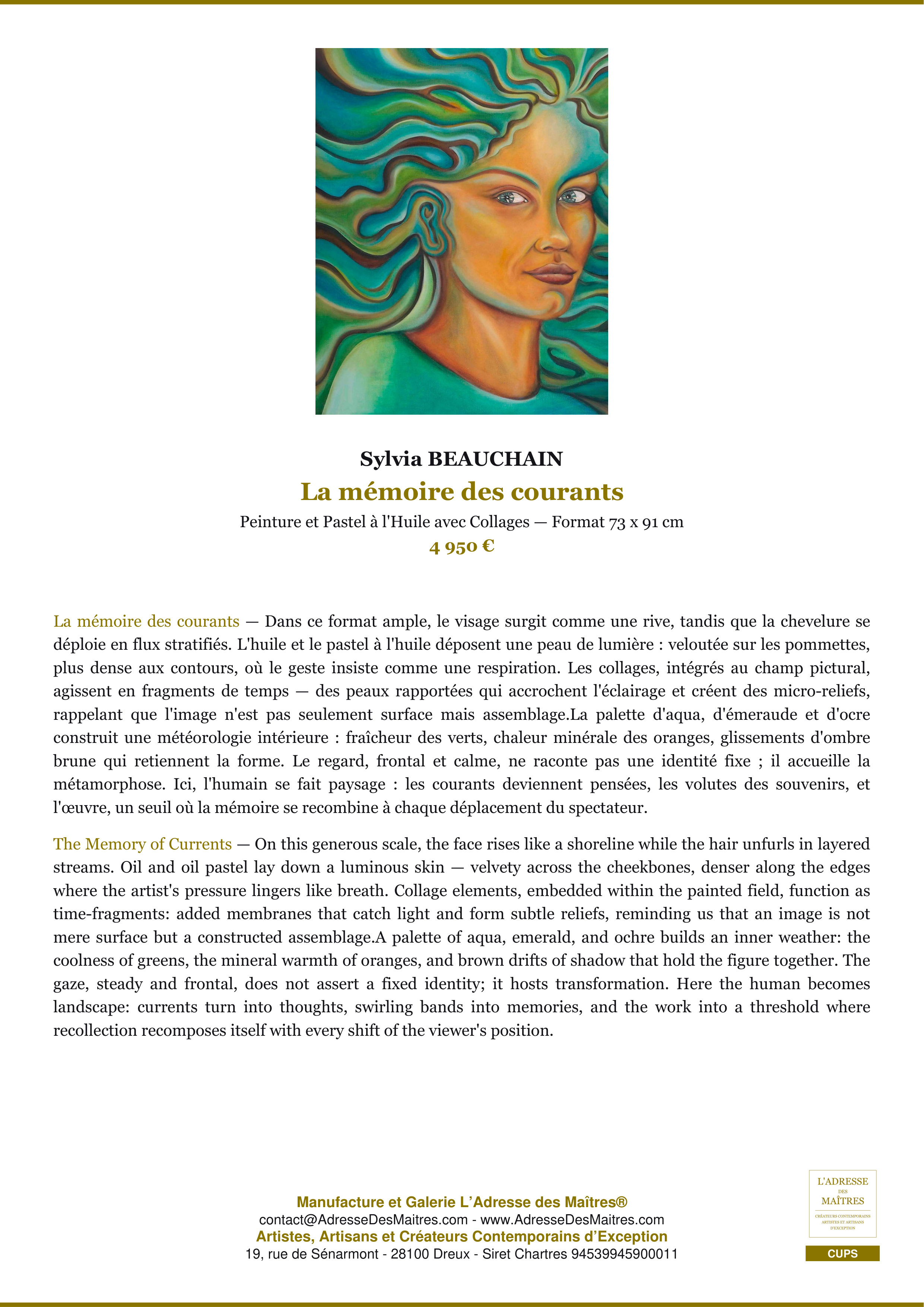
Would you like to experience these artistic movements in person? Visit the online gallery of L’Adresse des Maîtres®—more than 606 original works by contemporary artists.


Leave a comment