

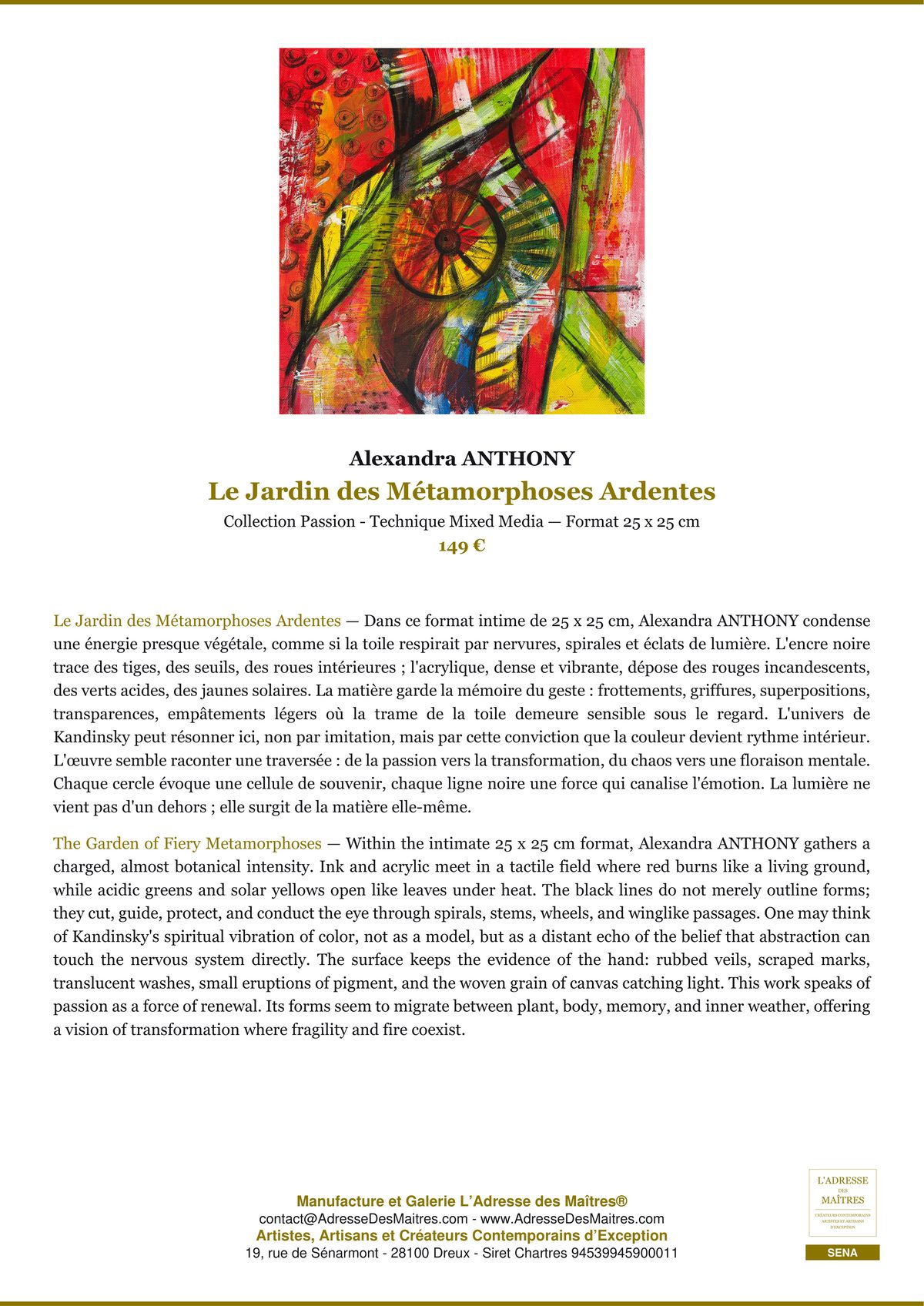
How to Choose a Work of Art — A Complete Guide
↓ Share this articleHow do you choose a piece of art for your home?
Choosing a work of art for your home is about more than just buying a pretty decorative item. A painting, sculpture, print, or photograph can transform the atmosphere of a room, reveal your sensibility, and give your decor a true identity. Art brings emotion, depth, and a personal touch that few decorative elements can match. However, given the wide variety of styles, sizes, and prices, it’s not always easy to know where to start.
To choose the right piece of art, it is essential to consider several practical factors: the size of the piece, the colors, the style, the location, the lighting, and, of course, your budget. The goal is not just to find a visually appealing piece, but one that harmoniously complements your home and your personality.
If you’re looking for expert guidance in selecting a piece of art that suits your space, the L’Adresse des Maîtres® Art Gallery in Dreux is an invaluable resource. Thanks to its expertise and the quality of its selection, it can guide both novice art lovers and more seasoned collectors.
Decide on the atmosphere you want to create
Before you even choose a piece of art, it’s helpful to think about the overall atmosphere you want to create in your room. Art has a powerful emotional impact: it can make a living room feel cozier, a bedroom more soothing, an office more inspiring, or an entryway more dramatic. The right choice therefore depends as much on the space as on the effect you’re aiming for.
In a contemporary interior, an abstract piece with clean lines can enhance a modern aesthetic. In a more traditional home, a figurative painting or a work inspired by major artistic movements will create a greater sense of cohesion. For a minimalist space, a single striking piece, displayed effectively, is often enough to create a visual impact without overwhelming the room.
Ask yourself a few simple questions: Do you want a piece that blends in discreetly, or one that takes center stage in your decor? Are you looking for a sense of calm, energy, elegance, or originality? These initial considerations will help you narrow down your choices more easily.
Choosing the right size artwork for your space
Size is one of the most important factors. A piece that is too small may look lost on a large wall, while one that is too imposing can overwhelm the room. The most common mistake is underestimating the size needed to properly fill a space.
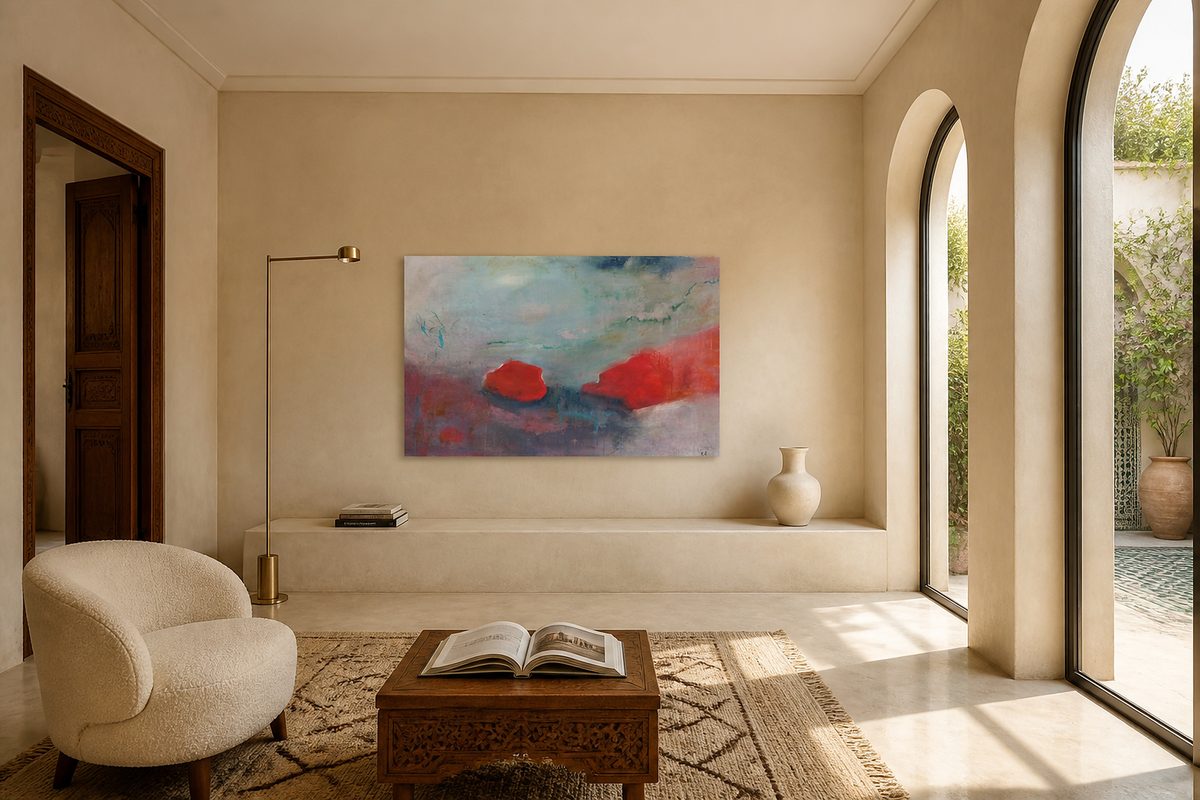
For a large living room wall, above a sofa or a console table, it is often recommended to choose a large-scale piece of art. As a general rule, the artwork—or a group of several pieces—should occupy about two-thirds to three-quarters of the width of the piece of furniture below it. This proportion helps create a pleasing visual balance.
In a small room or hallway, a smaller format is often more suitable. A series of small works can also create a beautiful effect, provided the arrangement remains cohesive. Diptychs, triptychs, or walls of frames are particularly effective for adding visual rhythm to a space.
The height at which a piece is hung also matters. The center of the artwork should generally be at eye level, which is about 145 to 155 cm above the floor. Of course, this rule can be adjusted depending on the room’s layout, ceiling height, or the presence of furniture.
Before making a purchase, feel free to test the layout using kraft paper, cardboard, or a template temporarily taped to the wall. This will give you an immediate sense of how it will look in the space.
Take your interior colors into account
The colors of the artwork should complement your decor without blending in completely. A piece of art can either extend the existing color palette or create a strong contrast to serve as a focal point. Both approaches are valid, depending on the desired result.
If your interior is already rich in color, it might be a good idea to choose a piece of art that incorporates some of the colors already present in the room, to ensure visual continuity. For example, a painting featuring shades of blue, terracotta, or beige can complement your textiles, throw pillows, rugs, or curtains.
Conversely, in a neutral or minimalist space, a colorful piece of art can energize the room and add character. A large painting in bright colors on a white wall often creates a striking effect. This works particularly well in contemporary interiors.
Natural light is also an important factor to consider. A very bright room generally works better with deep or dark colors, while a shadier space will benefit from lighter or brighter tones. Colors change throughout the day, which is why it’s always best to view the artwork or a reproduction of it in a setting similar to where it will eventually be displayed.
Match the style of the artwork to the decor
The style of the artwork should complement your interior design, but without striving for a rigidly perfect match. Beautiful decor is often built on a balance between harmony and surprise. A work of art can therefore complement your style or deliberately create a subtle contrast.
In a modern interior, abstract, geometric, or contemporary artworks fit right in. In a more traditional setting, landscapes, portraits, scenes of everyday life, or antique prints can add a touch of elegance. Eclectic interiors, on the other hand, allow for bolder combinations: a classic painting in an industrial loft, a contemporary piece in a historic home, or an expressive sculpture in a minimalist setting.
The key is to respect the spirit of the space while letting your personal taste shine through. A work of art shouldn’t just “match the sofa”; it should also say something about you. It’s this emotional dimension that makes all the difference between a simple wall decoration and a true artistic presence.
To narrow down your selection, it can be very helpful to seek advice from professionals. The L’Adresse des Maîtres® Art Gallery in Dreux is renowned for its ability to guide clients toward works that complement their interiors, reflect their tastes, and meet their decorative goals.
Consider the purpose of each room
The choice of artwork should also be suited to the room in which it will be displayed. You don’t select artwork in the same way for a living room, a bedroom, an office, or a dining room.
In the living room, a piece of art can become the centerpiece of the decor. It’s often the perfect place to go for a large-scale or bold piece that can define the space. In a dining room, you might opt for pieces that are warm, vibrant, or elegant, helping to create a welcoming atmosphere.
In a bedroom, it’s generally best to choose calming pieces with soft colors or harmonious compositions. In an office, a stimulating or inspiring piece can help foster concentration and creativity. For an entryway, choosing a striking piece immediately creates a polished first impression.
The nature of the artwork itself must also be suited to the venue’s constraints. Certain pieces that are fragile or sensitive to humidity, heat, or direct sunlight require special precautions. It is therefore important to inquire about the storage conditions before installation.
Choose based on your budget without compromising on quality
Budget is, of course, a key consideration. Fortunately, it’s possible to find high-quality artwork at various price points. The most important thing is to set a realistic budget from the start, and then look for the best piece possible within that range.
The price of a work of art depends on many factors: the artist’s reputation, the technique used, the dimensions, rarity, period, condition, and provenance. An original signed work will not cost the same as a limited edition, a lithograph, or a reproduction, even one of high quality.
When making your first purchase, it might be wise to start with an affordable piece that really speaks to you, rather than waiting a long time to buy a more expensive item. The key is to gradually build a vibrant and personal living space. Over time, your taste and preferences will naturally evolve.
Working with a reputable gallery also makes for a more secure buying experience. A well-established gallery like Galerie d’Art L’Adresse des Maîtres® in Dreux offers a reassuring environment, personalized advice, and a high-quality selection. This is a real advantage for making smart investments, regardless of your budget.
Listening to one's emotions: an essential criterion
Beyond all technical considerations, choosing a work of art remains a deeply personal decision. A work of art should evoke emotion, catch the eye, and strike a special chord. It is often this emotional connection that ensures you will enjoy living with it for many years to come.
Don’t base your choice solely on trends or potential value. A work of art becomes part of your daily life: you’ll see it every day, in different moods and at different times. It must therefore continue to speak to you over time.
If a piece immediately catches your eye, it’s likely that it’s already started to find its place in your home. The role of factors such as size, color, style, and budget is then to confirm that this favorite piece can actually fit into your home.
Why work with an art gallery?
Choosing a piece of art on your own can be intimidating, especially when you’re just starting out. An art gallery offers expert guidance, helps you avoid common mistakes, and provides access to carefully curated works. Professional guidance is particularly helpful when comparing different options, understanding techniques, evaluating sizes, and ensuring the piece complements your decor.
The L’Adresse des Maîtres® Art Gallery in Dreux has established itself as a leading destination for those looking to purchase art with confidence. Drawing on its expertise, the gallery helps each art lover find a piece that fits their personal style, whether they’re looking to enhance a contemporary living room, add character to a classic home, or start their first collection.
When you visit a gallery, you can also see the works in person, appreciate the materials, textures, nuances, and the tangible presence of the pieces—something no photograph can fully capture. This firsthand experience is often the deciding factor when making a choice.
Conclusion: Striking a balance between aesthetics, space, and personality
Choosing a work of art for your home requires balancing several factors: the room’s dimensions, existing colors, decorative style, the space’s function, and your budget. But beyond these practical considerations, the most important thing is to select a piece that moves you and gives meaning to your decor.
A well-chosen piece of art does more than just decorate a wall: it transforms the space, reflects your personality, and creates a unique atmosphere. By taking the time to look around your home, identify what you’re looking for, and seek guidance if needed, you’ll maximize your chances of making a choice that’s both lasting and inspiring.
For expert advice and a curated selection of high-quality art, the L’Adresse des Maîtres® Art Gallery in Dreux is a trusted partner. Whether you’re looking for a statement piece to enhance a living room or a more intimate work to personalize a living space, their expertise can help you find the perfect piece for your home.
Check out our gallery
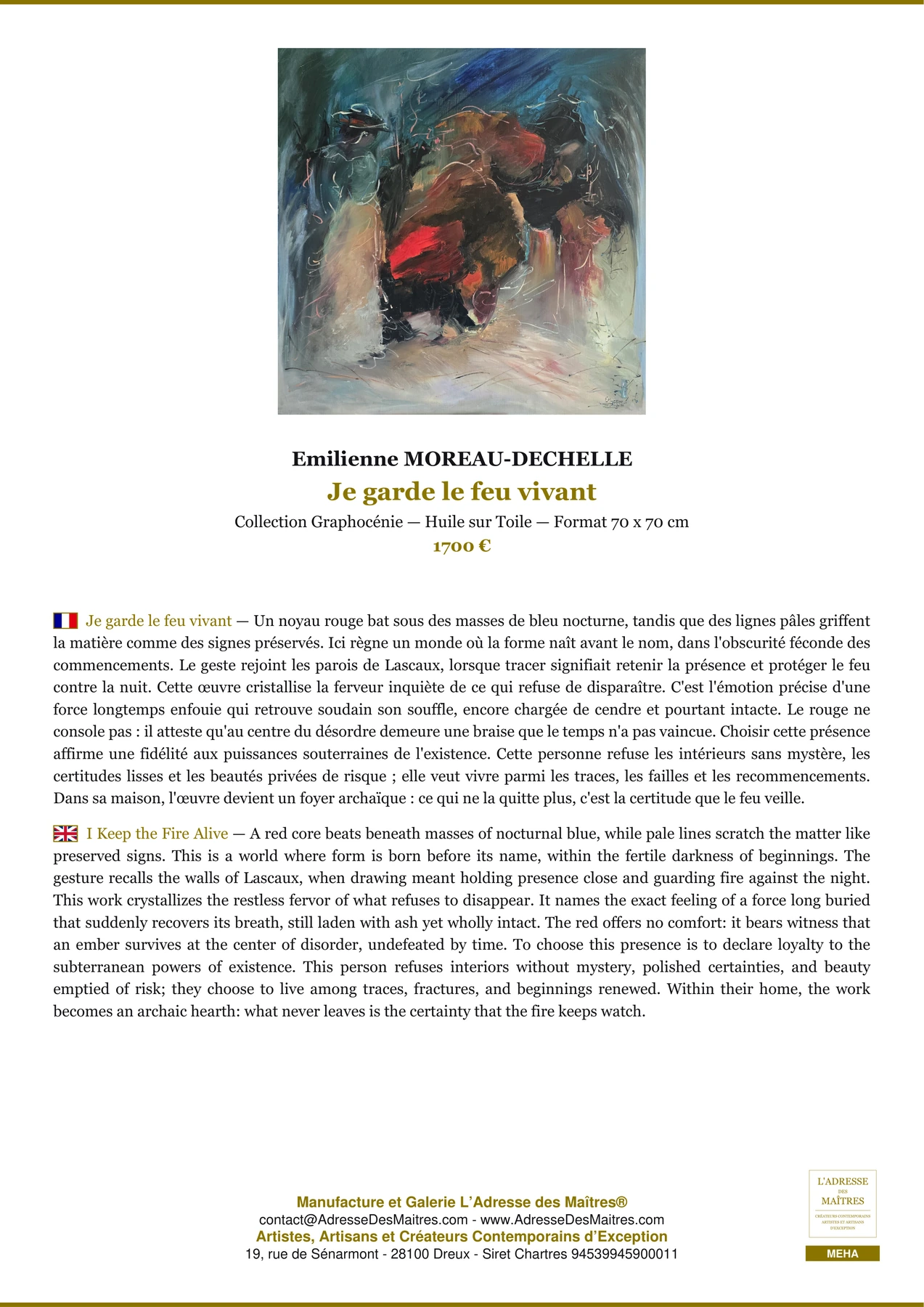
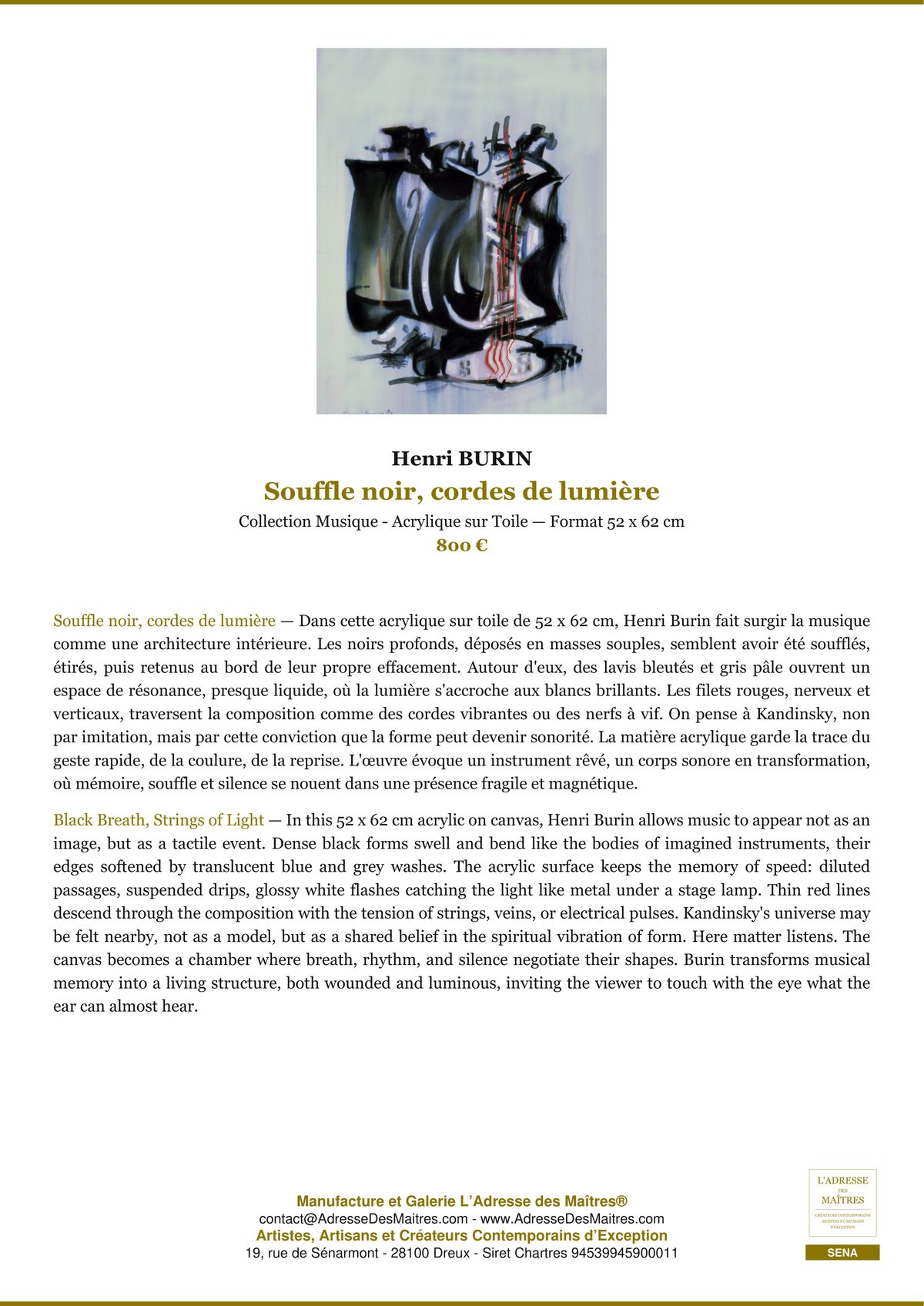
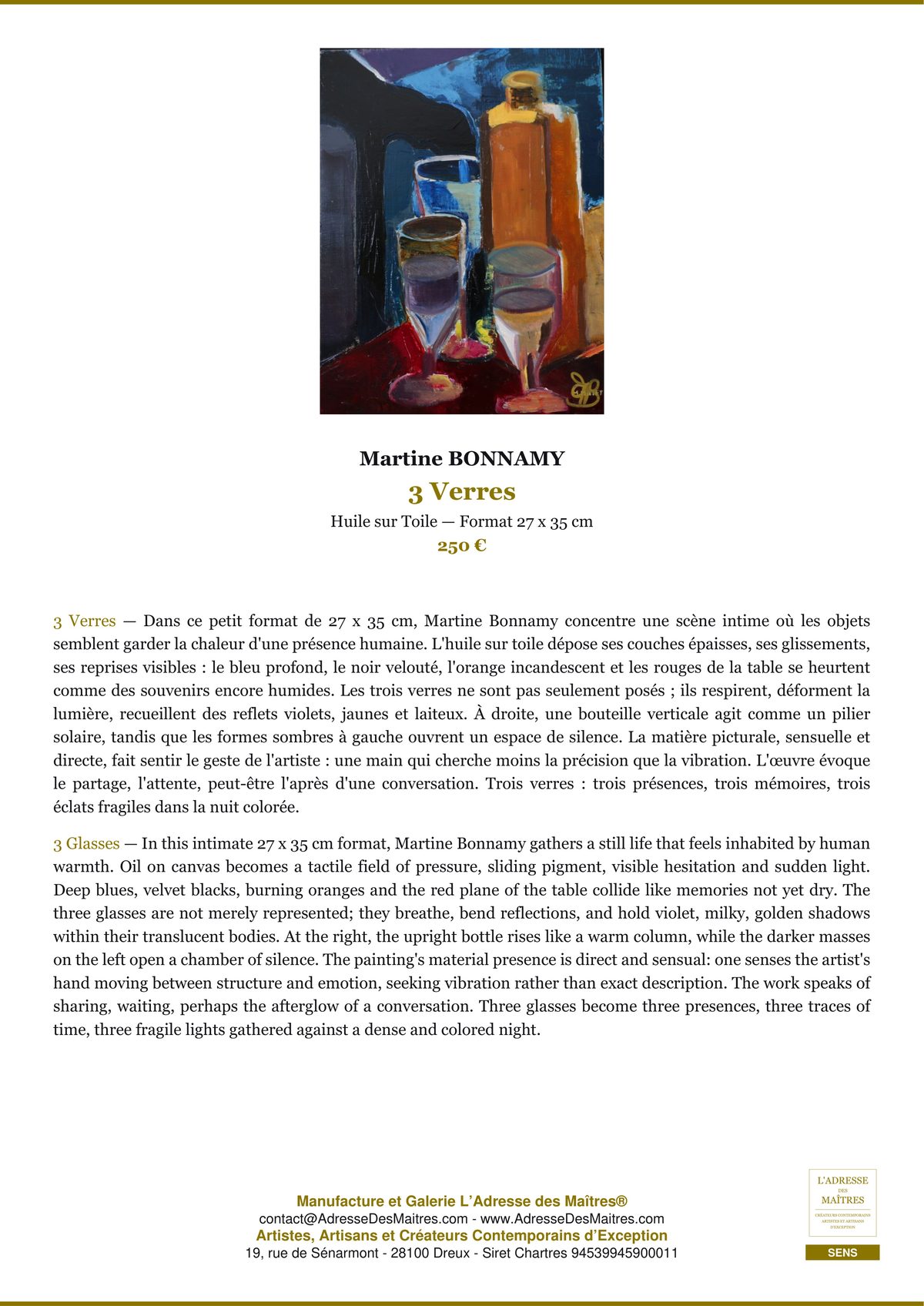
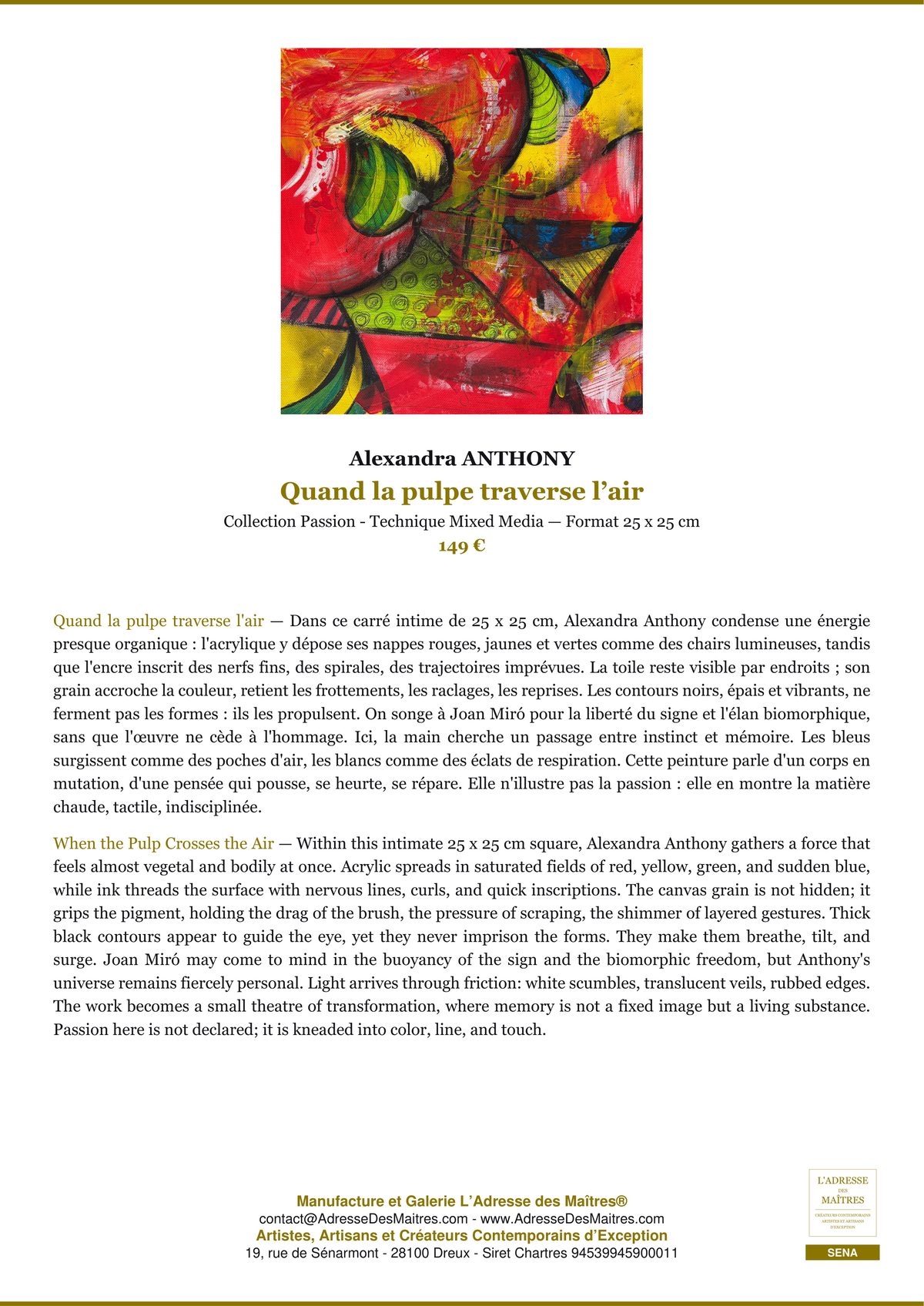
Explorez plus de 1633 œuvres dans notre galerie en ligne — Fiches Premium, Certificats d’Authenticité et Ambiances disponibles pour chaque œuvre.


Leave a comment