The Contemporary Art Market — How Does It Work?
↓ Share this articleUnderstanding the Contemporary Art Market
The contemporary art market is as fascinating as it is intimidating. Between galleries, auction houses, international art fairs, and digital platforms, it operates according to specific rules that every art lover would do well to understand beforebuying art. Unlike other markets, the value of a work of art does not depend solely on its visual quality: it is also shaped by the artist’s career, the distribution network, rarity, provenance, and the trust of collectors.
As a starting point, it is important to distinguish between two main markets: the primary market, where a work is sold for the first time—most often by an art gallery—and the secondary market, where it is resold, particularly at auction. This distinction is essential for understanding price formation and purchasing strategies.
Major Players in the Contemporary Art Market
The contemporary art market relies on several complementary stakeholders.
Galleries play a central role. They discover, support, exhibit, and champion artists. They build artists’ visibility, organize exhibitions, sometimes publish catalogs, participate in art fairs, and advise collectors. In the primary art market, galleries thus serve as a crucial bridge between creation and acquisition.
Auction houses are primarily active in the secondary market. They facilitate the resale of works that have already passed into private or institutional hands. They enjoy high media visibility, as auctions produce public results that influence perceptions of artists’ value.
Art fairs have become strategic events. They allow galleries to showcase their artists to an international audience of collectors, curators, art advisors, and professionals. A successful art fair can accelerate an artist’s recognition.
Collectors, finally, play a fundamental role in shaping the market. Some buy out of passion, others for the sake of building a legacy or as an investment, but all contribute to the circulation of artworks and the legitimization of artists. The role of private collectors is particularly important in contemporary art, where reputation is built gradually.
Primary Market and Secondary Market: Two Different Approaches
The primary market refers to the first sale of a work of art. The price is generally set by the art gallery, in consultation with the artist and based on several criteria: format, technique, the work’s place within the artist’s body of work, the coherence of the artist’s career, and overall market positioning. Buying on the primary market often provides the closest access to artists’ evolving work, along with valuable educational guidance.
The secondary market refers to the resale of works that have already been acquired. It involves auction houses, specialized dealers, or sometimes private resales. Here, the price is influenced by sales history, rarity, and demand. A high hammer price can boost an artist’s reputation, but auctions also remain a more speculative—and sometimes less stable—environment.
For an art lover who wants to make thoughtful art purchases, the primary market often offers more context, dialogue, and intellectual assurance. The secondary market, on the other hand, provides access to works that are already recognized, but requires greater vigilance regarding condition, authenticity, and price.
How is the price of a work of art determined?
The issue of price is central to the contemporary art market. Unlike a standardized product, a work of art is a unique object whose value is determined by a combination of factors.
An artist’s market value is one of the first indicators. It is influenced by past sales, gallery representation, participation in art fairs, acquisitions by collectors or institutions, and, more broadly, critical acclaim. Market value is not static; it evolves alongside the artist’s career.
An artist’s resume plays a decisive role. Solo and group exhibitions, collaborations, gallery representation, and consistent output: all these factors reassure the buyer. An artist who has been seriously supported over the long term inspires greater confidence than one with only occasional or isolated appearances.
Provenance is also essential. It refers to the work’s history of ownership. A clear provenance—from a reputable gallery or an identified collection—enhances the object’s credibility and its future liquidity on the secondary market.
The technique and format also influence the price. An oil on canvas, a mixed-media work, and a composite photograph are priced differently. The dimensions, the complexity of the work, and whether or not the piece is one-of-a-kind also matter.
The condition of the artwork and the documentation that accompanies it are concrete but crucial factors: certificate, invoice, date, title, dimensions, and medium.
Finally, there is a more subtle aspect: desirability. Some works better encapsulate an artist’s world—a striking motif, a distinctive technique, or a defining moment in their body of work—than others. This is often what distinguishes a decent work from a sought-after one.
The Key Role of Galleries in Discovery and Promotion
In the contemporary art market, a gallery does more than just sell. It provides context for the works, connects the public with artistic approaches, and helps cultivate an eye for art. For a first-time buyer, this is often the best starting point for understanding why a work is priced as it is and how it fits into an artist’s body of work.
As such, the L’Adresse des Maîtres® Art Gallery in Dreux plays a role in passing on this knowledge. For someone who wishes to buy art while taking the time to understand the techniques, artistic sensibilities, and criteria for selection, visiting an art gallery allows them to approach the purchase with greater discernment.
Examples of artists and techniques in the gallery
Observing the techniques showcased by a gallery helps provide a better understanding of the market. At the Galerie d’Art L’Adresse des Maîtres® in Dreux, several artists help illustrate the diversity of contemporary approaches.
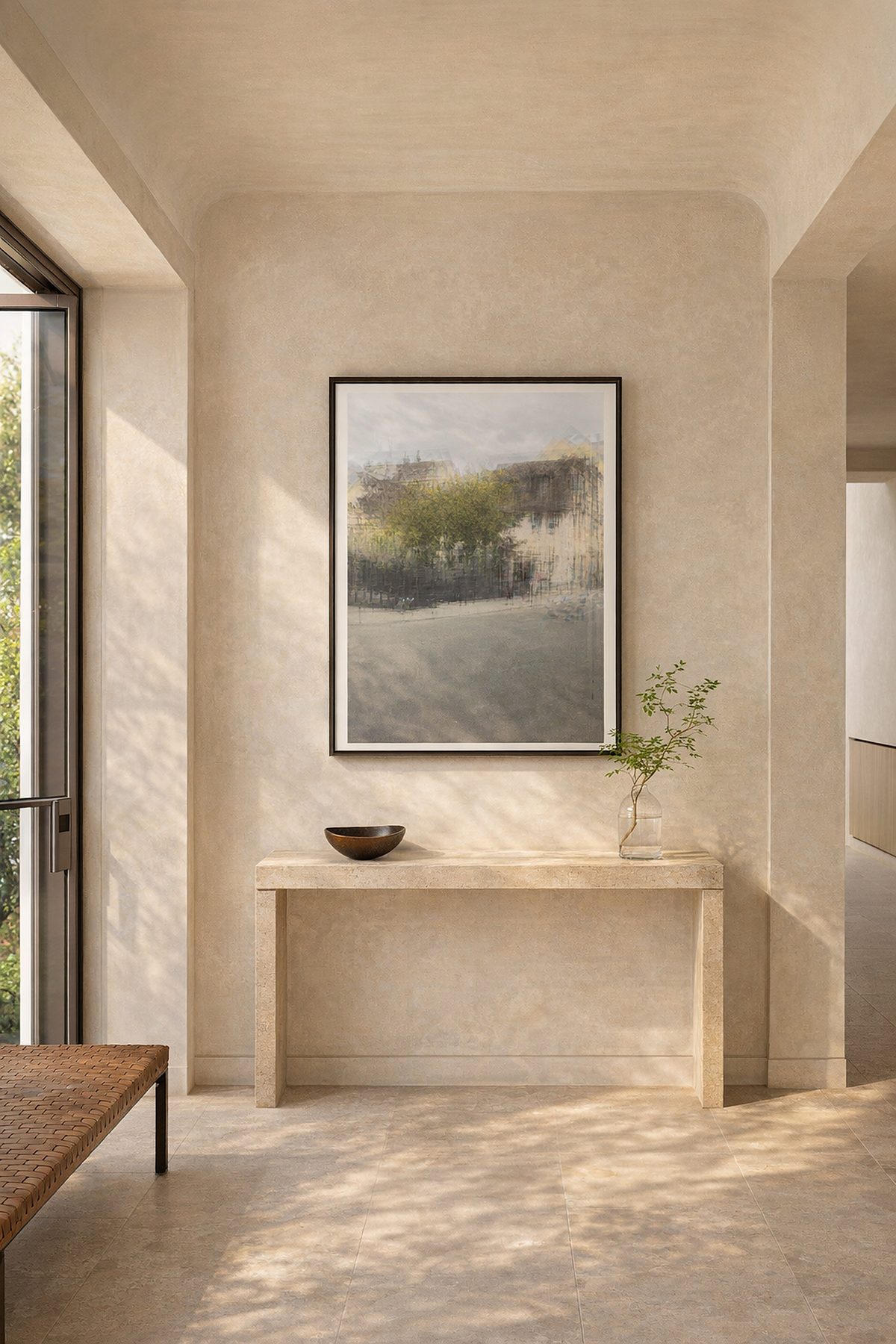
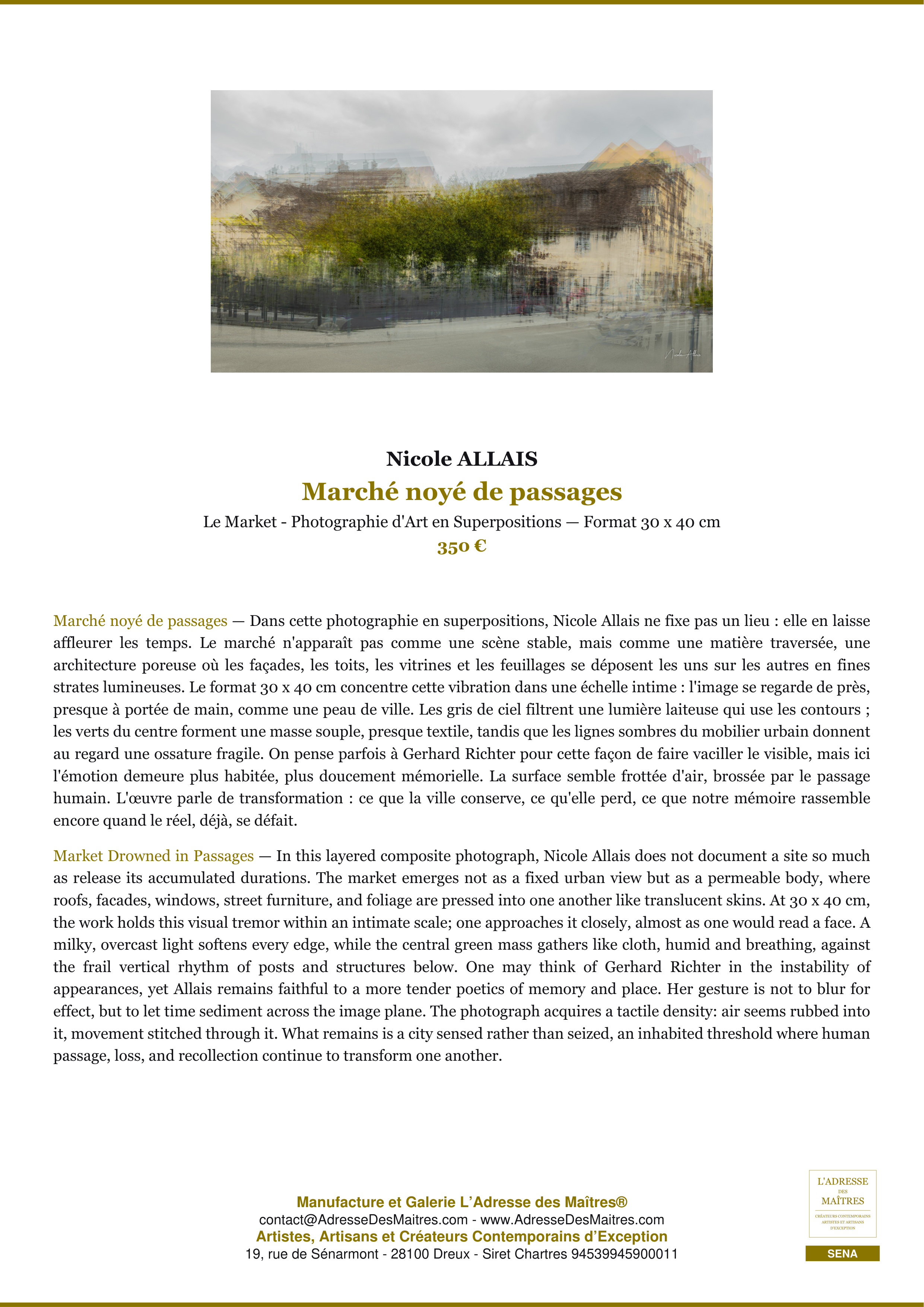
Nicole ALLAIS is featured there with one work in the Layered Image Composite Photography style, including the piece “Marché noyé de passages.” This technique introduces a layered construction of images to contemporary photography, enriching the visual experience and highlighting the market’s appeal for sophisticated and distinctive photographic practices.
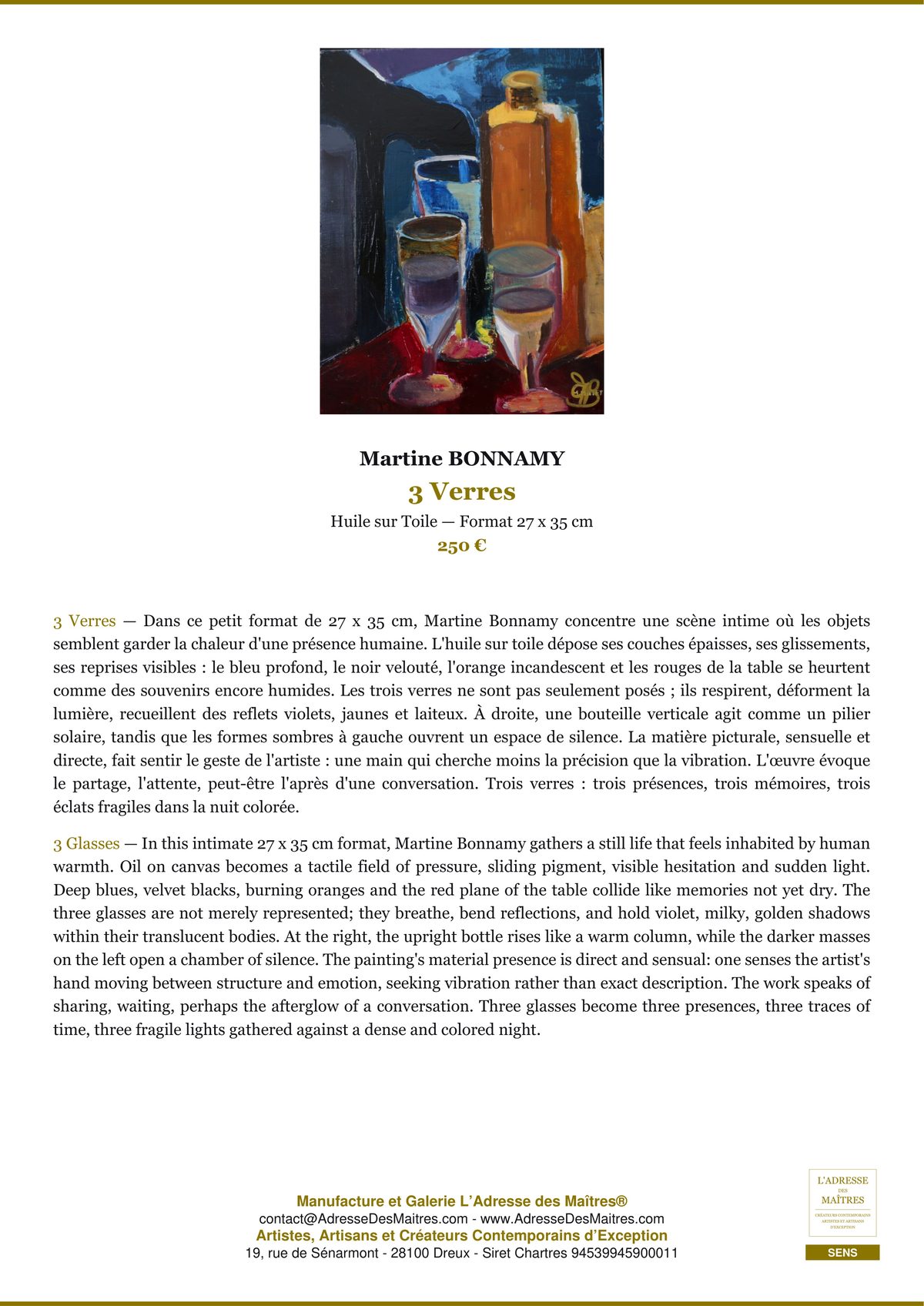
Martine BONNAMY has 63 mixed-media-on-canvas works on display, including “Herbes de lumière, mémoire noire.” Mixed media on canvas plays an important role in contemporary art, as it opens up a rich experimental field in terms of materials, texture, and composition. Such a strong presence of these works underscores the market’s interest in flexible and embodied artistic practices.
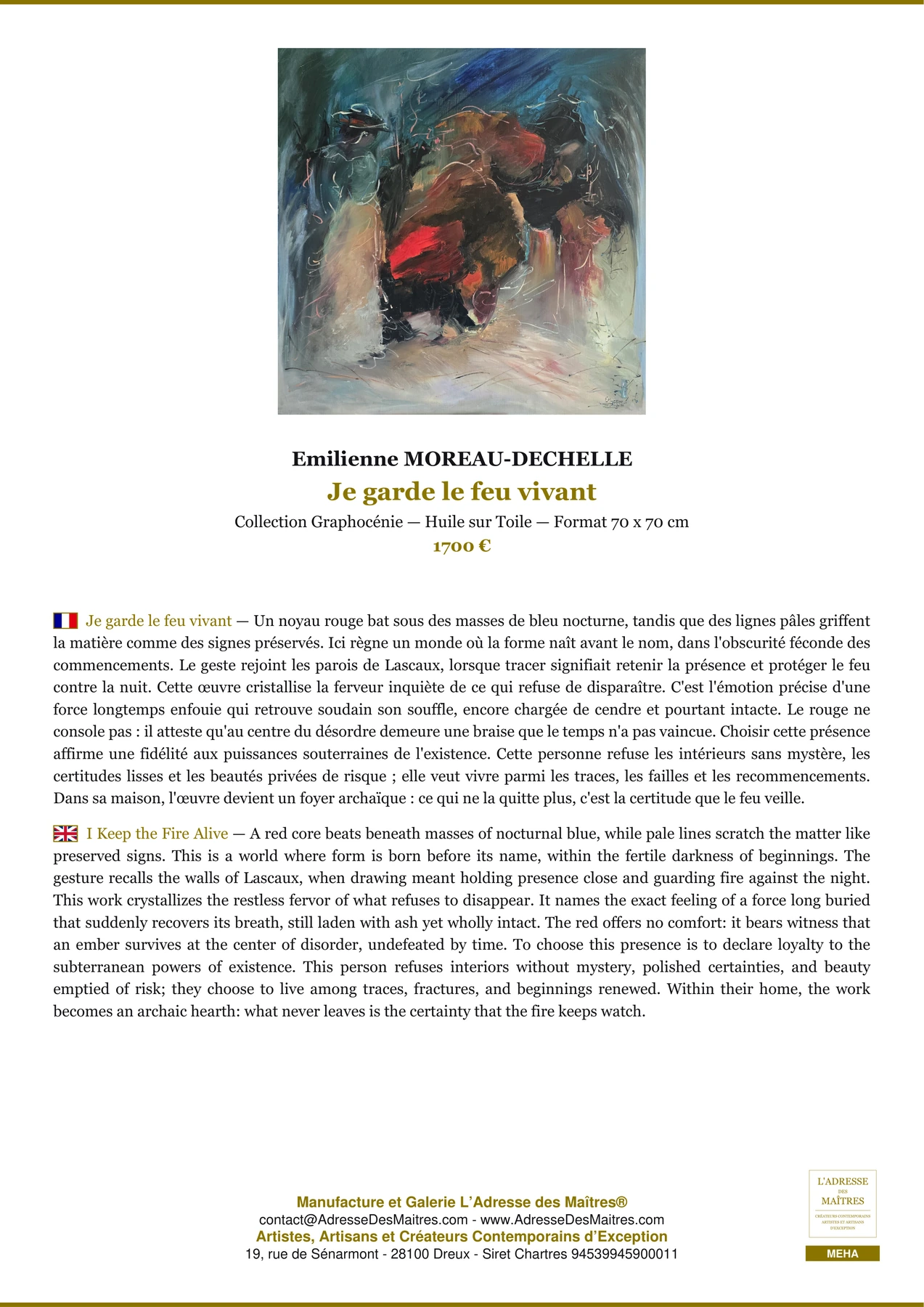
Emilienne MOREAU-DECHELLE is represented there by 41 oil paintings, including “Passage sous les braises.” Oil painting retains a special appeal in today’s market: it offers continuity, material depth, and immediate accessibility to many collectors. In the contemporary art scene, it serves as a reminder that historical techniques remain very much alive.
These examples show that an art gallery reflects not only artists’ names, but also the mediums, sensibilities, and perspectives that influence the decisionto buy art.
Major international art fairs: FIAC, Art Basel, Frieze
International art fairs play a major role in the visibility and hierarchy of the contemporary art market. Over the course of just a few days, they bring together an exceptional concentration of artworks, galleries, and collectors.
FIAC, long established as a must-attend event in Paris, has left its mark on the French and European art markets through its ability to bring together established galleries and ambitious contemporary projects. Its name remains synonymous with the idea of a major international showcase in Paris.
Art Basel is often considered one of the world’s leading art fairs. Its reach extends far beyond Switzerland thanks to its various editions and its symbolic influence. Being featured there often sends a strong signal for a gallery and the artists it represents.
Frieze, founded in London and expanded internationally, has established itself as another leading event. It combines the art market, contemporary art, and strong influence on trends. Participating in this type of fair can accelerate an artist’s recognition, attract new collectors, and strengthen their market value.
For buyers, art fairs are a useful way to compare prices, observe trends, identify emerging techniques, and understand how galleries showcase their artists. They also provide an opportunity to gauge the differences in positioning between local and international art scenes.
The Impact of the Internet and Online Platforms
The Internet has profoundly transformed the contemporary art market. Today, it is possible to discover artworks, compare artists, follow galleries, view auction results, and even buy art directly online.
Digital platforms have brought greater transparency and accessibility. A novice collector can explore what’s available without leaving home and familiarize themselves with techniques, formats, and price ranges. For galleries, digital technology has opened up new distribution channels, which are particularly useful for reaching a wider audience.
But this convenience also has its limitations. Viewing a work on a screen does not always replace the physical experience: texture, depth, the vibrancy of colors, and actual scale. Furthermore, the abundance of online offerings can blur the lines. It therefore becomes essential to rely on trusted sources, detailed work descriptions, clear provenance, and professional guidance.
Digital technology has not, therefore, eliminated the role of the art gallery; rather, it has strengthened that role as a guarantor of trust, curation, and education.
Tips for Your First Art Purchase at a Gallery
When making your first purchase, it’s advisable to start with a piece of art that you truly want to look at every day. Visual and emotional pleasure should be the primary consideration, above any speculative reasoning.
Learn more about the artist. Ask about the medium, the title, the dimensions, the number of works available, and the exhibition history. The more you understand the context, the more meaningful your purchase becomes.
Take your time when comparing works. Viewing several pieces by the same artist helps you understand the consistency in their work. A gallery can explain why one piece is more important or more representative than another.
Ask questions about the price. It’s not about negotiating every time, but about understanding the criteria: format, technique, age of the work, and its place within the artist’s body of work.
Check the documents. An itemized invoice and, if applicable, a certificate are essential. They verify the work’s provenance.
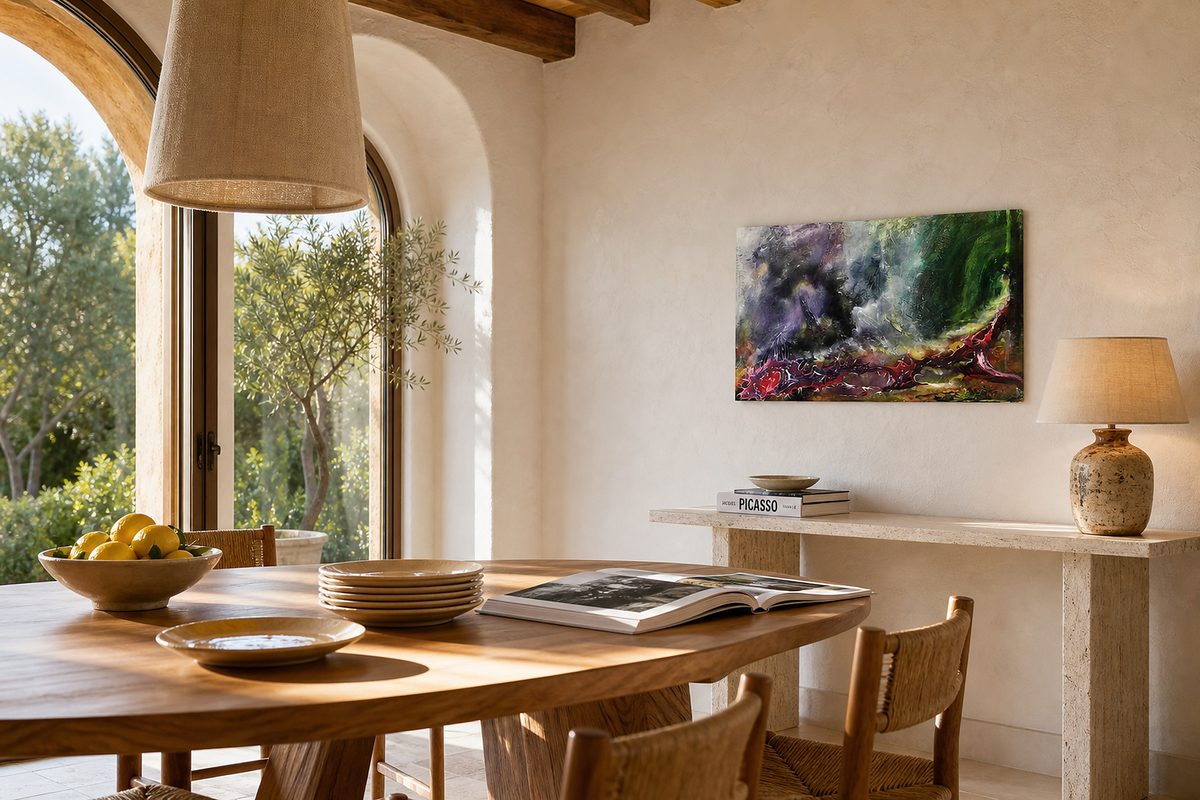
Think about where the piece will go. A work of art should interact with your surroundings, but without being reduced to a mere decorative object. The best purchase is often one that combines aesthetic appeal, personal connection, and alignment with your budget.
Trust the relationship with the gallery. A good art gallery provides guidance without pressure, explains, offers direction, and respects the future collector’s pace.
Conclusion
The contemporary art market is a complex ecosystem, but one that is accessible as long as you understand how it works. Galleries, auction houses, art fairs, and collectors all play a role in shaping the circulation and value of artworks. Between the primary and secondary markets, and considering factors such as market value, an artist’s resume, and provenance, a work’s price is determined by a combination of artistic, economic, and symbolic factors.
In this context, learning how to buy art often begins with visiting an art gallery, looking, asking questions, and comparing. Places like the Galerie d’Art L’Adresse des Maîtres® in Dreux play a key role in this discovery, offering exposure to a variety of techniques, such as Nicole ALLAIS’s Layered Image Composite Photography, Martine BONNAMY’s Mixed Media on Canvas, and Emilienne MOREAU-DECHELLE’s Oil Painting. For a first purchase, the best strategy is simple: combine curiosity, research, and your own personal perspective.
Check out our gallery
Would you like to experience these artistic movements in person? Visit the online gallery of L’Adresse des Maîtres®—more than 606 original works by contemporary artists.



Leave a comment