

Digital Art — Contemporary Art
↓ Share this articleDigital Art: A Major Technique in Contemporary Art
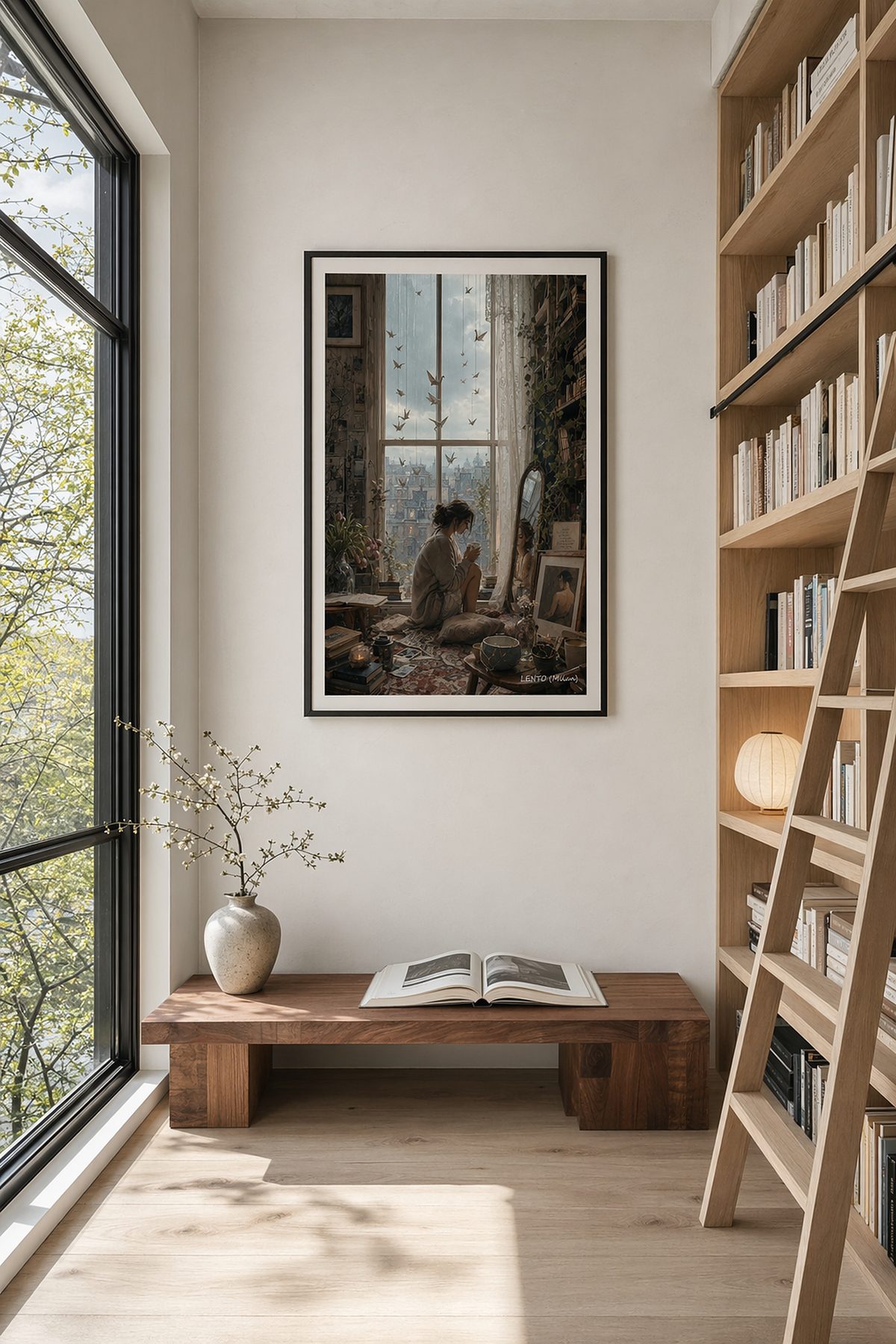
Digital art now plays a vital role in thecontemporary art scene. Long viewed as a technological curiosity, it is now recognized as an artistic language in its own right, capable of expressing the tensions, dreams, and transformations of our time. At the L’Adresse des Maîtres® Art Gallery in Dreux, this medium is represented by 42 works, notably by the Milan-based artist LENTO, whose work powerfully illustrates the vitality of this hybrid art form.
But what exactly is digital art? It is an artistic practice that uses digital tools as a means of creation, transformation, or dissemination. Artists may work with a computer, a graphics tablet, drawing software, digitally altered photographs, algorithms, or even high-definition printing processes. Digital technology is not merely a practical tool: it becomes a medium, a space for exploration, and sometimes even the subject of the artwork itself.
An Accessible Technique: Creating with Light, Pixels, and Software
To understand digital art, you have to imagine the screen as a contemporary canvas. Where a traditional painter uses pigments, brushes, and solvents, a digital artist works with pixels, layers, filters, virtual textures, and infinite color palettes. The artistic gesture still exists, but it has shifted: it can be drawn by hand on a tablet, generated by a program, composed from multiple images, or modified using sophisticated editing tools.
This technique allows for great freedom. The artist can revisit a form, layer elements, play with transparency, distort perspectives, and introduce lighting effects that are impossible to achieve through traditional means. Digital art also offers remarkable precision, while leaving room for chance, intuition, and experimentation. Contrary to popular belief, it is not a matter of “letting the machine do the work”: the computer does not replace artistic vision; rather, it complements and enhances it.
A digital artwork can take many forms: a file projected onto a screen, an animation, a print on art paper, a print on aluminum, Plexiglas, or canvas, an interactive installation, or even an immersive artwork. In an art gallery, digital art is often presented as limited-edition prints, produced to the highest quality standards to ensure rich colors, sharp details, and the longevity of the artwork.
The Origins of Digital Art: From the First Machines to Contemporary Aesthetics
The history of digital art began long before personal computers became widely available. As early as the 1950s and 1960s, some artists and engineers were exploring the possibilities of the computer as a tool for visual creation. The first computer-generated drawings appeared in scientific laboratories, at a time when access to technology was extremely limited. This pioneering research was already exploring the relationship between the artist, programming, and the image.
In the 1970s and 1980s, with the rise of computer graphics, digital art gained prominence. Artists experimented with geometric shapes, random combinations, computer-generated images, and early animations. This period also saw a reexamination of the traditional boundaries of art: What constitutes an original work? What role does the human hand play? Can an image produced by a computer convey the same emotional impact as a painting?
Starting in the 1990s, the Internet profoundly transformed artistic creation and dissemination. Images circulate, are copied, and are modified. Artists have embraced the languages of the web—bugs, interfaces, screens, and data streams. Digital art has thus become a critical mirror of our connected society. It engages in dialogue with photography, film, design, electronic music, video games, and immersive installations.
Digital Art in Contemporary Art: Between Visual Poetry and a Critique of the Digital World
Today, digital art has established itself as a central practice incontemporary art. It allows artists to explore highly topical themes: digital identity, memory, speed, artificial intelligence, surveillance, social media, the hybridization of humans and machines, and the fragility of images in a world saturated with representations. Digital artists observe our era from within their very tools.
What is striking about the best works of digital art is their ability to evoke emotion despite the apparent coldness of technology. Light, colors, textures, and compositions can create a very powerful sensory experience. Some works evoke mental landscapes, imaginary architectures, transformed bodies, or dreamlike urban visions. Others adopt a more minimalist, conceptual, or abstract aesthetic.
Digital art also appeals to contemporary collectors because it reflects the way we see the world today. We live surrounded by screens, fast-moving images, and augmented realities. Acquiring a digital work isn’t just about buying an image—it’s about engaging with our era, its tools, and its imaginations. In Dreux, this approach resonates particularly strongly in the dialogue between heritage, modernity, and cultural openness.
LENTO: A Milanese Presence at the Gallery
Among the artists represented at the L’Adresse des Maîtres® Art Gallery in Dreux, LENTO, a Milan-based artist, occupies a unique place in the field of digital art. Milan, a city of design, fashion, architecture, and innovation, naturally fosters an appreciation for contemporary imagery and hybrid aesthetics. In this context, LENTO creates work in which technology is not merely a process: it becomes a way of conceiving composition, light, and visual rhythm.
LENTO’s creations are part of this contemporary tradition that views the digital image as a realm of freedom. His work can be seen as a meeting of precision and vibrancy, of visual construction and inner sensation. The viewer’s gaze is invited to wander through spaces where colors, lines, and effects of depth interact with great intensity. Here, digital art appears not as a break with art history, but as its natural extension.
With 42 works created using this technique, the gallery offers a significant collection that allows visitors to explore the nuances of digital art. The sheer number of works on display goes beyond mere curiosity, enabling viewers to appreciate the richness of the medium: chromatic variations, textural effects, abstract and figurative compositions, the interplay of transparency, and the tension between surface and depth. For art lovers and collectors alike, this collection serves as a true gateway to contemporary digital art.
Why Collect Digital Art Today?
Collecting digital art means recognizing that major artistic developments always go hand in hand with technological transformations. Oil painting, printmaking, photography, and video all sparked debate when they first emerged. Today, digital art is following the same path: initially questioned, sometimes contested, it is gradually establishing itself as an indispensable medium.
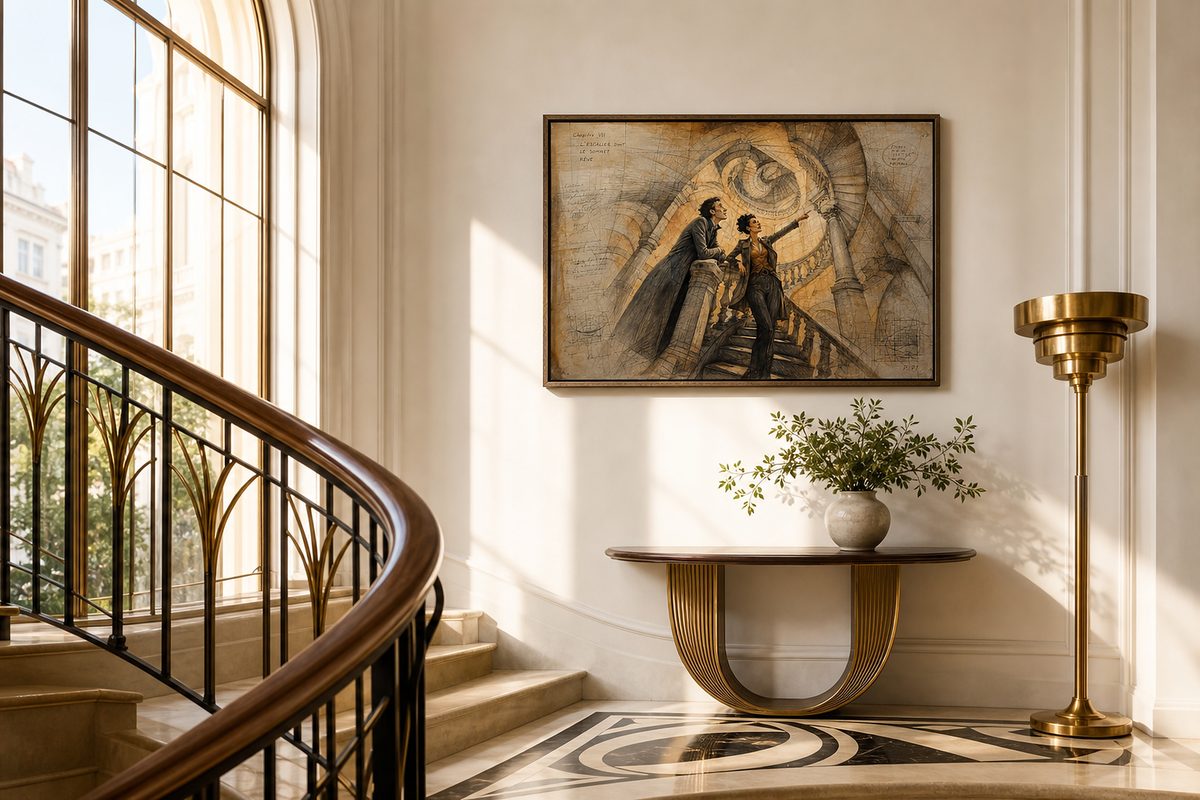
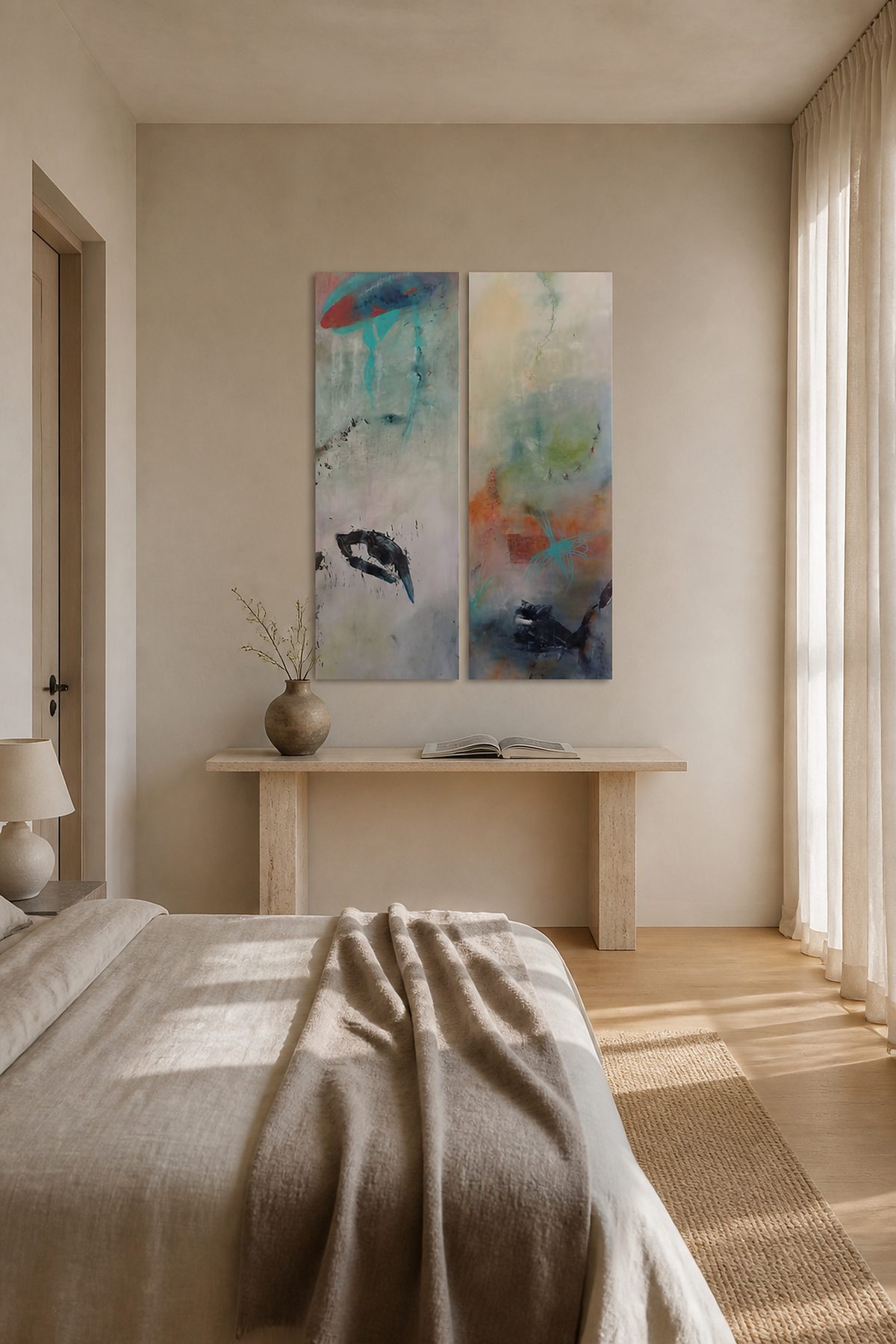
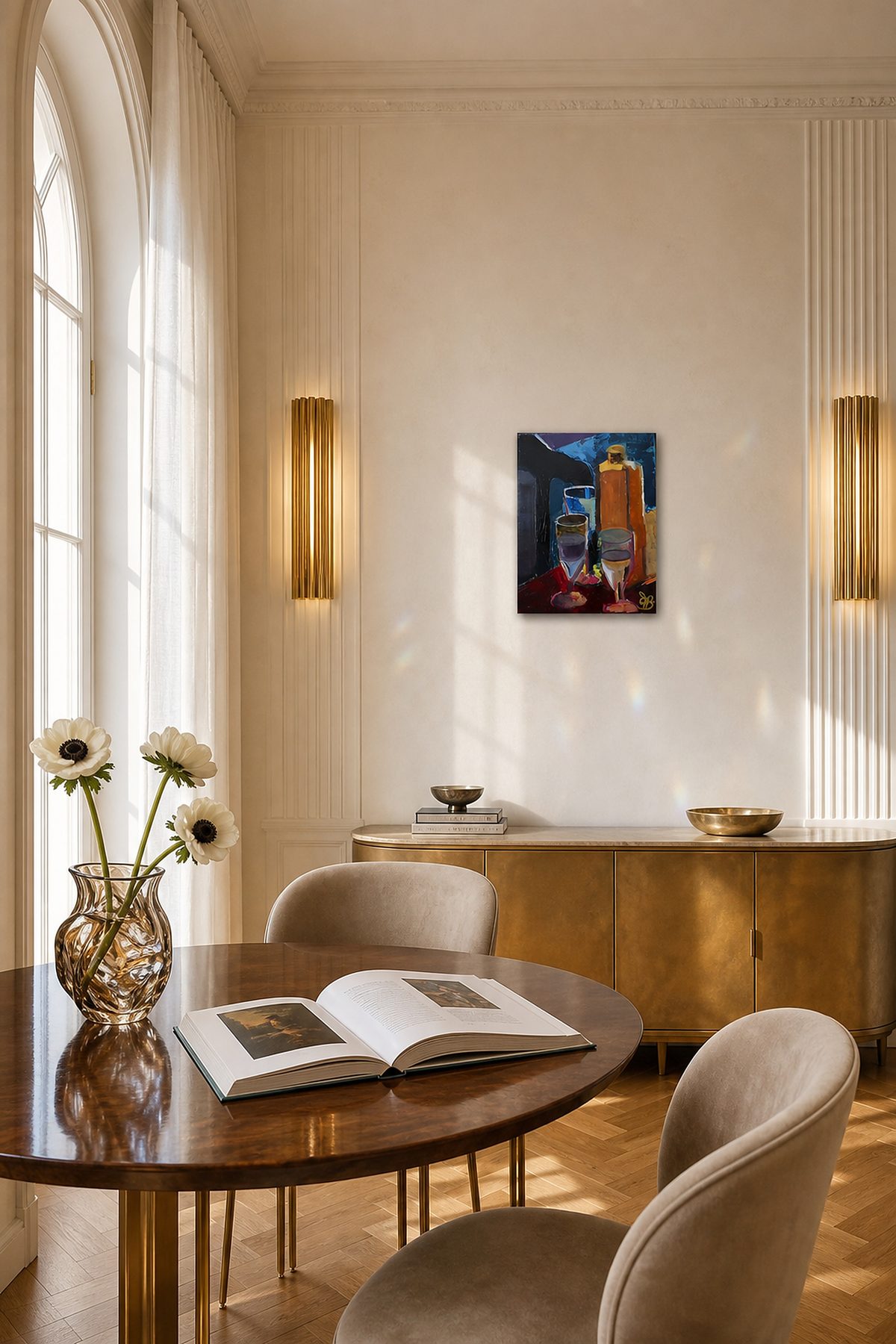
A piece of digital art can bring a strong, modern, and luminous visual presence to an interior. It blends particularly well into contemporary spaces, but can also create an interesting contrast with a more classic decor. Its strength lies in its ability to capture the viewer’s attention, to offer a fresh take on the visual experience, and to present an aesthetic in tune with the 21st century.
For collectors, it is important to consider the quality of the print, the limited edition size, the signature, the certificate of authenticity, and the consistency of the artist’s body of work. An art gallery plays an essential role here: it guides the viewer’s eye, provides context for the works, and ensures a rigorous selection process.
Discover Digital Art in Dreux
Digital art is no longer an art form of the future—it is very much an art form of the present. It reflects our relationship with images, technology, and the worlds we invent. By bringing together 42 works created using this technique and showcasing the work of LENTO, the L’Adresse des Maîtres® Art Gallery in Dreux offers visitors an immersive experience in one of the most dynamic forms of contemporary art.
Whether you’re simply curious, a lover of digital images, a seasoned collector, or just a visitor passing through Dreux, discovering digital art in a gallery allows you to step beyond the everyday screen and encounter the artwork in its physical form, its light, and its scale. That’s where digital art reveals its full power: when it breaks away from the flow of ordinary images to become a presence, an object of contemplation, and a sensory experience.
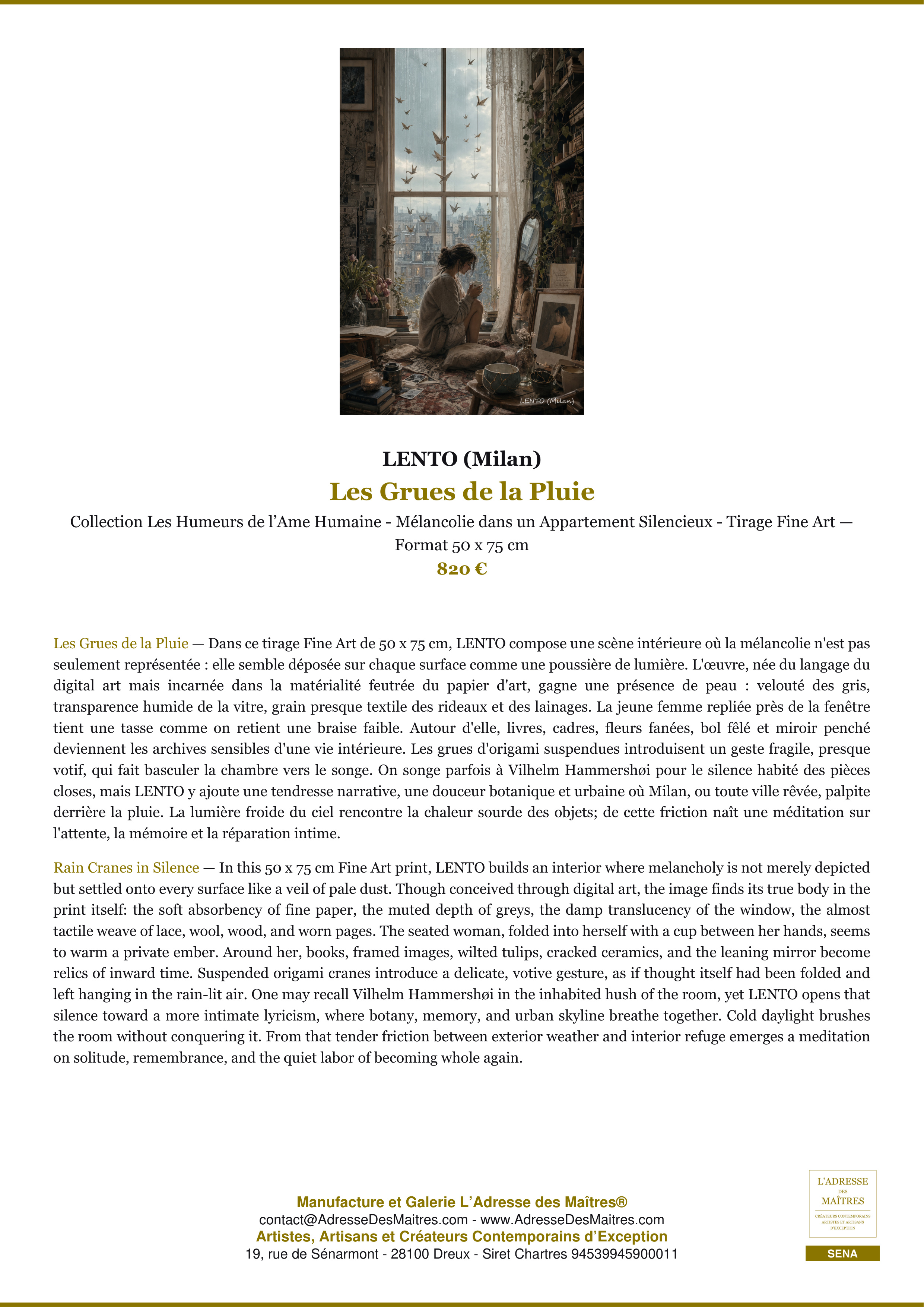
Discover 42 digital art pieces in our online gallery.
Leave a comment