Giving a Work of Art — The Guide to an Unforgettable Gift
↓ Share this articleHow to Choose and Give a Work of Art: The SEO Guide to a Lasting Gift
Giving a work of art is a gesture that is at once personal, elegant, and memorable. Unlike a standard gift, a painting, drawing, sculpture, or framed piece stands the test of time: it enhances a home, evokes an emotion, and can become a source of sentimental attachment. To make the right choice, several factors must be considered: the recipient’s taste, the format, the technique, the budget, the occasion, as well as the presentation, packaging, and documentation provided with the artwork. In Dreux, the L’Adresse des Maîtres® Art Gallery is an excellent place to discover artworks and receive guidance in making your selection.
Understanding the profile of the person to whom the artwork is being given
Before choosing a work of art, the first question to ask is simple: Who is it intended for? An established collector will not have the same expectations as a novice who is receiving their first piece. Take a look at their home: do they prefer a sober, contemporary, classic, colorful, minimalist, or warm atmosphere? Are the walls mostly white, dark, heavily decorated, or very uncluttered? A successful piece of art should be able to find its place without imposing excessive constraints.
Personal taste matters more than the supposed value of the artwork. Some people are drawn to landscapes, others to abstract art, portraits, floral arrangements, urban scenes, or materials. If you’re unsure, choose a piece that evokes an accessible emotion, with a color palette that complements a variety of interiors. When it comes to giving art as a gift, playing it safe doesn’t mean being mundane—it means striking a balance between originality and harmony.
Choose the right size based on the available space
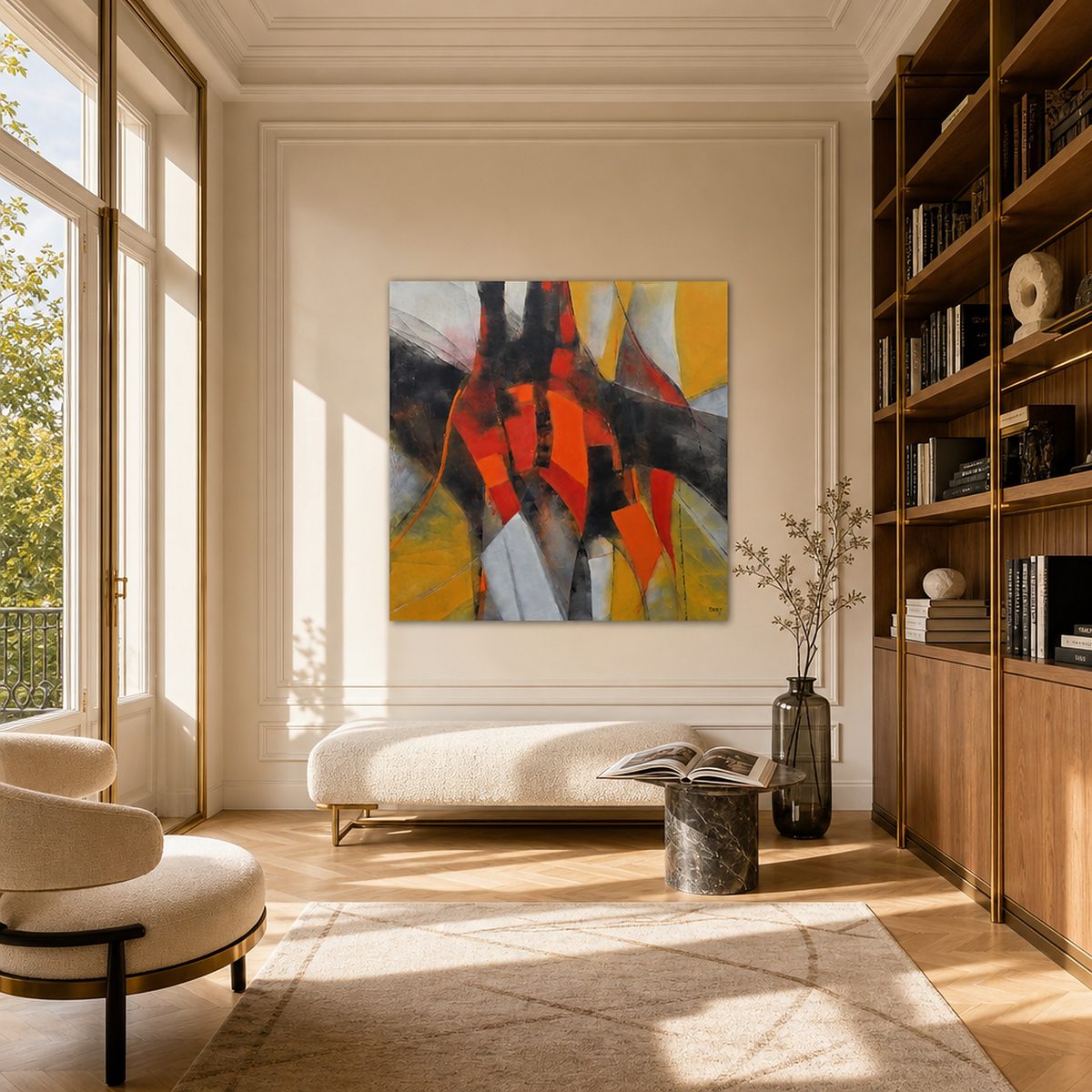
The format is key. A large artwork makes an immediate impact, but it requires a suitable wall and a space that can accommodate it. It’s particularly well-suited for a home, a spacious living room, an entryway, a conference room, or an executive office. Conversely, a small piece is easier to give as a gift, transport, and hang. It can be placed on a piece of furniture, incorporated into a gallery wall, or displayed in a bedroom, a home office, or a hallway.
For a birthday, a medium or small size is often recommended, as it gives the recipient the freedom to hang it easily. For a wedding, a larger piece can symbolize a shared, lasting, and decorative gift. For a business, it’s helpful to consider where the artwork will be displayed: the lobby, waiting room, office, meeting space, or high-traffic area. The more the artwork is intended to be seen by a wide audience, the more important it is to choose a composition that is striking, clear, and consistent with the organization’s image.
Which medium should you choose: oil painting, acrylics, drawing, or mixed media?
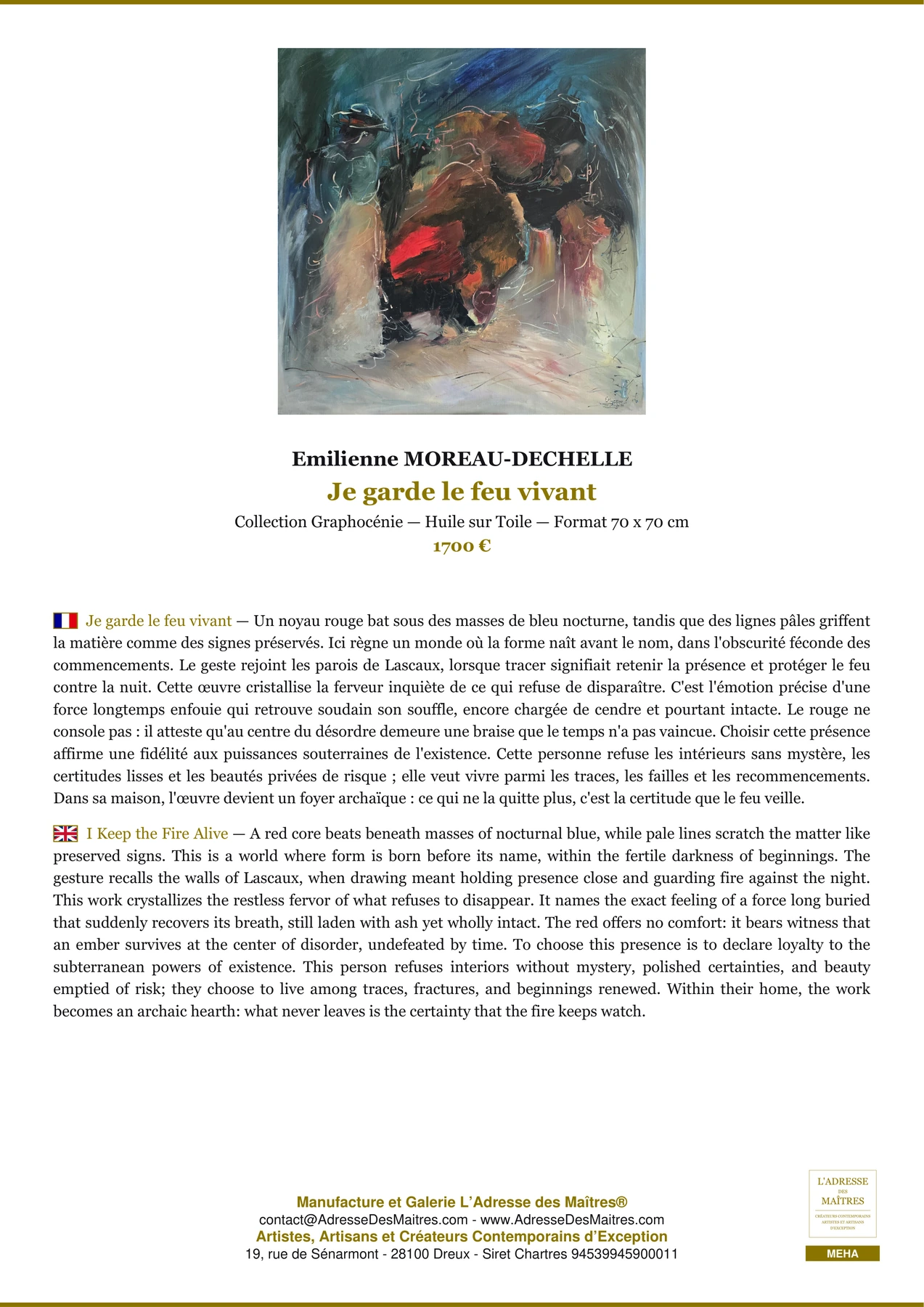
Technique influences the visual appearance, texture, depth, and perception of a work of art. Oil painting is often appreciated for its rich texture, nuanced tones, and depth. It evokes a strong artistic tradition and is well-suited as a formal gift—for a wedding, a significant anniversary, a retirement, or a prestigious token of appreciation. In the Galerie L’Adresse des Maîtres® catalog, notable artists include Martine BONNAMY, with 48 oil paintings, and Emilienne MOREAU-DECHELLE, with 41 oil paintings. These examples clearly highlight a technique featured in the gallery’s collection, without limiting the selection to a single style.
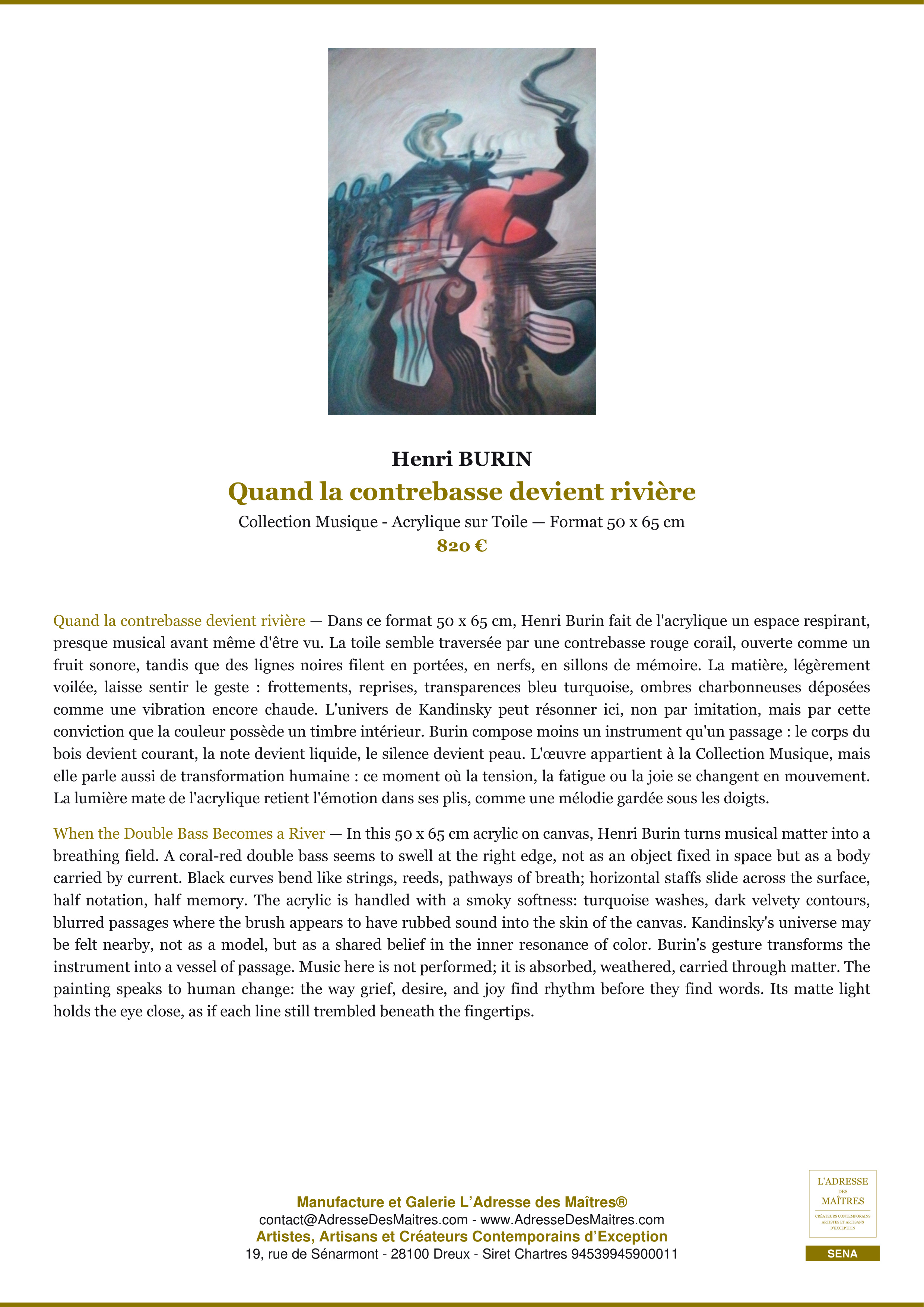
Acrylic, on the other hand, is often associated with a vivid, contemporary, and dynamic style. It can be suitable for a modern interior, a corporate gift, or someone drawn to bold colors and contemporary compositions. The Galerie L’Adresse des Maîtres® also features Henri BURIN, with 40 works in acrylic painting. Here again, this serves as a useful guide for narrowing down a search based on technique, without making assumptions about the artist’s theme or intent.
Drawings, watercolors, prints, or mixed-media works can also make excellent gifts. They are sometimes more budget-friendly, easier to frame, and well-suited as a first art purchase. A work on paper, beautifully framed with a high-quality mat, can make for a sophisticated and very personal gift.
How much should you budget for buying a work of art?
The budget depends on several factors: size, technique, the artist’s reputation, rarity, medium, framing, and provenance. For a birthday gift, you can set a reasonable budget by opting for a small original piece or a work on paper. The goal is to choose a piece that is heartfelt and suited to the person, rather than simply seeking out a spectacular work.
For a wedding, the budget can be shared among several close friends and family members. In this case, a medium- or large-sized artwork becomes a viable option. It can accompany the couple in their first home together or become a focal point of their interior decor. It’s advisable to choose a piece that isn’t too polarizing, unless the couple’s tastes are well known. Soft colors, balanced compositions, or highly decorative pieces are often well-received.
For a corporate gift, the budget should be appropriate for the occasion: a thank-you gift for a client, an end-of-year gift, a grand opening, an employee’s departure, an internal award, or the redesign of a workspace. A work of art can enhance a business relationship without coming across as an impersonal promotional item. However, it’s important to check internal policies, any applicable tax rules, and the company’s gift-giving policy. An art gallery can help suggest a selection tailored to the budget and context.
Giving a Work of Art as a Birthday Gift
A birthday is the perfect occasion to give a personal, carefully chosen piece of art. For a loved one, you can opt for a more personal selection: a color they love, a theme that resonates with them, or a mood that evokes a memory. If the person is new to art, a small framed piece is often an excellent choice. It avoids the intimidating effect of a large canvas and is easy to display.
For a milestone birthday—such as a 30th, 40th, 50th, or 60th—a piece of art can become a symbol of transition. It’s a good idea to include a handwritten card explaining your choice: why this piece, why this color, why this emotion. This thoughtful touch transforms the gift into a lasting keepsake.
Giving a Work of Art as a Wedding Gift
For a wedding, a work of art makes for a shared gift that stands the test of time. It can be chosen by a group of guests or by close friends and family who want to give a more original gift than a traditional wedding registry item. The choice should take into account the couple’s future home decor, but also the necessary neutrality: the artwork must appeal to both of them. Medium-sized pieces, bright compositions, and works that are easy to incorporate into a space are often the best choices.
A good idea is to present the artwork along with a personal message and, if possible, an explanation from the gallery about the artist, the technique, and the piece’s characteristics. This adds emotional and cultural value to the gift. It’s not just a painting—it’s a thoughtful choice to mark a new chapter in life.
Giving a Work of Art as a Gift in a Professional or Corporate Setting
In the professional world, a work of art can help you stand out. It can be used to thank a partner, celebrate a collaboration, mark the opening of new offices, or honor someone’s departure. The choice should be elegant, unobtrusive, and appropriate for a work environment. Abstract works, graphic compositions, or minimalist pieces are often appreciated because they allow for a wide range of interpretations.
For a business, it’s also important to consider the image it projects. A piece of art displayed in a lobby or meeting room contributes to the venue’s visual identity. It can convey creativity, high standards, cultural openness, or a strong local connection. Partnering with a nearby gallery, such as the Galerie d’Art L’Adresse des Maîtres® in Dreux, can also help promote local art.
Packaging, Protection, and Presentation: Enhancing the Gift-Giving Experience
Packaging a work of art should never be improvised. A canvas, a framed artwork, or a work on paper must be protected from impact, moisture, friction, and temperature fluctuations. For in-person delivery, opt for simple, elegant, and secure packaging: protective paper, reinforced corners, bubble wrap if necessary, a sturdy cardboard box, or a suitable cover. The goal is to preserve the artwork while creating a pleasant moment of discovery.
The presentation is just as important as the packaging. If the artwork is framed, make sure the frame matches its style and the recipient’s likely decor. A frame that’s too bold can limit the options for hanging it. A simple frame—made of natural wood, black, white, or understated metal—is often the most versatile option. For an unframed piece, it may be helpful to include framing advice or a recommendation for the size.
Certificate, invoice, and other information to be submitted with the artwork
When giving a work of art as a gift, documentation is essential. A certificate of authenticity, when provided, identifies the work, its artist, its medium, its dimensions, and sometimes other useful information. The receipt or proof of purchase should be kept, even if you choose not to include it directly in the gift package. For a corporate gift, these documents are particularly important for accounting, inventory, or insurance purposes.
It is also recommended to include a description card or label listing the artist’s name, the title of the work (if available), the medium, and care instructions. Avoid displaying the artwork in direct sunlight, near a source of moisture, or in direct heat. These simple tips will extend the life of the gift and show that the choice was made with care.
Why work with an art gallery?
Choosing a piece of art on your own can be difficult, especially when you want to give it as a gift. A gallery offers a professional perspective, a curated selection, and reliable information about the available works. The L’Adresse des Maîtres® Art Gallery in Dreux is therefore a great place to discover artists, compare techniques, and choose a piece suited to a specific occasion. The presence of featured artists such as Martine BONNAMY, Emilienne MOREAU-DECHELLE, and Henri BURIN allows you to narrow your search by technique—such as oil painting or acrylic painting—while staying true to the recipient’s tastes.
Giving a work of art is, ultimately, giving a sense of presence. To make this gift a success, you need to combine emotion, the right format, a reasonable budget, high-quality presentation, and reliable information. Whether it’s for a birthday, a wedding, or a professional occasion, a carefully chosen work of art has the power to remain in the recipient’s memory for a long time.
Check out our gallery
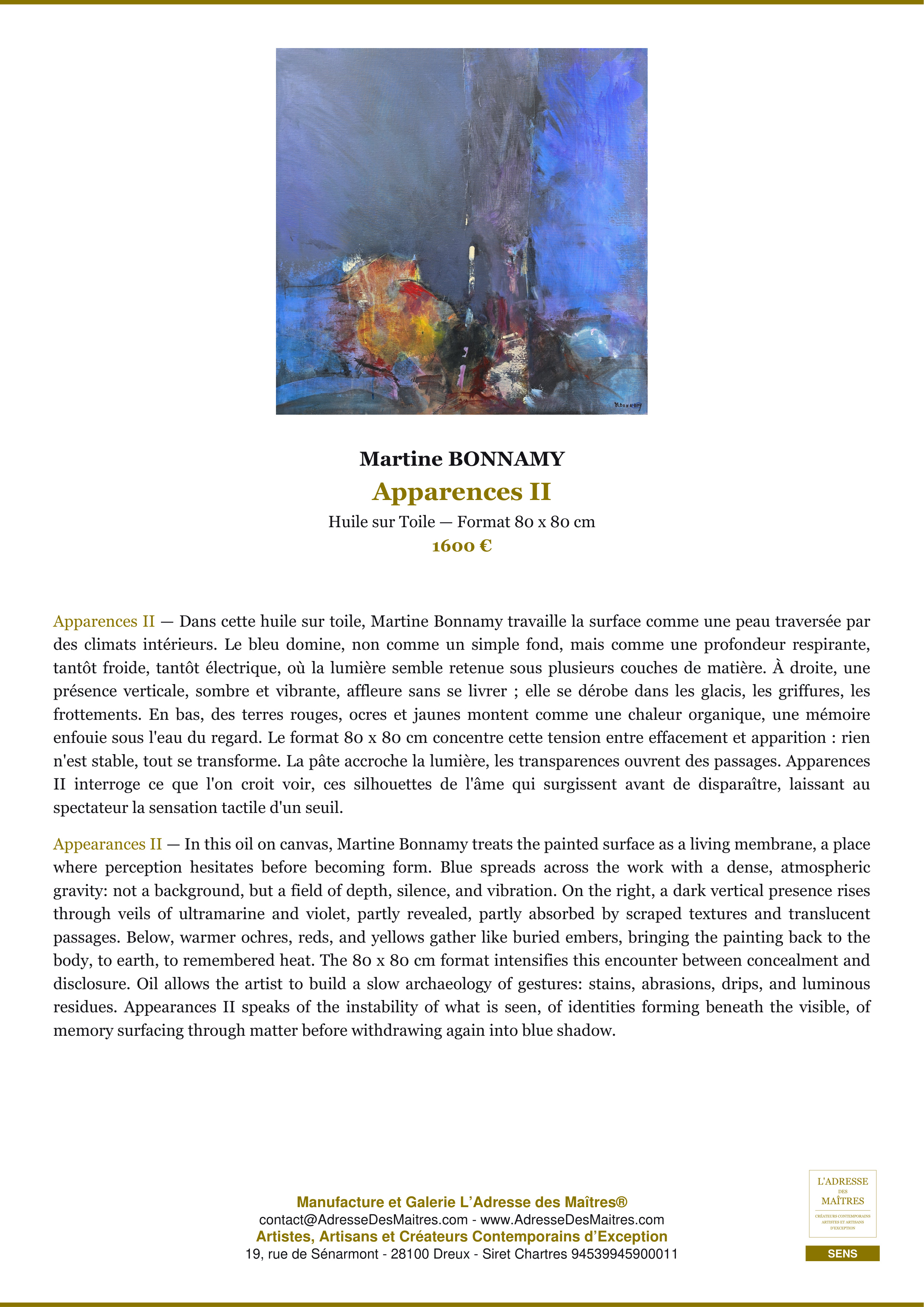
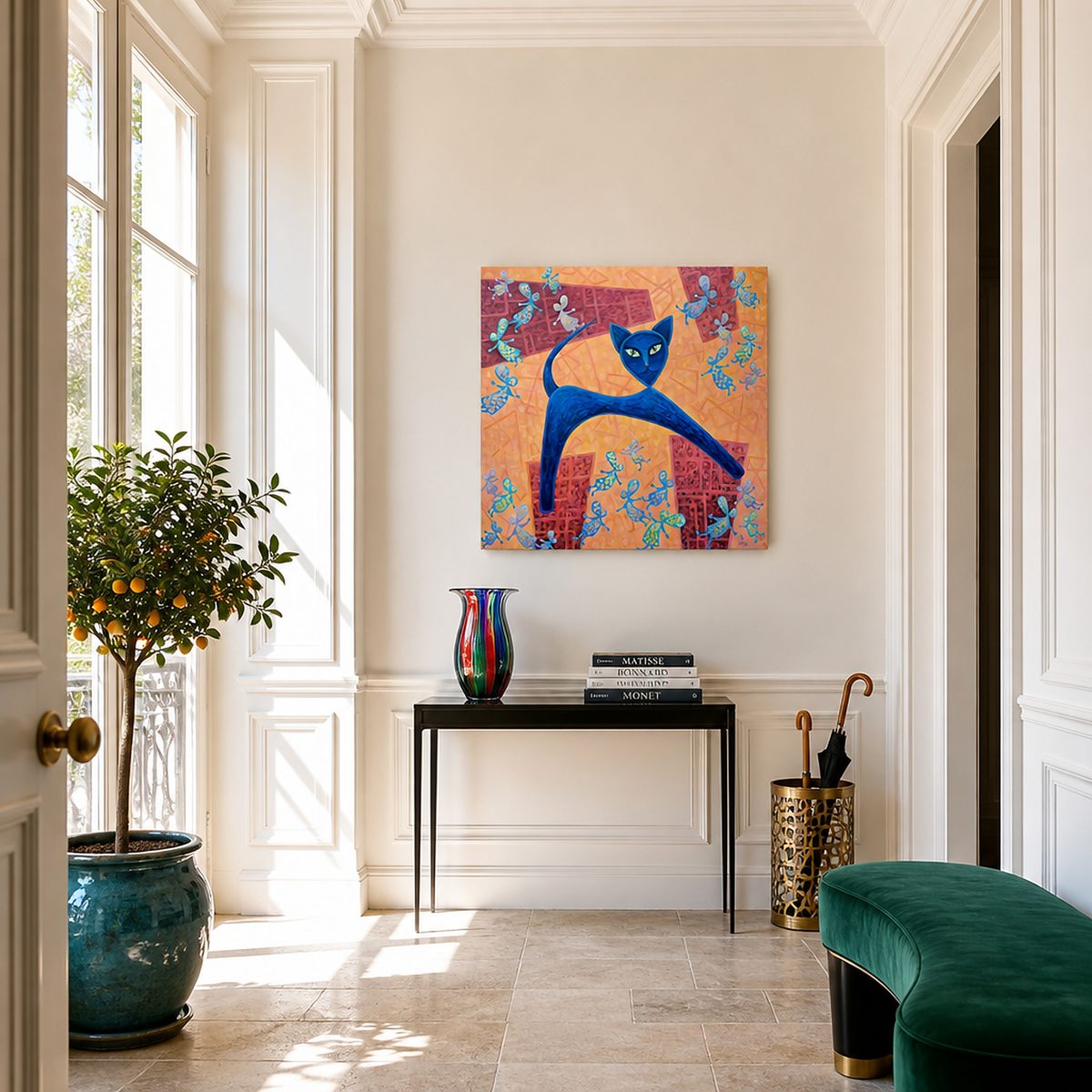
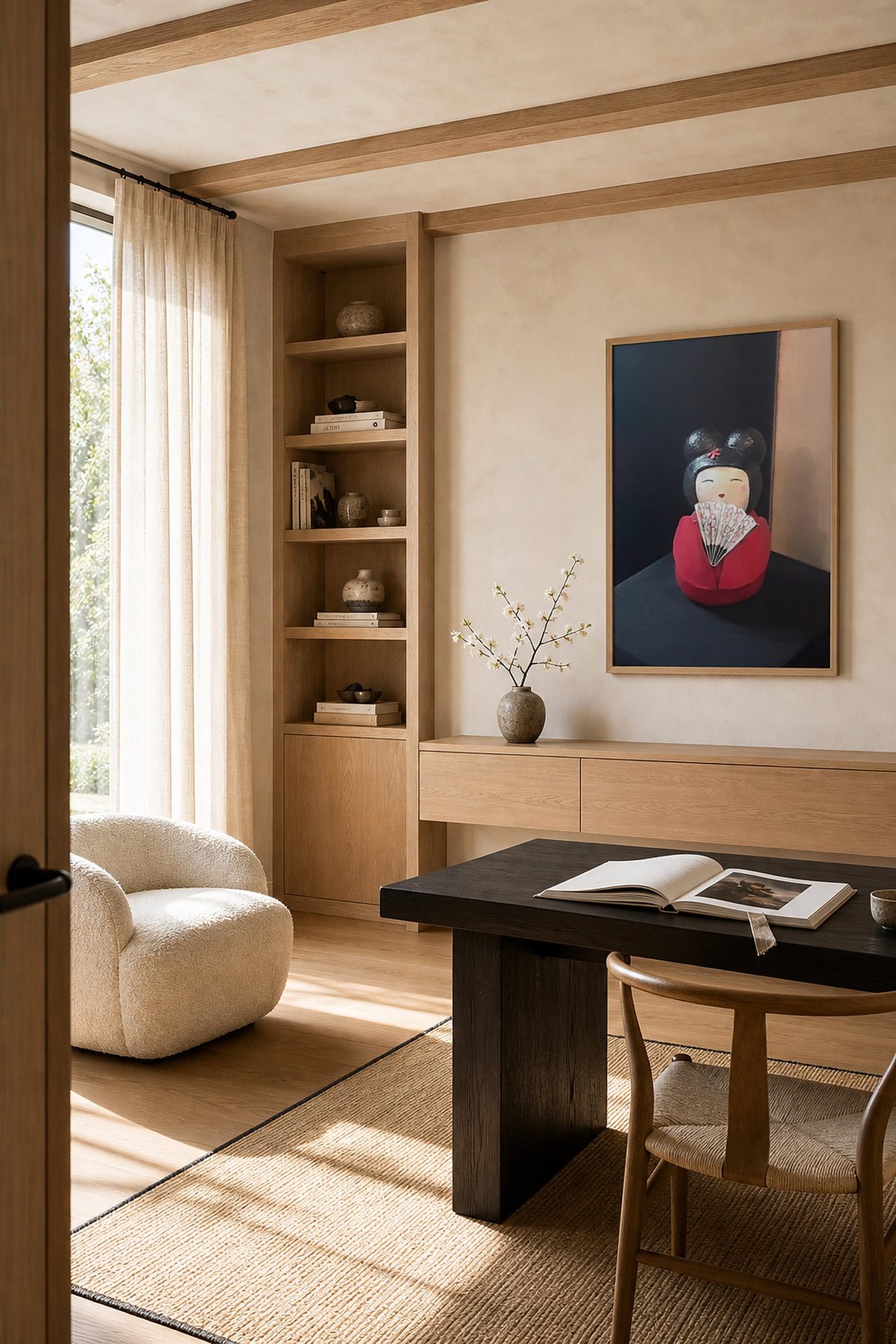
Explorez plus de 1633 œuvres dans notre galerie en ligne — Fiches Premium, Certificats d’Authenticité et Ambiances disponibles pour chaque œuvre.

Leave a comment